How to Unclog a Commode Fast: DIY Guide for Homeowners
A practical, urgent guide to diagnose and fix a clogged commode quickly. Learn safe DIY fixes, when to call a pro, and prevention tips for homeowners.


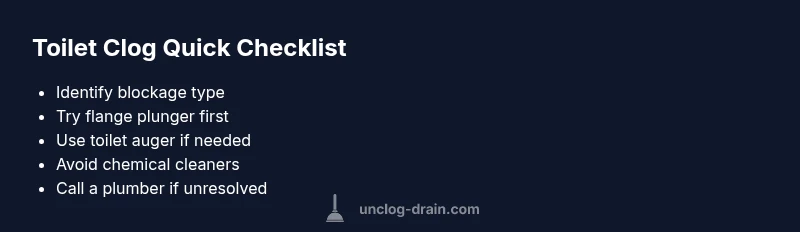
Most often, a clogged commode is caused by a partial blockage from toilet paper buildup or a small object. Quick fix: use a flange plunger to create a tight seal and plunge with steady pressure for 15-20 seconds. If that doesn’t clear it, try a toilet auger. Avoid chemical cleaners that can damage plumbing.
Why a clogged commode happens
Most clogged commodes arise from everyday use. According to Unclog Drain, most clogs are caused by partial blockages formed by toilet paper buildup or small objects flushed inadvertently. In households with kids, toys or wipes can create stubborn jams. A clogged commode often starts as a slow drain, then suddenly stops draining, leaving the bowl high with water. Understanding common failure points helps you choose the right fix. The key is to identify whether the problem is near the bowl or further down the line. If you haven’t flushed in a while, or if you hear gurgling from the drain, you’re likely dealing with a larger blockage. By recognizing the pattern, you can decide quickly between plunging, using an auger, or calling a professional. This section uses practical cues to guide safe DIY repairs and reduce the risk of overflow.
Safety first: prep and precautions
Before you reach for tools, safety matters. Put on rubber gloves and eye protection. Remove any items from the area and keep children and pets away. If the bowl is rising toward overflow, turn off the supply valve behind the toilet and, if necessary, drain some water from the tank to reduce the risk of spillover. Never mix commercial chemical drain cleaners with household bleach or other cleaners; toxic reactions can occur and damage porcelain. Use non-chemical methods first whenever possible. By following these precautions, you protect yourself, your plumbing, and your home.
Quick fixes you can try before calling a pro
Start with the simplest option: a flange plunger. Position the plunger to seal around the drain and push with steady, even force for about 15-20 seconds without lifting. If the water still drains slowly, repeat a few cycles, then pause to assess. A second approach is a toilet auger, which can reach deeper into the trap and clear minor blockages without harming the porcelain. Insert gently, crank the handle, and pull back any debris. Do not use chemical cleaners; they can corrode seals and damage the septic system. If you notice water rising again despite repeated attempts, stop and consider professional help.
Using tools: plungers, toilet augers, and snake basics
Plungers come in two types: standard and flange. For toilets, the flange plunger creates a better seal and yields higher success. When using an auger or toilet snake, feed the head slowly, rotate to break up the clog, and gently push until you feel it clear. Retrieve any debris safely and flush a test to confirm flow. If the blockage remains, move to more advanced options or repeat with a new tool. Remember to sanitize after finishing.
Diagnostic thoughts: symptoms you might notice
Effective troubleshooting depends on listening to the signals your system sends. If water rises but does not go down, you likely have a partial blockage in the bowl or trap. If it drains slowly after each flush, the clog is probably further down, closer to the vent or sewer line. A strong sewer smell or gurgling noises indicate a more serious issue with the main line or vent stack. In any case, progress may require multiple attempts with the right tool, patience, and careful testing.
Step-by-step fixes for the most common cause
Step 1: Prepare and protect. Step 2: Use a flange plunger with a proper seal. Step 3: If the clog persists, use a toilet auger with a steady, gentle crank. Step 4: Test by flushing a small amount of water and observe. Step 5: If water still backs up, stop and call a plumber. Step 6: Clean up and sanitize the area. The most common cause is a partial blockage from tissue or minor objects, addressed by plunging and/or augering. Tip: keep a dedicated toilet plunger and practice safe, slow, deliberate movements.
Prevention and maintenance tips
To prevent future clogs, adopt a simple routine: flush only toilet-safe items, use an appropriate amount of toilet paper, and avoid flushing wipes, paper towels, or cosmetics down the toilet. Regularly inspect the trap and vent for buildup and consider a yearly maintenance check for the sewer line if you notice recurring backups. Use vent-safe practices in the bathroom to maintain proper airflow and drainage. A small investment in prevention saves larger headaches later.
Quick checklist before you call a plumber
If the toilet remains blocked after attempting the above steps, prepare a quick checklist for a plumber: note the symptoms (e.g., water rising, slow draining), any noises or smells, and the tools you’ve already tried. Record when the issue started and whether it affects other drains in the house. This helps the plumber assess whether the problem is local to the toilet or part of a larger sewer issue and ensures faster service.
Steps
Estimated time: 45-75 minutes
- 1
Turn off water and prep
Locate the shut-off valve behind the toilet and turn it clockwise until snug. Remove water from the bowl using a sponge or towel to prevent overflow. Gather gloves, a bucket, and towels, and clear the area.
Tip: Keep towels handy and work slowly to minimize splashing. - 2
Seal with the flange plunger
Place the flange plunger directly over the drain, ensuring a tight seal. Press down firmly and pump 6-8 times, keeping the seal intact. Lift to check if the water moves; repeat as needed.
Tip: A good seal makes the plunge more effective and reduces splashing. - 3
Try the toilet auger
Insert the auger head into the drain and rotate the handle to extend into the trap. Crank slowly, then pull back debris. Retract, inspect, and try a gentle flush.
Tip: Do not force the auger; stop if you meet solid resistance. - 4
Test the flush
Add a small amount of water and flush to observe flow. If water still backs up, reattempt with fresh pressure or switch to the auger again.
Tip: Run a quick test after each fix to avoid overexposure to the sewer line. - 5
Know when to call a pro
If multiple attempts fail or you notice gurgling in vents or sewage odors, stop and contact a licensed plumber. Persistent backups can indicate a main line issue.
Tip: Professional help avoids damage to the toilet and plumbing. - 6
Clean up and sanitize
After the issue is resolved, disinfect the area, wash tools, and wash your hands thoroughly. Return the water supply valve to normal and monitor for any repeated backups.
Tip: Sanitize surfaces to prevent the spread of germs.
Diagnosis: Toilet won't drain or keeps overflowing after flushing
Possible Causes
- highPartial blockage from toilet paper or small objects
- mediumDownstream sewer line or vent issues causing slow drainage
- lowToilet trap or drain line blocked by buildup
Fixes
- easyUse flange plunger to relieve the partial blockage
- easyUse toilet auger to clear deeper blockage
- hardShut off water and remove the toilet if necessary or call a plumber for sewer/vent issues
Common Questions
What is the most common cause of a clogged commode?
The most common cause is a partial blockage from toilet paper or small objects. Increasingly, wipes and non-flushable items contribute to slow drainage that worsens over time. Start with mechanical fixes like plunging or an auger before considering more invasive steps.
Most clogs start with partial blockages from toilet paper or small items. Use a plunger first, then an auger if needed, before calling a plumber.
Are chemical drain cleaners safe for clogged commodes?
Chemical drain cleaners are not recommended for toilets. They can damage porcelain, seals, and septic systems, and they may not reach the clog. Mechanical methods like plungers or augers are safer and often more effective.
Chemical cleaners can damage your toilet and septic system; use plungers or augers first.
What tools do I need to unclog a toilet?
Essential tools include a flange plunger, a toilet auger, gloves, and a bucket for cleanup. Have towels handy for spills and a flashlight to inspect the drain area if needed. Avoid improvised makeshift tools that could scratch the porcelain.
Grab a flange plunger, a toilet auger, gloves, and a bucket for cleanup.
When should I call a plumber for a clogged commode?
Call a plumber if repeated DIY attempts fail, the water backs up repeatedly, you smell sewer gas, or you notice gurgling in other drains. These can indicate a main line or vent issue requiring professional assessment.
Call a plumber if DIY fixes don’t work or you hear sewer gurgling.
Can a toilet auger damage the porcelain?
If used with care, a toilet auger is safe and often effective. Forcing it or using the wrong tool can scratch the porcelain. Follow the manufacturer’s instructions and stop if you encounter resistance.
A properly used toilet auger is safe; don’t force it if it resists.
Key Points
- Identify the blockage type quickly (partial vs deep).
- Start with flange plunger, then toilet auger if needed.
- Avoid chemical cleaners to protect porcelain and septic systems.
- Shut off water and call a pro for persistent backups.
- Prevent future clogs with mindful flushing and maintenance.