Can You Unclog a Toilet with Drano? Safe DIY Alternatives
Explore whether Drano can fix a toilet clog, why it’s risky, and safer DIY methods using plungers, augers, and non-chemical options. Practical guidance from Unclog Drain for homeowners and DIY enthusiasts.


Short answer: Do not rely on Drano to fix a toilet clog. Most toilets should be cleared with a plunger or toilet auger, and chemical cleaners can damage porcelain, seals, and septic systems. If Drano has already been poured, avoid flushing repeatedly and ventilate the area; seek safer DIY methods or professional help as needed.
Can You Unclog a Toilet with Drano? A Quick Reality Check
Toilet clogs can be stubborn, and it’s natural to consider chemical cleaners like Drano as a quick fix. However, the quick reality is that Drano is not a reliable solution for toilets. Toilets are a different system than kitchen or bathroom drains, and chemical cleaners can damage porcelain, gaskets, and seals, potentially harming the septic system. In many cases, chemical cleaners create more waste or leave waste partially blocked. According to Unclog Drain, mechanical methods—primarily a properly used plunger or a dedicated toilet auger—are safer and more effective for most clogs. This guide provides practical, non-chemical approaches to resolve clogs while protecting your fixtures and your family’s health.
How Drano Works and Why it’s Risky in Toilets
Drano and similar products rely on caustic chemicals (like sodium hydroxide) or oxidizing agents to break apart clogs. In a closed toilet system, the chemical reaction can heat up or foam unpredictably, potentially damaging the porcelain glaze, seals, or even the wax ring. The confined space of a toilet bowl and sewer line means you may not get the same flow as in a sink drain, leading to splashes or pressure buildup. For septic systems, the concentrated chemicals can kill beneficial bacteria that help break down waste. The upshot: Drano can complicate future repairs and may require professional intervention. For safety and reliability, prioritize non-chemical methods unless a product explicitly states toilet compatibility (which most do not).
When to Avoid Chemical Cleaners in Toilets
Avoid pouring chemical cleaners into a toilet if you have an older home, a septic system, or if you notice a leak or crack in the porcelain—chemical exposure can worsen these issues. If the toilet is frequently clogging, this may indicate a design or plumbing problem that requires a targeted solution rather than a chemical fix. Always read product labels; many brands warn against use in toilets and on porcelain fixtures. From a safety standpoint, eye protection and gloves are sensible whenever handling caustic cleaners, and never mix cleaners with other chemicals, which can create dangerous gases or reactions. Unclog Drain emphasizes that safer, repeatable methods exist that do not rely on strong chemicals.
Safer, Effective Alternatives: Plunger, Auger, and Enzyme Cleaners
The most reliable tools for toilet clogs are mechanical: a flange plunger designed for toilets and a toilet auger (closet snake). A well-sealed plunger creates the suction needed to dislodge the clog, while a toilet auger can reach into the trap and break up or pull out obstructing material. Enzyme-based cleaners are gentler on pipes and septic systems, but they require time to work and are not a fast fix for a standing-clogging toilet. For tough clogs, combining plunging with an auger offers the best odds of success without introducing harsh chemicals into your plumbing system. Always prioritize mechanical methods before resorting to cleaners.
Step-by-Step Approach to a Toilet Clog (No Drano)
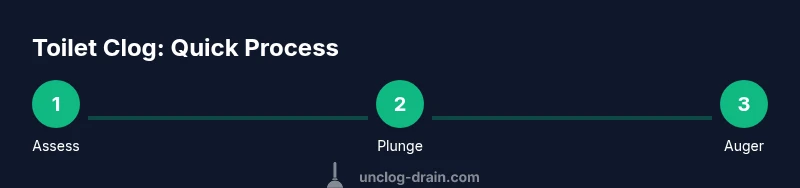
Begin with a visual check to ensure there isn’t a non-flushable object causing the blockage. If the bowl is only slightly slow, use a flange plunger with a good seal and a controlled up-down motion to generate suction. If plunging doesn’t clear the clog after several cycles, switch to a toilet auger and gently rotate the handle to extend the cable into the trap. Re-test by flushing to gauge progress. Finally, sanitize surfaces and dispose of any debris in the trash, never down the drain. This non-chemical approach minimizes risk to the toilet’s porcelain, seals, and the home's plumbing system.
Common Myths About Toilet Cleaners
A frequent myth is that hot water and chemical cleaners will dissolve any clog instantly. In reality, many clogs require physical displacement or removal of the obstruction. Another misconception is that all chemical cleaners are safe for toilets; most are not, and mixing chemicals can create hazardous fumes. Debunking these myths helps homeowners avoid damage and unnecessary expenses. Unclog Drain’s guidance centers on practical, repeatable techniques that preserve fixture integrity and maintain sewer health.
Preventive Tips to Keep Toilets Running Freely
Regular maintenance reduces clogs: avoid flushing non-flushables, use a toilet brush and mild cleaners to prevent buildup, and check for mineral deposits around the rim and jets. Keep a plunger nearby and consider an inexpensive toilet auger for annual checks. If your home has hard water, consider water-softening options to reduce mineral buildup that can contribute to clogs. Routine inspection and mindful usage are key to preventing emergencies and keeping your system healthy.
Safety and Environmental Considerations
Chemical cleaners can irritate skin, eyes, and lungs. If you must use one, follow the label precisely and never mix chemicals. Ventilate the bathroom and store products securely away from children and pets. Environmentally, harsh cleaners can disrupt microbial ecosystems in septic tanks; opt for enzyme-based products when possible and rely on mechanical methods first. Following these guidelines protects your home and the environment while solving the clog effectively.
Troubleshooting When Home Methods Fail
If plunging or using a toilet auger yields no results, or if the water level continues to rise during attempts, stop immediately to avoid overflow. Turn off the water supply to the toilet if needed and call a plumber. Persistent clogs can signal an issue beyond the local trap, such as a blocked main line or a damaged sewer pipe. Document symptoms and timing to help the professional diagnose quickly. Unclog Drain recommends seeking professional help when home methods no longer resolve the problem.
Decision Points: When to Call a Pro
Call a licensed plumber if you repeatedly encounter clogs despite safe DIY attempts, if water backs up into other fixtures, or if you notice sewer odors or gurgling pipes. Pro involvement is warranted when you suspect a main sewer obstruction, damaged piping, or improper venting. A prompt professional assessment can prevent water damage, mold growth, and more serious plumbing failures. The Unclog Drain team supports homeowners making thoughtful, informed decisions about when to escalate.
Tools & Materials
- Flange toilet plunger(Specialized for toilets; ensure a tight seal with the rim.)
- Toilet auger (closet snake)(Choose a model with a 3-4 ft reach; avoid metal coils that could scratch porcelain.)
- Rubber gloves(Protect skin from splashes.)
- Safety glasses(Optional but recommended for splash protection.)
- Old towels or rags(Place around the toilet to catch spills.)
- Bucket(For small amounts of standing water if needed.)
- Flashlight(Illumination for the base and trap area if visibility is low.)
- All-purpose cleaner (non-chemical preferred)(To sanitize surfaces after the fix.)
Steps
Estimated time: 30-60 minutes
- 1
Assess the clog and prepare the area
Clear the area around the toilet, put on gloves and safety glasses, and remove excess water if necessary with a sponge. Check for non-biodegradable objects near the rim that could be causing the blockage. This prevents splashes and makes the next steps more effective.
Tip: Use a bucket to remove standing water before starting if the bowl is full. - 2
Start with the flange plunger
Position the flange plunger so it fully covers the drain opening with a complete seal. Use firm, controlled thrusts up and down without breaking the seal, and repeat for 15-20 cycles. The suction and pressure often dislodge the clog.
Tip: Keep the water level just high enough to cover the plunger cup for maximum suction. - 3
Switch to the toilet auger if plunging fails
Insert the auger into the toilet bowl and gently turn the handle clockwise while pushing the cable forward. Stop if you feel resistance, then pull back slightly and twist again. Repeat until the line clears or the clog reduces enough to flush.
Tip: Do not force the cable; forcing can damage the toilet or trap. - 4
Test by flushing
Carefully flush the toilet to test whether the clog has cleared. If the water drains slowly, repeat steps 2-3 once more. If you see continuous backup, stop and switch to a different approach or seek help.
Tip: Do not flush aggressively if the tank is low on water; add water if needed to avoid overflow. - 5
Clean up and sanitize
Disinfect the toilet and surrounding area with a mild cleaner. Dispose of any debris in the trash, not down the drain. Wash hands thoroughly after removing gloves.
Tip: Ventilate the bathroom during cleaning to minimize fumes. - 6
Evaluate and plan preventive steps
Consider what caused the clog (excess toilet paper, non-flushables) and adjust usage accordingly. If recurrent, examine the vent system, pipe slope, or main line with a professional.
Tip: Keep a simple maintenance routine: periodic checks and mindful flushing habits.
Common Questions
Can Drano be used in a toilet?
Generally not recommended. Toilets are not the same as drain lines, and chemical cleaners can damage porcelain, seals, and septic systems. Use mechanical methods first.
Typically not recommended. Toilets aren’t designed for chemical drain cleaners, and they can damage the toilet and septic system. Start with a plunger or auger.
What should I use instead of Drano for a toilet clog?
A flange plunger is the first tool to try. If that fails, an appropriate toilet auger is the next step. Enzyme-based cleaners can be considered for maintenance but aren’t a fast fix for a standing clog.
Use a flange plunger first, then a toilet auger if needed. Enzyme cleaners can help with ongoing maintenance but aren’t a quick fix.
Is Drano safe for septic systems?
Most chemical cleaners are not ideal for septic systems; they can disrupt beneficial bacteria. Check the product label and consider non-chemical approaches first.
Chemical cleaners can upset septic bacteria. Check the label and prefer non-chemical methods when possible.
What if Drano was already poured into the toilet?
Do not flush repeatedly. Ventilate the bathroom and proceed with mechanical methods if safe. If the smell or reaction seems abnormal, leave the area and seek professional help.
If Drano was poured, don’t flush repeatedly; switch to mechanical methods and get help if you’re unsure.
How long does a toilet clog take to fix with a plunger?
Many clogs respond within 5-15 minutes of consistent plunging. If progress stalls, pause, re-check the seal, and try a different method.
Typically 5 to 15 minutes with steady plunging; if progress stops, reassess the seal and try the auger.
When should I call a plumber?
Call a plumber if the clog recurs despite safe DIY attempts, if water backs up in other fixtures, or if you notice sewer odors or gurgling pipes.
If recurring clogs or sewer odors appear, it’s time to call a plumber.
Watch Video
Key Points
- Avoid Drano for toilets; mechanical methods work better.
- Use a flange plunger first, then a toilet auger if needed.
- Do not mix cleaners; follow safety precautions.
- Call a pro if the clog persists or you suspect a main-line issue.