How to Unclog a Drain Without Drano: A DIY Guide
Learn practical, step-by-step methods to unclog drains without Drano. From plunging to snakes and natural cleaners, this guide helps homeowners fix common clogs safely, cost-effectively, and with prevention tips for future jams.


Bypass chemical drain cleaners and unclog your drain using proven DIY methods. This guide shows safe, effective ways to clear common clogs without Drano, including plunging, snakes, natural cleaners, and preventive steps. You’ll learn when to stop and call a professional, plus tips to reduce future jams and keep drains flowing freely.
Why DIY unclog without chemicals matters
Clogged drains are a common household nuisance, and many homeowners instinctively reach for caustic chemical cleaners like Drano. While these products can help in a pinch, they also carry risks: fumes, chemical burns if mishandled, and potential damage to older pipes or septic systems. More importantly, relying on chemicals alone often masks the underlying cause rather than addressing it. By learning safe, non-chemical techniques, you can restore flow, protect your plumbing, and avoid unnecessary exposure to harsh substances.
According to Unclog Drain, the most reliable approach is to start with mechanical methods and safe natural cleaners. This reduces the chance of pipe damage and minimizes fumes in your home. In our 2026 analysis, Unclog Drain found that many common kitchen and bathroom clogs respond well to plunging, manual snaking, or enzymatic cleaners when used correctly. These methods are typically faster, cheaper, and gentler on pipes than chemical-only solutions.
As you prepare to tackle a clog, remember that patience is a virtue in DIY plumbing. Gather your tools, protect your eyes and skin, and plan a logical sequence of steps. The goal is not to force the clog through the pipe but to remove the blockage or flush it out safely. If you stay methodical and avoid mixing cleaners, you’ll have a higher chance of success without risking injury or damage to your home. The Unclog Drain team emphasizes a careful, methodical approach as the cornerstone of safe home repairs.
Quick checks before you start
Before diving in, take a quick snapshot of the situation and prepare your workspace. Remove the drain cover and inspect the visible area for hair, soap scum, or other obvious obstructions. If you can access the trap (P-trap) under a sink, place a bucket beneath it and loosen carefully to see if you can clear a simple blockage. Check for backups in other fixtures; if multiple drains are affected, the main sewer line could be blocked, and it’s wise to pause and call a licensed plumber.
Gather your tools now so you aren’t scrambling mid-work. A flashlight helps you spot debris, while towels catch splashes and a bucket collects wastewater. If the water level is high and refuses to drain, that’s a hint the clog is deeper than the immediate trap. Finally, confirm your drain type (kitchen vs. bathroom) because you’ll tailor your approach to the material and the typical clog culprit.
Natural methods you can try first
Natural and non-chemical methods are often enough to clear a lot of everyday clogs. Start with a hot water flush: pour boiling or near-boiling water down the drain in stages, allowing it to work for a minute or two between pours. This helps dissolve soap and grease that accumulate along the pipe walls. Next, try the baking soda and vinegar combination. Pour ½ cup of baking soda into the drain, followed by 1 cup of white vinegar. Cover the drain to keep the fizzing action in the pipe, wait 15 minutes, then flush with hot water. If your drain remains stubborn, you can repeat once, but avoid mixing these cleaners with any other chemicals.
Enzymatic cleaners are another safe option for organic clogs (like hair or food scraps). They work gradually and are gentler on pipes than harsh chemicals. Always follow the product instructions and avoid mixing with other cleaners. Keep in mind that enzyme-based methods take time; you might see gradual improvement over several hours or a day. Throughout this process, rely on gentle agitation rather than aggressive force to prevent pipe damage. This approach aligns with the Unclog Drain philosophy of minimizing chemical exposure while protecting plumbing.
Mechanical methods: Plunger and drain snake
Mechanical methods are often the fastest way to restore drainage without chemicals. The most common starting tool is a plunger. Use a cup plunger for sinks and a flange plunger for toilets, ensuring a good seal with enough water to cover the rubber bell. Plunge with firm, consistent pressure, keeping the motion vertical to dislodge the clog. If you don’t see progress after 20–30 seconds, reposition or try a different angle and re-seal. A drain snake (hand-crank auger) can reach deeper into the pipe. Insert the snake until you meet resistance, then gently rotate and push the snake to break up the clog, pulling back debris as you go. For tight bends or long runs, work slowly and maintain steady tension to avoid kinking the cable or pushing the clog further away from you. If you encounter persistent resistance, stop and switch methods to avoid damaging the pipe.
When using a snake, clean the end frequently and flush with hot water to clear loosened debris. If the clog is grease-heavy or located far from the trap, you may need to repeat steps or combine methods. The key is to stay patient and methodical rather than forcing a blockage through the pipe. Remember: a clogged drain is often a sign of a buildup rather than a single blob of material; addressing the root cause through regular maintenance reduces future jams.
When to escalate: signs that you should call a pro
If you notice wastewater backing up into several fixtures, hear gurgling after flushing, or detect a strong sewage odor, stop DIY work and seek professional help. A clogged main sewer line or a broken pipe can require specialized tools and expertise. Do not attempt to force the clog further or use aggressive chemical cleaners in an enclosed space. If you’re dealing with a toilet that won’t flush or a sink that drains extremely slowly after several attempts, a plumber can assess venting issues, pipe integrity, and the overall drainage system. The Unclog Drain team recommends timely escalation when safety or structural concerns arise to prevent costly damage and health hazards.
In cases where you’re unsure about whether the clog is isolated or systemic, a professional evaluation provides peace of mind and prevents speculation-based fixes from causing further issues.
Prevention: keep drains flowing
Prevention is easier than reactive repairs. After you fix a clog, adopt simple habits to keep drains flowing smoothly. Run hot water down kitchen sinks after meals to melt grease, wipe food particles into the garbage rather than the sink, and use a drain screen to catch hair and debris in bathroom sinks and showers. Avoid pouring oils or fats down any drain; store them in a jar and dispose of them in the trash. Regular maintenance like monthly flushes with hot water, combined with a yearly inspection of P-traps and venting, reduces the frequency of clogs. If you have a septic system, don’t overload it with grease or flush non-degradable items. By incorporating these practices, you curb buildup and extend the life of your plumbing.
How to choose the right workflow for your clog
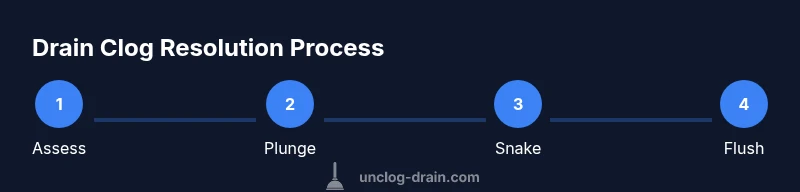
Not every clog is the same. Start with the simplest method (plunger) and escalate to a snake if needed. For grease-based kitchen clogs, hot water plus enzymatic cleaners can help, but mechanical methods are often faster. For hair clogs in bathroom sinks, a drain snake is usually most effective. Keep safety in mind: wear protective gear, avoid mixing cleaners, and test methods on a small section of the pipe when possible. The goal is to restore flow while preserving pipe integrity and avoiding hazardous exposures.
A note on safety and environment
Chemical cleaners can harm pipes, septic systems, and the environment. The Unclog Drain approach emphasizes non-chemical methods first, and when chemicals are considered, they should be non-caustic and used sparingly. Always read product labels, ventilate the area, and never mix cleaners. If you have young children or pets, keep them away from the work zone. If you’re unsure about pipe materials or venting, consult a professional. Taking a cautious, informed approach reduces risk and keeps your home safer.
Tools & Materials
- Cup or flange plunger(Choose cup plunger for sinks; flange plunger for toilets.)
- Drain snake / hand-crank auger(Size appropriate for your drain (1/4 inch or 1/2 inch).)
- Rubber gloves(Protect hands from debris.)
- Safety glasses(Shield eyes from splashes.)
- Bucket(Contain wastewater during work.)
- Old towels or rags(Place around the area to catch drips.)
- Boiling water or very hot water(Used for flushing after cleaning (PVC considerations apply).)
- Baking soda(Optional for natural cleaning with vinegar.)
- White vinegar(Use with baking soda for fizzing action.)
Steps
Estimated time: 30-60 minutes
- 1
Prepare area and safety gear
Put on gloves and safety glasses. Clear the area and lay towels around the sink or tub. Assemble your chosen tools and a bucket ready to catch wastewater. This step reduces the chance of slips and keeps debris contained.
Tip: Double-check that you have a good seal on the plunger before applying pressure. - 2
Clear the immediate area and remove the trap cover
If accessible, remove the drain cover and inspect for obvious blockages. Clear hair or debris from the visible area. If you can safely reach the trap (P-trap), wipe it clean and have your bucket ready to catch any waste that escapes.
Tip: Keep a close eye on the water level to gauge clog depth before plunging. - 3
Use the plunger correctly
Seal the drain with the plunger and add enough water to cover the cup. Plunge with forceful, up-and-down motions in a vertical direction, not side-to-side. Pause to observe if the water begins to drain; repeat if necessary.
Tip: If you have a double sink, seal the other side to build maximum suction. - 4
Try the drain snake (auger) depth
Insert the snake into the drain and rotate while pushing forward gently. When you feel resistance, pull back slightly to retrieve debris and then push forward again. Withdraw debris as you go to prevent re-clogging.
Tip: Never force the snake; stop if you feel resistance that doesn’t yield after several attempts. - 5
Apply baking soda and flush with vinegar
Pour ½ cup baking soda into the drain, then follow with 1 cup white vinegar. Cover the drain to trap fizzing action. Wait 15 minutes and then flush with hot water to push loosened debris through the pipes.
Tip: Avoid using this method with existing caustic cleaners in the drain. - 6
Flush with hot water
Run hot water steadily for several minutes to help clear remaining debris and wash away residue. For stubborn clogs, repeat the baking soda/vinegar step or re-run the plunger.
Tip: Be aware of pipe material; hot water is generally safe for PVC but test if you’re unsure. - 7
Re-test and inspect
Run the faucet to observe drainage. If water still pools or drains slowly, repeat the appropriate mechanical method, or switch to a deeper clean with the snake. Wipe down the area and ensure everything is dry before closing.
Tip: If you hear gurgling or see water backing up, avoid additional attempts that could worsen the clog. - 8
Know when to call a professional
If you’ve tried multiple approaches without success or suspect a main line issue, it’s time to contact a licensed plumber. This protects your pipes and ensures safe diagnosis of venting or structural problems.
Tip: Document symptoms for the plumber to speed up diagnosis.
Common Questions
Can baking soda and vinegar clear a clogged drain?
Baking soda and vinegar can help loosen minor blockages and fizz to dislodge debris, but they may not clear deep or greasy clogs. For persistent clogs, mechanical methods are usually more effective.
Baking soda and vinegar can help with minor clogs, but they may not work for stubborn blockages. If the clog persists, try mechanical methods.
Is it safe to use a plunger on a sink or tub?
Yes, with the right plunger and technique. Ensure a good seal, use enough water to cover the plunger, and avoid splashing. If a toilet is involved, use a flange plunger specifically designed for toilets.
Yes, but use the correct plunger and maintain a good seal to prevent splashes.
What should I do if the clog affects multiple fixtures?
If multiple fixtures backup, the blockage could be in the main sewer line. Stop DIY work and contact a licensed plumber to assess venting and pipe integrity.
If several fixtures back up, the problem could be in the main line; call a pro.
How long should I wait after using baking soda and vinegar?
Wait about 15 minutes after applying the mixture before flushing with hot water to maximize the fizzing action and debris breakdown.
Wait around 15 minutes, then flush with hot water.
When should I use a drain snake instead of a plunger?
If the clog is deeper than the trap or not responding to plunging, use a drain snake to reach farther into the pipe and dislodge the blockage.
If plunging fails, try a snake to reach deeper.
Watch Video
Key Points
- Mechanical fixes first, then safe natural cleaners.
- Choose the right tool for the clog depth and location.
- Avoid caustic chemicals and never mix cleaners.
- Prevent future clogs with screens and routine hot-water flushes.