Unclog Without Drano: Safe DIY Drain Fixes Guide
Learn how to unclog without drano using safe, proven methods. This comprehensive guide covers tools, step-by-step techniques, natural cleaners, and prevention tips for sinks, showers, and toilets.


Here’s how to unclog without drano using safe, effective methods: plunging, natural cleaners, and mechanical tools. This guide provides step-by-step actions, a tool list, and safety tips to clear kitchen and bathroom drains without harsh chemicals. You’ll learn when baking soda and vinegar help, how to use a plumber’s snake, and how to prevent future clogs.
Why unclog without drano matters
Unclogging drains without chemical cleaners isn’t just about avoiding harsh ingredients; it’s about protecting your home, plumbing, and the environment. The Unclog Drain team emphasizes that many clogs respond well to mechanical methods and gentle, natural options, especially when you catch them early. By choosing non-chemical techniques, you reduce exposure for children and pets and minimize the risk of damaging seals and septic systems. This approach also keeps your wallet in check since recurring chemical cleaners can be expensive and may require professional intervention if pipes corrode over time. In practice, a thoughtful mix of plunging, controlled use of heat, and routine maintenance can lead to reliable results without Drano or other strong cleaners. The goal is clear: restore flow safely and prevent future blockages with simple, repeatable steps.
According to Unclog Drain, a chemical-free approach often delivers effective outcomes with less mess and downtime. Homeowners who adopt a methodical process find it easier to diagnose the cause of a clog, choose the right tools, and implement a plan that suits kitchen drains, bathroom sinks, showers, and toilets. This article outlines practical options, explains why they work, and shows you how to tailor techniques to your specific drain type. The emphasis remains on safety, simplicity, and consistency, so you can unclog confidently and keep drains moving smoothly over time.
Tools & Materials
- Plunger (cup plunger for sinks; flange plunger for toilets)(Ensure a tight seal; use a flange plunger for toilets and a cup plunger for sinks.)
- Plumber’s snake / auger(Choose 3–6 ft for sinks; 6–8 ft for toilets; rotate while feeding the head into the drain.)
- Bucket(To catch water and debris during disassembly or cleaning.)
- Rubber gloves(Protect hands from dirty water and sharp edges.)
- Old towels or rags(Absorb spills and protect surfaces.)
- Kettle or pot for hot water(Useful for flushing after looseners; avoid boiling if pipes are PVC.)
- Baking soda(About 1/2 cup per treatment for best effect.)
- White vinegar(Combine with baking soda for fizzing action to help loosen buildup.)
- Flashlight(Helpful for inspecting under sinks and inside traps.)
- Old toothbrush or small scrubbing brush(Clean debris from traps and the drain rim.)
Steps
Estimated time: 60-90 minutes
- 1
Prep and assess the clog
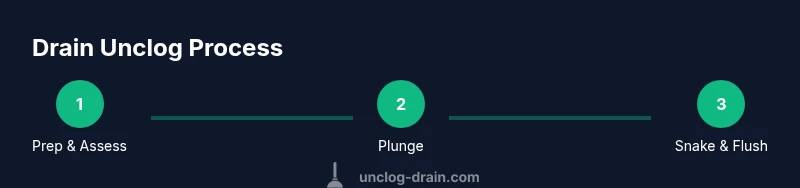
Clear the area beneath the drain and place a bucket to catch water. Remove standing water if possible using a cup or sponge. Inspect the trap area (for sinks) or the drain opening to identify obvious blockages or hair accumulations. This upfront assessment helps you choose the most effective method and reduces mess.
Tip: Wear gloves and have towels ready before you start. - 2
Choose the right plunger
For sinks, start with a cup plunger; for toilets, use a flange plunger to create a better seal. Position the plunger so it fully covers the drain and creates a tight seal. If you can’t seal properly, clean the rim and remove any loose debris first.
Tip: A good seal makes plunging far more effective. - 3
Warm (not boiling) water flush
Pour hot water into the drain to loosen soap scum and hair buildup. Use water just below boiling if your pipes are PVC to avoid damage. This pre-soak step can soften the clog and make plunging easier.
Tip: Check pipe material before using hot water to prevent damage. - 4
Plunge with purpose
Plunge with several firm, slow pushes, then quick, short pulls to create suction and dislodge the clog. Maintain the seal throughout and avoid breaking the suction by lifting the plunger away too soon. Repeat 15–30 seconds at a time, pausing if water drains slowly.
Tip: Keep the head fully submerged for a better seal. - 5
Try baking soda and vinegar
Pour 1/2 cup baking soda into the drain, followed by 1 cup vinegar. Cover the drain to contain the fizz, and wait 15–20 minutes. Rinse with hot water to flush loosened debris.
Tip: The fizzing action helps loosen organic buildup, not mineral scale. - 6
Use a plumber’s snake for deeper clogs
Insert the snake into the drain and rotate clockwise while pushing forward. When you feel resistance, slowly pull back and continue rotating. Repeat until the obstruction breaks up or retracts. This reaches deeper into the pipe than plungers.
Tip: Don’t force the snake too hard; gentle, patient feeding reduces the risk of pipe damage. - 7
Flush and re-check
Run hot water for 1–2 minutes to flush the drain. If water still backs up, repeat steps 4–6 or move to trap cleaning if comfortable. Re-test with a second, thorough flush to confirm the clog is gone.
Tip: A second flush often confirms success and prevents a quick re-clog. - 8
Disassemble traps if necessary
If the drain remains blocked, carefully loosen the P-trap under the sink and clean out hair and debris. Reassemble tightly and run water to test. Replace any worn washers to prevent leaks.
Tip: Place a bucket to catch water and take care with metal fittings. - 9
Prevent future clogs
Establish a simple maintenance routine: use drain screens, dispose of grease properly, and avoid pouring fibrous foods or coffee grounds down the drain. Consider a monthly baking soda wash followed by hot water to keep buildup low.
Tip: Prevention saves time and money over the long term. - 10
Know when to call a professional
If you suspect a main sewer line issue, sewage odors, or persistent clogs after multiple attempts, stop and seek professional help. A licensed plumber can diagnose more complex problems safely.
Tip: Don’t force tools into the main line or attempt dangerous disassembly without proper expertise.
Common Questions
Can baking soda and vinegar unclog a drain?
Baking soda and vinegar can help loosen organic buildup in some clogs, especially when combined with a short dwell time and a hot water rinse. They’re gentler on pipes than chemical cleaners and safe for most home drains when used in moderate amounts.
Baking soda and vinegar can loosen buildup in many clogs, followed by a hot water rinse to clear the line.
Is it safe to pour boiling water down PVC pipes?
Boiling water can warp or soften some PVC pipes and connectors. If your pipes are plastic, use hot (not boiling) water instead. If unsure, test with near-boiling water and avoid applying extreme heat.
Be careful with boiling water on plastic pipes; use hot water instead to avoid damage.
Will a plunger work on all drains?
A plunger works best on drains with a standing water surface and a clean seal around the drain. It is less effective on completely blocked or kinked pipes and on main sewer lines.
Plungers work well for many clogs, but not all—especially if the pipe is severely blocked or the clog is in a main line.
What should I do if the clog is in the main sewer line?
A main sewer clog typically requires professional tools and expertise. If you notice multiple drains backing up, sewer gas, or a bubbling toilet, stop DIY efforts and contact a licensed plumber.
If multiple drains back up together, it might be a main sewer issue—call a pro.
Should I use a chemical drain cleaner after trying DIY methods?
Chemical cleaners should be a last resort after safer DIY methods fail and only if you’re sure the pipe material is compatible. Always follow the product instructions and ventilate the area.
Chemical cleaners are a last option—try safer methods first and read labels carefully.
How often should I perform maintenance to prevent clogs?
A regular maintenance routine—such as monthly baking soda and hot water flushes and annual traps cleaning—can help prevent buildup. Install drain screens and avoid pouring grease or coffee grounds down the drain.
Keep a simple monthly routine to prevent clogs and protect your pipes.
Watch Video
Key Points
- Unclog without drano using safe, proven methods
- Choose the right tools and follow a methodical plan
- Prevent clogs with routine maintenance