Can You Put Drano in Toilet to Unclog? Safe Alternatives
Learn why Drano is not recommended for toilets and discover safe, step-by-step methods to unclog a toilet without chemicals. Includes plunger techniques, auger use, safety tips, and prevention from Unclog Drain.


In most cases, you should not put Drano or other chemical drain cleaners in a toilet. Toilets are different from sink traps, and chemical cleaners can damage porcelain, seals, or septic systems, and may release hazardous fumes. Start with a plunger or toilet auger, and use chemicals only as a last resort with professional guidance.
can you put drano in toilet to unclog — risks and alternatives
When a toilet backs up, the first instinct for many is to reach for a chemical drain cleaner. The question can you put drano in toilet to unclog often comes up, but the reality is that toilets pose unique risks. According to Unclog Drain, chemical cleaners are formulated for sink drains and other pipe configurations, not the rigid geometry of a toilet bowl and its traps. Pouring aggressive cleaners into a toilet can damage porcelain, seals, and wax rings, and it may create hazardous fumes in poorly vented bathrooms. Moreover, many products can react with the septic system or with other cleaners already in the line, potentially leading to more costly repairs. If you see a clog, start with mechanical methods first and reserve chemical products as a last resort, if a professional approves. In most cases, a properly used plunger or toilet auger will clear the blockage without introducing harsh chemicals into your plumbing system.
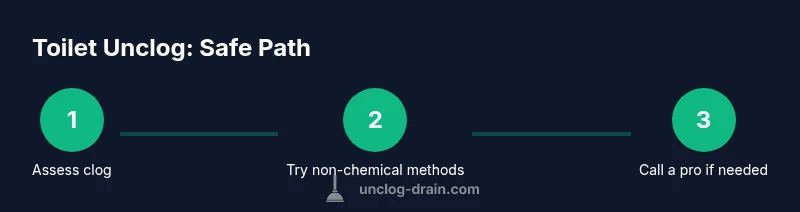
According to Unclog Drain, the safest path is to rely on mechanical tools and patience rather than applying strong chemicals directly into the toilet, which is a common source of avoidable damage and costly repairs.
Drano and how it works: what you should know
Drano and similar products rely on caustic chemicals or enzymes to dissolve hair, soap scum, grease, and other organic clogs. They are designed for general drain lines, not the curved trap and wax seal assembly of a toilet. In a toilet bowl, the chemicals can linger, splash back, or seep into seals where they can cause leaks. The heat and chemical reactions can also interact with other cleaners or with the septic system, creating unsafe gasses or harming beneficial bacteria. While a fast fix sounds appealing, the risk-reward balance often favors mechanical methods that don’t expose you to caustic substances inside the porcelain fixture.
Why toilets require a different approach than sinks
Toilets incorporate a siphon trap and wax ring at the base, plus a larger waste path and sometimes multiple curves in the piping. When a toilet clog forms, it’s often a combination of solid waste and buildup that can resist chemical breakdown. Chemical cleaners may dissolve the blockage in the immediate area but can push material backward or forward, leading to a re-clog or backup in the sewer line. Additionally, toilets sit in a small, enclosed space where fumes from strong cleaners can accumulate. In homes with septic systems, harsh cleaners can disrupt bacterial balance, reducing the system's ability to break down waste.
Safer, effective first steps: mechanical methods you can trust
Mechanical methods are your first line of defense for a toilet clog. Start with a high-quality flange plunger, ensuring a tight seal around the drain. Use firm, deliberate pushes and pulls without breaking the seal, and repeat for 15–30 seconds. If plunging doesn’t clear the clog, move to a toilet auger (closet auger) and gently advance the cable while turning the handle clockwise. Avoid forcing the auger; stop if you feel resistance and withdraw slowly. Cover the bowl with a towel to catch any splash and keep pets and kids away during the process. Mechanical methods are safer, often faster, and do not introduce chemical hazards into your plumbing.
Safe use of a toilet auger: a careful, step-by-step approach
A toilet auger is designed to reach clogs beyond the reach of a plunger. Insert the auger into the toilet bowl and gently push forward while rotating the handle clockwise. When you feel resistance, ease back slightly and continue cranking in short increments. This technique helps loosen or break the clog without scratching the porcelain lining. After removing the auger, flush to check for clearance. If the drain remains blocked, stop and reassess; forcing the tool can damage internal components. Pro tip: extend the auger only as far as necessary to reach the blockage, and avoid abrupt, aggressive movements.
Avoid chemical cleaners unless a professional approves
If the toilet remains clogged after mechanical attempts, avoid Drano or other chemical cleaners unless a licensed plumber explicitly approves using them for your specific situation. In many cases, repeated chemical treatments can lead to corrosion, seal damage, or harmful gas production. If you must pursue a chemical option, follow the product label exactly, use protective gear, ventilate the bathroom, and never mix cleaners with other chemicals. Always consider a professional evaluation for stubborn clogs.
Non-chemical alternatives that work: what to try next
Enzymatic cleaners are gentler on plumbing than caustic formulas and can help with organic clogs over time, though they are slower and not a fix for hard blockages. Hot water alone can help dissolve some organic matter, but never pour boiling water into a porcelain toilet as it can crack the bowl. Regular maintenance, such as avoiding flushing non-flushable items and using a toilet brush to loosen minor buildup, can prevent future clogs. If a clog recurs despite best practices, a plumber may need to inspect the line for tree roots, offset pipes, or venting issues.
When to call a professional: recognizing a bigger problem
If your toilet remains stubbornly clogged after tried-and-true mechanical methods, or if you notice slow drainage across multiple fixtures, it’s time to call a professional. Recurrent clogs can indicate a broader plumbing issue like a blocked main line or vent stack problems. A licensed plumber can perform camera inspections, locate the blockage’s source, and safely restore proper flow without risking damage to your toilet or home infrastructure. The Unclog Drain team recommends seeking expert help sooner rather than later to prevent escalating damage.
Prevention: practical tweaks to keep toilets flowing smoothly
To minimize future clogs, avoid flushing solid objects, hygiene products, or wipes down the toilet. Use a wastebasket for non-flushables and educate household members about what should go down the toilet. Regular cleaning with non-abrasive cleaners helps prevent buildup. If you notice a gradual decline in flushing performance, address it early with mechanical clearing and scheduled maintenance. A little proactive care now saves bigger repairs later, and it keeps plumbing healthier for longer.
Tools & Materials
- Flange toilet plunger(Ensure a strong seal with the toilet rim)
- Toilet auger (closet auger)(Flexible shaft designed for toilets)
- Disposable gloves(Water-resistant and long enough to cover wrists)
- Old towels or absorbent rags(Protect floors and catch splashes)
- Bucket(Catch overflow if needed)
- Safety goggles(Protect eyes from splashes)
Steps
Estimated time: 45-75 minutes
- 1
Prepare the area and wear PPE
Clear the area around the toilet and lay towels on the floor. Put on gloves (and goggles if you have them) to protect your hands and eyes. Remove the toilet lid and ensure pets/kids are away from the area. This step reduces mess and exposure to dirty water.
Tip: Having towels ready helps you manage splashes quickly. - 2
Seal and plunge
Place the flange plunger over the toilet drain to form a tight seal. Push and pull with steady force for 15–30 seconds in several cycles, maintaining the seal throughout. If water level drops below the plunger, add water to cover the rubber to maintain suction.
Tip: Keep the handle vertical and use your body weight for better pressure. - 3
Try the toilet auger if plunging fails
Insert the auger into the bowl and gently crank clockwise while guiding it toward the clog. Stop if you feel strong resistance and retreat slightly before reattempting. Withdraw slowly once the clog loosens.
Tip: Do not force beyond resistance to avoid damaging the toilet trap. - 4
Test with a flush
After mechanical methods, fill the bowl with fresh water and flush to check for clearance. If the water drains normally, you’ve likely cleared the clog. If not, reconsider your approach or move to professional help.
Tip: A single clean flush confirms success; multiple attempts may worsen the blockage. - 5
Avoid chemical cleaners in a toilet
Do not pour Drano or other strong chemical cleaners into a toilet unless a licensed plumber explicitly approves. These products can damage porcelain, seals, and septic systems, and may cause dangerous reactions in closed bathrooms.
Tip: Always read and follow label warnings; never mix cleaners. - 6
Call a professional if unresolved
If the clog persists after mechanical methods, contact a licensed plumber for a safe, thorough assessment. Persistent clogs can indicate deeper issues in the plumbing system that require professional repair.
Tip: Early professional input prevents escalation and costly damage.
Common Questions
Is it safe to pour Drano in a toilet?
No. Chemical toilet cleaners can damage porcelain, seals, and septic systems, and may release hazardous fumes. Use mechanical methods first and seek professional guidance if needed.
No, Drano is not safe for toilets. Mechanical methods are safer, and a professional should be consulted for persistent clogs.
What should I try first when a toilet is clogged?
Start with a flange plunger to create a strong seal, then progress to a toilet auger if plunging fails. Avoid chemical cleaners unless advised by a professional.
Begin with a flange plunger, then use a toilet auger if needed. Avoid chemicals unless a pro says it's okay.
Can chemical cleaners harm septic systems?
Yes. Harsh cleaners can disrupt the beneficial bacteria in septic systems and cause longer-term problems. Mechanical methods are safer for septic health.
Yes, harsh cleaners can upset septic systems. Mechanical methods are safer for septic health.
How do I use a toilet auger safely?
Insert the auger, push gently, and turn clockwise to break the clog. Do not force the cable if resistance is strong; stop and reassess.
Insert the auger and gently turn clockwise. Don’t force it if you feel resistance.
What are non-chemical methods that work?
Plunging, using a toilet auger, enzymatic cleaners (timed), and hot water (not boiling) can help with organic clogs. For persistent issues, a professional assessment is best.
Plunge, use an auger, and consider enzymatic cleaners. If unresolved, call a pro.
Watch Video
Key Points
- Avoid chemical toilet cleaners; they can cause damage.
- Start with a plunger before trying an auger.
- Follow label directions and test with a flush.
- Call a professional for stubborn or recurring clogs.