How to Use Drano to Unclog a Toilet: A Practical DIY Guide
Learn how to safely use Drano to unclog a toilet with practical steps, safety tips, and alternatives. Unclog Drain provides expert guidance for homeowners dealing with bathroom clogs without hiring a plumber when possible.


Drano can be a quick fix for a toilet with a slow drain or partial clog when used correctly. Before you start, read the label, ensure the toilet isn’t overflowing, and only use a product labeled for toilets. According to Unclog Drain, never mix cleaners and keep kids and pets away. If the clog persists, switch to mechanical methods or call a plumber.
Understanding Drano and Toilet Clogs
Toilet clogs arise from a mix of toilet paper, hygiene products, hair, minerals, and other debris that accumulate over time. When you plan to use drano to unclog toilet, it helps to understand how these products work. Drano toilet formulas rely on surfactants to break up matter and active cleaning agents to dissolve organic material. While a label for toilets can offer a quick fix in some cases, a clog is not always resolved by chemical cleaners alone. In many homes, a partial clog stems from an obstruction near the trap, while a complete stoppage involves a deeper blockage. According to Unclog Drain, safety and label-reading are the first steps, and never mix cleaners. This guide presents practical, careful steps to assess the clog, apply product correctly, and know when to switch to mechanical methods or professional help. The goal is to empower you with options that protect your plumbing and your home.
Safety and Label Instructions
Safety is non-negotiable when using chemical cleaners like Drano in a toilet. Always read the full label before use, confirm that the product is labeled for toilets, and keep the container away from children and pets. Use the smallest effective amount and never combine multiple cleaners or chemicals. Ventilate the bathroom if possible, and wear protective gloves to avoid skin contact. If the toilet is already overflowing, do not add cleaner; instead, stop the flow and address the overflow first. Unclog Drain emphasizes that following the label is essential to avoid fumes, chemical burns, or damage to the porcelain and plumbing.
Assessing the Clog: When Drano May Help
Not all toilet clogs are the same. A slow drain or partial blockage near the trap may respond to a chemical cleaner labeled for toilets, while a solid obstruction or sewer backup requires different approaches. Before proceeding, check the bowl: is water high but not overflowing? If yes, you may have a manageable clog. If water is rising toward the rim or you hear gurgling from the drains, pause and consider mechanical methods first. Drano can be a tool in your DIY toolkit, but it is not a universal fix. Evaluate the symptoms, read the product label, and select the appropriate Drano formulation made for toilets. If unsure, opt for safer, non-chemical methods or call a professional.
Preparing the Toilet Area and Tools
Preparation reduces mess and avoids mistakes. Clear the bathroom floor, lay down towels, and place a bucket within easy reach. Put on rubber gloves and safety glasses if available. Gather tools: a toilet plunger with a flange, a toilet auger or snake, and a bucket for any spills. Ensure the room is well-ventilated and the water supply valve behind the toilet is accessible. If you’re using Drano, measure exactly as directed by the label—never exceed the recommended amount. [image: toilet_clog_setup.png] Keeping the setup organized minimizes splash risk and helps you follow each step precisely.
Step-by-Step Usage of Drano in a Toilet
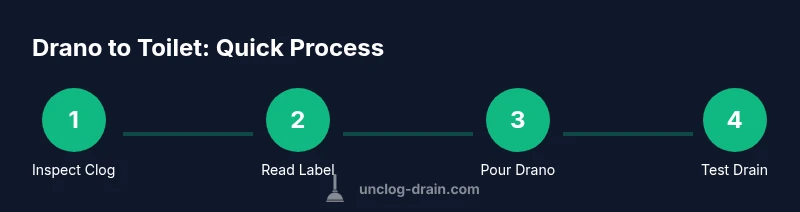
- Turn off the water supply and remove excess water from the bowl using a cup or sponge. 2) Read the label again to confirm you’re using a toilet-specific product and note the recommended wait time. 3) Slowly pour Drano into the toilet bowl, aiming for the center of the drain. 4) Allow the product to sit for the suggested time, typically several minutes, without flushing. 5) After waiting, flush once and observe whether the flow improves. 6) If the water drains slowly or the clog remains, switch to a mechanical method rather than adding more cleaner. This sequence reduces chemical exposure while maximizing the chance of success. Pro tip: use a mirror or flashlight to inspect for visible blockages near the rim. 7) If the clog persists after a mechanical attempt, stop and seek professional help.
Wait Times and Testing for Resolution
The effectiveness window for many toilet-specific Drano formulas is defined by the product label. Most formulations require a wait time of several minutes to observe results; never mix products or extend wait times beyond recommended durations. After waiting, perform a controlled flush to test drainage. If the water level rises again or does not clear, you’ve likely encountered a deeper blockage that needs mechanical intervention. Document the signs you observed (water level, sounds, time since application) to share with a plumber if needed. Quick testing helps you decide whether to persevere with DIY methods or escalate to professional service.
What If Drano Doesn't Clear the Clog?
If Drano fails to clear the blockage, switch to a mechanical approach such as a toilet plunger or a toilet auger. A plunger is often the most accessible tool for a simple obstruction, while an auger can reach beyond the trap to dislodge deeper blockages. Avoid repeatedly applying cleaners after a failed attempt—this can create hazardous fumes and waste. If you still can’t clear the clog after these methods, it’s time to contact a licensed plumber. Persistent clogs may indicate a deeper problem, such as a broken trap arm or main sewer line issue.
Alternatives and Safe, Non-Chemical Options
Enzyme-based cleaners offer a gentler alternative, breaking down organic waste without strong caustic chemicals. A plunger or flexible toilet snake is equally effective for many clogs and avoids chemical exposure. Before trying alternatives, ensure the bathroom is adequately ventilated and remove any standing water as needed. For septic systems, enzyme cleaners are often favored, but always check product guidelines. When in doubt, opting for non-chemical methods first reduces risk to pipes and the environment.
Preventing Future Toilet Clogs
Prevention is easier than repeated fixes. Install a toilet paper schedule that avoids flushing bulky items, use a toilet plunger routinely as part of maintenance, and inspect the trap area for signs of wear or buildup. Regularly clean the toilet and surrounding area to reduce residue that can contribute to clogs. If you have hard water or mineral buildup, consider a periodic rinse with a mild cleaner that is safe for toilets. Finally, learn your home’s plumbing layout—understanding where the main cleanout is located can save time during a clog. Unclog Drain recommends keeping a basic DIY kit on hand to address typical clogs quickly.
Myths vs. Realities About Drano and Toilet Clogs
Myth: Drano is a universal solution for all toilet clogs. Reality: It helps some clogs near the trap but may not resolve deeper blockages. Myth: Mixing Drano with other cleaners is safe. Reality: Mixing cleaners can produce dangerous fumes and chemical reactions. Myth: If Drano works once, you should do it repeatedly. Reality: Overuse can damage seals and pipes and may irritate septic systems. Understanding these distinctions helps you decide when to use Drano and when to switch to mechanical methods or professional help.
Tools & Materials
- Rubber gloves(Non-slip, waterproof; long cuff)
- Toilet plunger (flange type)(Provides a seal for the toilet drain)
- Toilet auger / snake(Used for deeper blockages)
- Bucket(Catch spills and drips)
- Old towels or rags(Protect flooring)
- Measuring cup (if product requires dosing)(Check label for exact amounts)
- Flashlight(Inspect blockage visually)
- Drano toilet product (labeled for toilets)(Do not mix with other cleaners)
Steps
Estimated time: 30-60 minutes
- 1
Turn off water and clear area
Shut off the toilet's water supply valve behind the bowl to prevent refilling while you work. Remove excess water from the bowl with a towel or sponge to reduce splash. This creates a safer starting point before any chemical or mechanical intervention.
Tip: Have a bucket handy for quick drip collection and wear gloves. - 2
Read label and prepare product
Double-check that the product is labeled for toilets and review the recommended amount and wait time. Do not mix with other cleaners and ensure the bathroom is well-ventilated. If the label advises against use with septic systems, proceed with caution or use alternatives.
Tip: Only open the product over a closed, stable surface to avoid spills. - 3
Pour Drano into the toilet
Slowly pour the toilet-specific cleaner into the bowl, aiming toward the drain. Follow the exact dosage on the label—exceeding it can create hazardous fumes or damage pipes. Avoid splashing and keep hands away from the bowl rim.
Tip: Pour slowly and stay clear of the spray zone around the bowl. - 4
Wait for the product to act
Allow the cleaner to sit for the label's recommended time. Do not flush during this window. The waiting period lets the cleaner work on the clog and reduces the risk of overflow when you test the drain.
Tip: Set a timer and resist the urge to test early. - 5
Test with a controlled flush
After waiting, give the toilet a gentle, controlled flush. If the water drains slowly or remains high, stop and consider a mechanical method before attempting another chemical treatment.
Tip: If the flush causes a surge of water, pause and assess before trying again. - 6
Try a mechanical method if needed
If Drano didn't clear the clog, switch to a plunger with a flange or a toilet auger. Use the plunger to create a vacuum seal and push through the blockage; use the auger to reach deeper obstructions beyond the trap.
Tip: Apply steady pressure; avoid forcing the tool aggressively to protect the porcelain. - 7
Assess the result and plan next steps
If the clog persists after mechanical methods, stop and call a licensed plumber. Persistent clogs may indicate a deeper problem such as a sewer-line issue or damaged components. Document the steps you took for reference.
Tip: Take note of the symptoms to share with the technician.
Common Questions
Can I safely use Drano to unclog a toilet?
Yes, if the product is labeled for toilets and you follow the label instructions exactly. Do not mix with other cleaners and avoid multiple applications if the clog remains.
Yes, but only if the product is labeled for toilets and you follow the label exactly. Don't mix cleaners and avoid repeated applications if the clog persists.
What should I do if the toilet overflows after using Drano?
Stop adding product, turn off the water supply, and remove excess water from the bowl. Do not flush again until you’ve cleared the overflow and assessed the clog with alternative methods or professional help.
If it overflows, stop, remove excess water, and assess with mechanical methods or call a plumber if needed.
Will using Drano damage pipes or septic systems?
Chemicals can affect certain pipes and septic systems; always follow the label and consider non-chemical approaches for septic tanks. If in doubt, consult a plumber.
It can impact some pipes and septic systems; follow the label and consider non-chemical options if you’re unsure.
Can I use Drano in a toilet with a garbage disposal?
Avoid using products not labeled for toilets with disposal units. Use toilet-specific cleaners and mechanical methods first, and only follow the label instructions.
Don’t use products not labeled for toilets with disposals; prioritize toilet-specific cleaners and mechanical methods.
What should I do if Drano doesn’t clear the clog?
Stop applying more cleaner and switch to mechanical methods like plunger or auger. If unresolved, contact a licensed plumber to diagnose a deeper issue.
If it doesn’t clear, switch to a plunger or auger and call a plumber if needed.
Are there safer alternatives to Drano?
Yes. Enzyme-based cleaners, mechanical methods (plunger, snake), and routine maintenance can reduce chemical exposure and protect plumbing. Consider non-chemical options first for recurring clogs.
Enzymes and mechanical methods are safer; use non-chemical options first for recurring clogs.
Watch Video
Key Points
- Follow label directions for any Drano product labeled for toilets.
- Use mechanical methods if Drano does not clear the clog.
- Prioritize safety and ventilation during the process.
- Avoid using Drano as a long-term solution for recurring clogs.
- Consult a plumber for persistent or repeating issues.