Blocked Toilet Fix: The Ultimate Step-by-Step DIY Guide
Learn how to fix a blocked toilet quickly and safely with practical, DIY-friendly steps. This guide covers plunger use, augers, safety tips, and prevention to keep your bathroom clog-free.


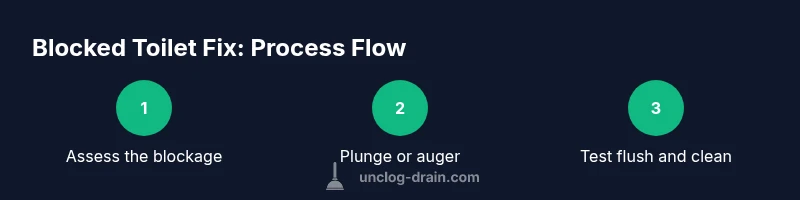
Goal: fix a blocked toilet using safe, DIY methods. You’ll discover when to tackle the clog yourself, which tools are essential, and a practical, step-by-step process to clear the blockage without damaging the toilet or plumbing. The guide also notes safety limits and when to call a professional.
Why a blocked toilet fix matters
According to Unclog Drain, a blocked toilet is a common household frustration, but it is usually solvable with the right approach. Fixing a toilet clog promptly prevents overflow, saves water, and reduces the risk of more serious plumbing issues. In this guide, you will learn practical, DIY-friendly methods that minimize mess and avoid damage to your pipes. By understanding how toilets work and what typically causes clogs, you can choose safe, effective strategies and know when to call a pro. This knowledge helps homeowners stay proactive and calm when the bathroom becomes temporarily unusable.
Common causes of toilet clogs
Clogs don’t always stem from a single object. In many homes, the buildup comes from a combination of excessive toilet paper, refusal to flush items that aren’t toilet paper, and gradual mineral or soap scum buildup inside the trap and drain. Some clogs form behind the bend in the waste pipe, making them harder to reach. Understanding these patterns helps you tailor your approach and avoid unnecessary force that could damage the porcelain or seals. Regular maintenance, careful flushing habits, and routine inspection are your best defense against recurring blockages.
DIY vs professional: decisions for when to fix it yourself
Most small, non-severe clogs can be addressed with basic tools and careful technique. If you have a flange plunger, a closet auger, and a clean workspace, you’re equipped for a substantial DIY attempt. However, if multiple fixtures are blocked, if you notice sewage odors, or if attempts fail after several rounds, it’s prudent to call a licensed plumber. Signs of a bigger issue, like a sewer line blockage, require professional equipment and expertise. The goal is to resolve the problem without causing cross-contamination or damage.
Tools and safety gear you’ll need at the start
Before you begin, gather essential items and protective gear. A flange plunger and a closet auger are your primary mechanical tools. Thick rubber gloves, protective eyewear, a bucket, towels, and a flashlight help keep you safe and make the process cleaner. If you’re unsure about the setup or encounter a stubborn blockage, pause and reassess—hasty or forceful actions can crack porcelain or bend internal components. Having a dedicated workspace makes cleanup easier and reduces mess in the bathroom.
Non-invasive clearing methods you can try first
Start with the least invasive methods to avoid damage. Use a flange plunger to form a tight seal over the drain and plunge with steady, rhythmic pressure. If the water level is high, allow it to settle a bit, then plunge to create suction. Gentle, repeated motions can break up most paper-based or soap scum blockages. For a milder clog, you may add a small amount of liquid dish soap and wait a few minutes before plunging again. Avoid forcing excessive pressure against the porcelain, and never use chemical cleaners as your first step, since they can interact with other tools and produce hazardous fumes.
Using a toilet auger for a deeper fix
If plunging isn’t effective, a toilet auger (closet auger) can reach further into the trap to dislodge or retrieve the obstruction. Feed the auger slowly, keeping the tip straight and guiding it along the bend of the drain. Apply light, controlled torque to break up the clog or snag the blockage. Retract gradually to prevent pushing the clog deeper. Clean the auger head after use to prevent residue transfer to the next flush. This method is especially helpful for solid objects that linger beyond the trap’s reach.
Plungers: choosing and using correctly for best results
Choosing the right plunger matters. A flange plunger is designed for toilets and creates a strong seal around the drain, improving suction and clearance compared with a cup plunger. Ensure the plunger’s rubber is intact and free of cracks. When using it, place the rim tightly around the drain opening and keep your wrist steady to generate even pressure. For stubborn clogs, combine plunging with a short soak of dish soap or mild warm water to loosen buildup and improve flow on the next flush.
Safe cleaners and sanitation after a clog
Chemical drain cleaners are generally not the first choice for toilets due to potential damage to seals, pipe materials, and the risk of hazardous fumes. If you choose to use a cleaner, opt for enzymatic products that are labeled as toilet-safe and follow the manufacturer’s directions precisely. After clearing a clog, flush the system multiple times with clean water and wipe down the area with a disinfectant to maintain hygiene. Proper cleanup also helps minimize odors and reduces the chance of recontamination in the bathroom.
Prevention and maintenance to minimize future clogs
Proactively reducing buildup begins with mindful flushing habits and routine maintenance. Consider flushing only toilet paper and human waste, and avoid disposing of wipes, feminine products, or other non-flushables in the toilet. Periodic maintenance with enzyme-based cleaners can help keep pipes clean without harming the septic system when used as directed. If your home has hard water, consider regular checks for mineral scale and address it before it becomes a stubborn clog. Finally, keep a plunger accessible so you can act quickly at the first sign of trouble.
When to call a professional for a blocked toilet fix
If you’ve tried multiple times with proper technique and the toilet remains clogged, or if you notice multiple fixtures affected by the blockage, it’s time to call a licensed plumber. Don’t delay—delays can worsen the problem and increase the risk of leaks. A professional can assess whether the issue lies in the sewer line, the vent stack, or a more complex plumbing fault and bring the right equipment to resolve it safely and efficiently.
Tools & Materials
- Flange plunger (toilet plunger)(Ensure a proper seal around the drain.)
- Toilet auger (closet auger)(Choose a hand-crank model with a protective sheath.)
- Heavy rubber gloves(Protect hands from waste and bacteria.)
- Bucket and towels(Contain spills and protect the floor.)
- Flashlight(Inspect the trap and the drain path clearly.)
- Old towels or rags(Catch splashes and provide a clean working surface.)
- Dish soap(Optional aid for mild lubrication in non-chemical steps.)
- Enzyme-based toilet-safe cleaner(Optional maintenance product for prevention.)
Steps
Estimated time: 30-60 minutes
- 1
Prep and safety
Clear the area, lay down towels, and ensure the water supply is accessible. If water is pooling, do not rush to flush; instead, turn off the supply valve to prevent overflow and set aside a bucket for containment. This creates a safe work zone and minimizes mess.
Tip: Wear gloves and keep a separate trash bag handy for soiled towels. - 2
Bail out excess water
Use a cup or bucket to remove as much water as possible from the bowl. The drier the bowl, the more effective your plunging or augering will be. This reduces splash-back and makes the subsequent steps cleaner and safer.
Tip: Work over towels or a tray to catch spills. - 3
Check the drain opening
Look into the bowl for obvious blockages or foreign objects. If you can reach an object with a long tool, carefully attempt to remove it without forcing the blockage. Do not put your hand into the drain beyond the rim.
Tip: Use a flashlight to improve visibility before poking around. - 4
Plunge with a flange plunger
Place the flange of the plunger into the drain to form a tight seal. Press down firmly and plunge with steady, vertical motion without twisting the wrist. Pause briefly between plunges to let suction build. Repeat several times.
Tip: Keep the seal fully submerged; if air leaks, re-seat the plunger. - 5
Try a mild soap-and-warm-water boost
If the clog is mild, add a small amount of dish soap and warm water (not boiling) to the bowl, then reattempt plunging. The soap lubrication helps reduce friction around the blockage and can loosen buildup.
Tip: Avoid boiling water or harsh chemicals that could crack porcelain or damage seals. - 6
Use a toilet auger for deeper reach
If plunging fails, insert the auger into the drain and gently extend toward the blockage. Rotate the handle to dislodge the obstruction or wrap it around the clog and retrieve. Retract slowly to avoid pushing the clog deeper.
Tip: Keep the auger straight; do not force past resistance to avoid damages. - 7
Test the flush and assess
Refill the bowl with water if needed and flush to see if the blockage clears. Watch for consistent flow and listen for gurgling sounds in other drains that could indicate a broader issue.
Tip: If water still backs up, stop and reassess; attempting more force could cause a spill. - 8
Clean up and sanitize
Disinfect the bowl rim, exterior surfaces, and the floor around the toilet after finishing. Dispose of used towels and gloves properly in a sealed bag. Rinse tools with clean water and store them in a dry place.
Tip: Ventilate the bathroom for a while after cleaning to dissipate any odors. - 9
Preventative steps for the future
Place clear flush guidelines for the household. Consider enzyme-based cleaners periodically and avoid flushing non-flushables. Keep the plunger accessible and perform quick checks if you notice slow drains.
Tip: Educate all household members about what should and shouldn’t be flushed. - 10
Know when to call a professional
If the clog persists after attempting multiple, appropriately executed steps, or if several fixtures are affected, contact a licensed plumber. A professional can inspect for sewer-line issues or vent-stack problems that require specialized equipment.
Tip: Document the attempts and symptoms to share with the plumber for faster service.
Common Questions
What is the most common cause of a blocked toilet?
Most blockages come from excessive toilet paper, wipes, or other non-flushables. Regularly flushing only toilet paper and waste helps prevent buildup over time.
Most blockages usually come from toilet paper buildup or non-flushables. Try to flush only paper and waste to prevent future clogs.
Can I fix a blocked toilet with a plunger?
Yes, a flange plunger is typically effective for many clogs. Ensure a tight seal and use steady, vertical plunging strokes. If the blockage persists after several cycles, move to the auger.
A flange plunger often fixes many clogs. If it doesn’t work after several tries, switch to an auger.
Is using a chemical drain cleaner safe for toilets?
Most chemical cleaners aren’t recommended for toilets because they can damage seals and pipes. If you choose to use a cleaner, select a toilet-safe enzymatic product and follow the label.
Chemical cleaners aren’t usually safe for toilets; consider enzymatic products and follow the instructions carefully.
When should I call a plumber for a blocked toilet?
Call a plumber if the blockage persists after proper DIY attempts, or if other fixtures are affected. Persistent water backup or sewage smells indicate a larger issue.
If it stays clogged after trying properly, or other drains are affected, contact a plumber.
What can I do to prevent clogs in the future?
Flush only toilet paper and waste, avoid flushing wipes or feminine products, and consider periodic enzyme-based maintenance. Regular checks reduce the chance of repeats.
Flush only toilet paper and waste, avoid wipes, and run periodic enzyme maintenance to prevent clogs.
Will hot water unstop a toilet?
Hot water can help in some cases, but boiling or very hot water can crack porcelain. Use warm water and a small amount of soap as a gentler option before plunging or using a auger.
Warm water with a little soap may help, but avoid boiling water to prevent cracks.
Watch Video
Key Points
- Use the right tool for the job: flange plunger first, then auger if needed.
- Limit water overflow by prepping the area and turning off the supply if necessary.
- If DIY attempts fail, don’t force more attempts; call a plumber.
- Prevent future clogs with mindful flushing and routine maintenance.