How to Fix a Black Tank Clogged in an RV
Learn to safely unclog a black tank in an RV with a clear, step-by-step approach. From safety prep to mechanical cleaning and prevention, Unclog Drain guides DIYers to fix the issue and avoid costly service.


To fix a black tank clogged in an RV, you'll clear the blockage and reset the waste valves. Start by safely draining and inspecting the black water tank, then use a combination of mechanical cleaning, water flush, and enzyme treatments as needed. This quick guide covers safe methods and when to call a pro.
What does a black tank clogged mean for RV owners
According to Unclog Drain, a black tank clogged describes a blockage in the RV’s black water holding tank that prevents waste from draining properly. This issue is common when solid waste, toilet paper, or hygiene wipes accumulate and form a stubborn plug. When you see slow drainage, gurgling sounds from the tank, or wastewater backup into the toilet, you’re likely dealing with a black tank clog. Early intervention reduces odor, tank buildup, and potential damage to seals. Understanding the problem helps you choose the right approach without unnecessary chemical use.
Common causes of black tank clogs
RV black tank clogs can form from a mix of solid waste, loose toilet paper that does not break down quickly, wipes labeled flushable, and even remnants of feminine hygiene products. Medications and paper towels can also accumulate over time if not disposed of properly. Food scraps, fats, and greases that accidentally enter the system will congeal and create blockages along the trap or lines. Unclog Drain analysis shows that toilet paper quality and improper waste disposal are leading contributors, especially when the tank is not properly rinsed after dumping.
Safety and prep before you begin
Safety first. Put on waterproof gloves and eye protection, and ensure the area around the RV dump valve is well-ventilated. Disconnect any portable electrical devices near the waste system and keep tools organized to avoid accidental spills. Confirm that you have a clear dump sequence: shut off wastewater input, drain the tank, and then proceed with mechanical cleaning. If you’re unsure about tank material or fittings, check your RV manual before attempting aggressive cleaning methods to prevent damage to seals and liners.
Mechanical cleaning tools you can use
Mechanical cleaning relies on tools designed to physically break up or move the blockage. A tank wand or toilet wand (long, flexible) helps scour the tank surface and flush lines. A small-diameter hand snake or RV auger can reach into bends to loosen compacted material. A clear-view adapter on the sewer hose can help you visually confirm flow during the flush. Always use RV-safe tools and avoid metal scrapes that could scratch the tank interior.
Tip: Start with the wand, then move to the snake if the clog persists. If you see standing water, recheck the waste valves and ensure proper positioning before continuing.
Prevention and maintenance after unclogging
After clearing a clog, flush thoroughly with clean water until the effluent runs clear and free of debris. Consider an enzyme-based tank treatment to help maintain breakdown of organics and reduce future buildup. Review your toilet paper choice—use products labeled for RV systems and flush only small amounts at a time. Schedule regular full-tank flushes, especially before and after trips with heavy use of the facilities. Keeping the system clean is the best defense against repeat clogs.
Authority references and further reading
For general guidance on waste management systems, reputable sources include EPA guidance on septic and wastewater handling, university extension resources on tank care, and published drain-clearing best practices. See: https://www.epa.gov/septic, https://extension.illinois.edu, https://www.nap.edu
Tools & Materials
- RV sewer hose with fittings(Ensure compatibility with your dump station and clean connections before use.)
- Tank wand / toilet wand(Long, flexible wand designed for RV black tanks.)
- Small diameter drain snake or auger(Opt for a snake that fits through the tank access and connectors.)
- Protective gloves and safety glasses(Waterproof gloves; eye protection recommended during dumps and cleaning.)
- Buckets and towels(Contain drips and keep work area clean.)
- RV-safe enzyme or biological tank treatment (optional)(Use after cleaning to help maintain breakdown of organics.)
- Clear-view adapter (optional)(Helps observe flow and identify partial blockages.)
Steps
Estimated time: 60-120 minutes
- 1
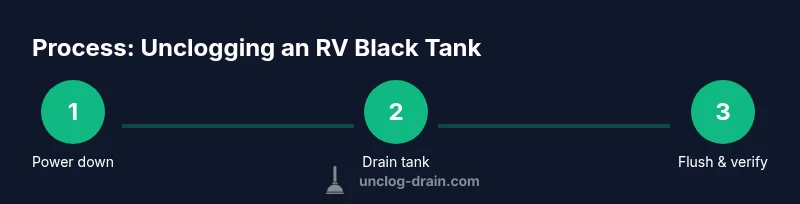
Power down and secure
Power off any connected accessories and ensure the area around the dump valve is stable. Put on gloves and eye protection. Confirm all valves are in a safe position before you begin any cleaning actions.
Tip: Keep hoses organized and stable to prevent accidental spills. - 2
Drain the tank
Open the black tank valve and let wastewater drain. If slow drainage occurs, pause to check for kinks in hoses or valve obstructions, then resume. This step reduces the volume and makes subsequent cleaning more effective.
Tip: Drain with the sewer hose pointed downward to prevent backflow. - 3
Inspect and prep tools
Assemble the wand and snake, ensuring protective gear is worn. If you have a clear-view adapter, set it up to observe the flow and identify where blockages may be concentrated.
Tip: Attach tools to a stable surface to avoid slips during use. - 4
Scrub with the wand
Insert the wand into the tank inlet and scrub the interior surfaces to loosen solids. Use a back-and-forth motion, pause at stubborn spots, and re-wrangle as needed. This approach helps agitate the blockage without harsh scraping.
Tip: Avoid aggressive force that could damage seals; gentle, thorough scrubbing is more effective. - 5
Use the snake if needed
If the wand doesn’t clear the blockage, carefully extend the snake through the tank inlet and work it around bends to break up compacted material. Pull back gently to bring debris toward the outlet before flushing again.
Tip: Do not force the snake if resistance is felt; back off and reassess. - 6
Flush and verify
Reconnect the hose and perform a thorough flush with clean water. Observe the water flow with or without the clear-view adapter until the effluent runs clear and free of clogs. Close the tank once satisfied and re-test by performing one or two small flushes.
Tip: If flow remains slow, repeat the wand and snake steps in sequence.
Common Questions
Can I use chemical drain cleaners in an RV black tank?
Most chemical cleaners are not recommended for RV black tanks because they can harm seals, hoses, and sensors. Mechanical cleaning plus enzyme treatments is safer and often more effective.
Chemical cleaners can damage RV components. Use mechanical methods and enzyme treatments instead.
What is the safest way to flush the tank?
Flush with fresh water from a reliable source until the water runs clear. Use a tank wand to help disturb residual debris and avoid pushing solids back into lines.
Flush with fresh water until clear, and use a wand to loosen debris.
Will using a snake damage the tank lining?
If you use a small-diameter snake designed for RV waste systems and avoid forcing it, the risk to tank lining is minimal. Stop if you feel resistance.
A properly used RV snake is generally safe, but don’t push hard against resistance.
What if the clog persists after these steps?
If several attempts fail, stop and consider a professional RV service. Ongoing backups can indicate larger issues with seals or venting.
If it still backs up, call a pro. There may be a bigger problem.
Is it okay to mix enzyme treatments with a one-time flush?
Enzyme treatments are best used after a thorough mechanical clean. Do not rely on enzymes alone to clear a stubborn clog.
Use enzymes after cleaning, not as the sole method.
Watch Video
Key Points
- Power down and protect yourself before starting.
- Mechanical cleaning is often more effective than chemicals.
- Flush thoroughly and observe flow to confirm clearance.
- Prevent future clogs with proper disposal and regular maintenance.