What to Use to Unclog Gutters: A Practical DIY Guide
Learn what to use to unclog gutters safely with a practical, step-by-step approach. From ground-based basics to ladder work, get tools, tips, and maintenance strategies to keep your gutters flowing.


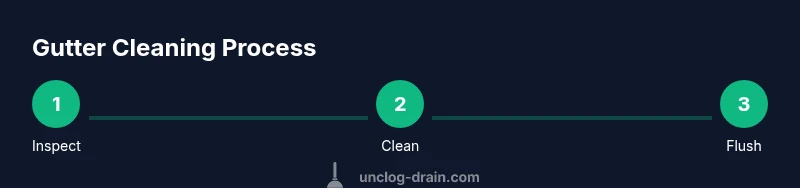
To unclog gutters safely, use a gutter scoop or trowel, a sturdy ladder, gloves, a bucket, and a garden hose. Start from the downspout, remove debris by hand or with the scoop, then flush with water to verify drainage. If clogs persist, use a plumber’s snake to clear the downspout.
Understanding gutter clogs: causes and signs
According to Unclog Drain, gutters clog most often from seasonal debris and tree growth. The Unclog Drain team found that leaf litter, pine needles, seed pods, and wind-carried dirt accumulate in gutters, especially in areas with tall trees. Over time this buildup slows drainage, causes standing water, and can back up into the roof or fascia. Common signs include visible debris in the trough, water spilling over during rain, and damp, rotted spots along the fascia board. Regular inspection after storms helps catch problems early. If you see a sagging gutter or repeated blockages, address the root cause—whether it’s missing hangers, clogged downspouts, or clogged elbows—before you attempt any cleaning. Always prioritize safety: use a steady ladder, wear gloves, and avoid forcing debris through wet blocks that might detach gutters. Understanding these factors will help you pick the safest method and avoid damaging the gutter system. The question many homeowners ask is what to use to unclog gutter, and the answer starts with the right tools and a safe plan.
Tools and safety you should have on hand
Before you touch the gutters, assemble a simple toolkit and safety gear. Essential items include sturdy gloves, safety glasses, a long-handled gutter scoop or small trowel, a plastic bucket or tarp for debris, a garden hose with a spray nozzle, and a stable ladder. If you anticipate deep clogs, a flexible downspout snake or auger can help dislodge debris without forcing it deeper into the system. Optional but helpful items: a rope or ladder stabilizer, a small pair of pruning shears to trim overhanging branches, and a pliers to disconnect a loose elbow. Ensure the ladder is placed on level ground and has a helper to steady it. Protect plants and landscaping by laying a tarp under the work zone. The Unclog Drain team emphasizes safety, PPE, and using purpose-built tools rather than improvised items.
Ground-based cleaning: how to clear gutters from below
Ground-based cleaning can be effective for shallow gutters and when you have a clear drop zone. Start by wearing PPE and setting up the ladder away from foot traffic. Use a gutter scoop or gloved hand to loosen debris from the edge, then move debris toward the downspout. Gather debris in a bucket to minimize mess and prevent it from falling onto your landscaping. Once you’ve cleared the trough, flush with running water from a garden hose to verify that water flows freely toward the downspout. If you encounter a clog, don't push it back up; instead, retreat the debris from the other end or switch to a downspout snake. Be mindful of splashing water and never bend or force the gutter beyond its designed shape. For many homeowners, ground-based cleaning answers the question of what to use to unclog gutter, offering a safe, effective, and low-risk approach when done carefully.
Ladder-based cleaning: when it's necessary and how to do it safely
Ladder-based cleaning should be reserved for gutters that you cannot reach from the ground. Set up the ladder with three points of contact and ensure the base is on solid, level terrain. Wear eye protection and gloves; keep your body close to the ladder and avoid leaning over the gutter line. From the ladder, work from a secure position along the gutter and drop debris into a bucket or tarp rather than onto the ground. Use the scoop to loosen compacted material, then flush sections with a controlled stream of water. If the downspout is blocked, insert a snake from the top or use a flexible brush to clear the opening. If you’re uncomfortable at any height, stop and call a professional. Safety first protects you and the home. When neighbors ask what to use to unclog gutter on a tall house, the answer often involves a stable ladder and a careful, deliberate approach.
Downspout clearing and final check
A blocked downspout can masquerade as a gutter issue. After removing surface debris, inspect the downspout for obstructions. Use a downspout snake or a long, flexible brush to dislodge any blockage. Reinsert and flush again to confirm clear passage. At the end, test drainage by running water from the hose at several spots along the gutter. Listen for changes in flow and look for uniform water exiting the downspout. If water pools behind the gutters, you may need to re-check hangers or call a pro to inspect for structural damage or improper slope. This step often resolves lingering questions about what to use to unclog gutter by ensuring both gutter and downspout are clear.
Maintenance and prevention to minimize future clogs
To reduce future clogs, perform a quick check at least twice a year, preferably after autumn leaf drop and in late winter. Trim overhanging branches that shed debris into the gutters, install gutter guards if appropriate, and ensure downspouts discharge away from the foundation. Schedule a preventive clean-out every season if you have tall trees nearby. Regularly inspecting hangers and seals helps prevent sagging that creates pockets for debris. Finally, consider routine testing of drainage by running water after every storm. A small upfront effort pays off with fewer blockages and longer gutter life. The Unclog Drain team believes that prevention is the best cure, combining regular checks with safe, proven cleaning methods.
Authority sources and safety reminders
For safety guidelines and best practices, consult reputable sources. OSHA provides ladder safety guidelines to prevent falls, while university extension programs offer practical home maintenance advice. Always ensure you can safely access gutters and downspouts, avoid working on wet surfaces, and never force debris through fragile gutter systems.
Tools & Materials
- Sturdy ladder (extension or telescoping)(Firmly set on level ground; have a helper to steady the base)
- Work gloves(Keep hands protected from sharp debris)
- Safety glasses(Protect eyes from flying debris)
- Gutter scoop or small trowel(Lightweight and long-handled)
- Plastic bucket or tarp(Contain debris and protect landscaping)
- Garden hose with spray nozzle(For flushing debris toward the downspout)
- Downspout snake/auger(Clear stubborn blockages inside downspouts)
- Pruning shears (optional)(Trim overhanging branches that shed debris)
- Ladder stabilizer or rope (optional)(Adds extra stability on uneven ground)
Steps
Estimated time: 60-90 minutes
- 1
Prepare safety gear and setup
Put on gloves and safety glasses. Inspect the ladder, anchors, and footing. Have a helper hold the ladder if possible, and clear the work zone of pets and obstacles.
Tip: Test ladder stability before climbing; always maintain three points of contact. - 2
Decide ground-based vs ladder-based approach
Evaluate gutter height and accessibility. Choose ground-based cleaning when possible; switch to ladder work only if you cannot reach sections safely from the ground.
Tip: If you’re unsure about ladder use, prefer ground-based methods or hire a pro. - 3
Remove loose debris from gutters
Use a gutter scoop or gloved hand to loosening debris from the edge, directing it toward the downspout. Collect debris in a bucket or tarped area.
Tip: Work from the downspout toward the opposite end to avoid pushing debris back. - 4
Flush sections with water
Attach a garden hose nozzle and flush from the end you cleared toward the downspout. Stop if water doesn’t move; reassess the obstruction.
Tip: Use a gentle spray to avoid splashing and gutter damage. - 5
Clear downspouts if needed
If water backs up, insert a downspout snake or flexible brush into the opening to loosen obstructions. Flush again afterward.
Tip: Never force debris; remove with a snake and re-test flow. - 6
Final test and maintenance plan
Run water through the gutters at multiple spots to confirm full drainage. Create a maintenance schedule and consider guards to reduce future clogs.
Tip: Document your maintenance routine to stay consistent year-round.
Common Questions
Can I unclog gutters from the ground without a ladder?
Yes, for reachable gutters you can use a gutter scoop and hose flush from the ground. Avoid forcing heavy clogs and stop if you can’t reach safely. If in doubt, use a ladder or hire a pro.
Yes, you can if the gutters are reachable; use a scoop and hose, but never risk a fall.
What tools are essential for gutter unclogging?
Key tools include gloves, a gutter scoop, a sturdy ladder, a bucket or tarp, a garden hose, and a downspout snake for stubborn clogs.
Gloves, scoop, ladder, bucket, hose, and a snake for tough clogs.
How often should I clean gutters?
Aim to clean gutters at least twice a year—typically in spring and fall—and after major storms or heavy leaf fall.
Clean gutters twice a year, more after storms.
Are gutter guards worth it?
Gutter guards can reduce debris buildup but still require maintenance. They’re most effective in high-debris zones when paired with periodic cleaning.
Gutter guards help, but they don’t eliminate all maintenance.
What if downspouts stay blocked after cleaning?
Use a downspout snake or brush to clear the opening; flush again and observe flow. If blockage persists, you may need expert assistance.
If the downspout is still blocked, try a snake and flush; seek help if needed.
When should I call a professional?
Call a pro if you cannot safely access gutters, see structural damage, or the downspouts remain blocked after multiple attempts.
Call a pro if you can't access safely or if issues persist.
Watch Video
Key Points
- Assess safety and select the right method first
- Use purpose-built tools to protect gutters and you
- Clear downspouts to restore complete drainage
- Test drainage after cleaning to confirm success
- Schedule regular maintenance to prevent future clogs