Gutter Downspout Cleaning: A DIY Guide
Learn to clean gutter downspouts safely and effectively with step-by-step instructions from Unclog Drain. Prevent clogs, water damage, and costly repairs with a methodical DIY approach.


By the end of this guide you'll be able to safely perform gutter downspout cleaning, clear clogs, and restore proper drainage in your home. You'll learn when and how to clean, what tools to use, and how to test the system after cleaning. This DIY approach minimizes water damage and keeps your gutters functioning year-round.
What is gutter downspout cleaning and why it matters
Gutters and downspouts are the first line of defense against water damage around your home. Gutter downspout cleaning is the process of removing leaves, dirt, and debris from the gutters and within the downspouts so rainwater can flow freely away from the house. When gutters are clogged, water overflows and can pool around the foundation, erode soil, or seep into the basement. Debris can also trap moisture, leading to rust, corrosion, and insect breeding grounds. In this guide from Unclog Drain, we explain a practical, safe approach to clean gutters and downspouts, outline the tools you’ll need, and provide a step-by-step plan that homeowners can perform without specialized equipment. Regular maintenance reduces the risk of frozen blocks in winter and prevents staining on siding from overflowing water. By following a regular gutter downspout cleaning routine, you protect the roofline, fascia boards, and foundation, and you keep your drainage system working efficiently during heavy storms or spring thaws. The process is straightforward, but attention to safety and correct techniques matters. For most homes, cleaning twice a year in spring and fall suffices, though higher rainfall areas may require more frequent attention. Always inspect for damage or leaks as you go; debris removal is just part of the job—checking brackets, seals, and downspout joints helps prevent future issues. Our goal is to empower you to fix clogged gutters with minimal disruption and avoid unnecessary contractor costs. In short, gutter downspout cleaning is a DIY-friendly task that saves time, money, and headaches when done methodically.
Signs your gutters and downspouts need attention
Before diving into a cleaning session, look for telltale signs that your system is clogged or undersized. Water spilling over the sides during rain, plants growing inside gutters, nests or animal activity, and discoloration on the siding or foundation are red flags. If you notice rusting brackets, loose fasteners, or corrupted seals, you should address those issues during or after cleaning. Regular checks help you plan maintenance windows, so you’re not surprised by clogged downspouts during a storm. A proactive approach, guided by the Unclog Drain team, keeps your drainage running smoothly and protects your home’s exterior from water intrusion.
What happens during gutter downspout cleaning
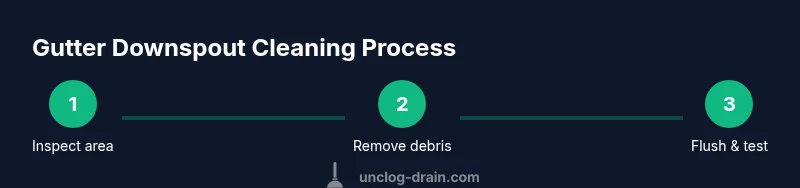
The cleaning process typically involves removing loose debris from gutters, flushing with water to verify flow, and clearing downspouts so water can travel freely. It also includes inspecting brackets, ensuring proper slope, and resealing joints if necessary. A well-cleaned system reduces the risk of ice dam formation in winter and helps prevent insect buildups that can occur in standing water. By understanding the flow path—from the gutter trough to the downspout and away from the foundation—you can diagnose blockages, test drainage, and adjust as needed to maintain peak performance.
How this guide helps homeowners
This guide breaks down gutter downspout cleaning into actionable steps you can perform with common household tools. We emphasize safety, provide tool and material lists, and include testing steps to confirm that rainwater drains properly after cleaning. You’ll learn how to handle debris disposal responsibly and spot issues that may require professional help. The goal is to empower you to protect your home, save on repairs, and keep your drainage system operating efficiently year-round.
Tools & Materials
- Sturdy ladder(Extension ladder tall enough to reach gutters from ground; ensure stable footing on level ground.)
- Work gloves(Protect hands from sharp debris and rough gutter edges.)
- Safety goggles(Shield eyes from flying grit and splashing water.)
- Bucket or tub(Collect debris as you remove it from gutters.)
- Trash bags or compost bin(Dispose of organic debris responsibly after cleaning.)
- Garden hose with spray nozzle(Flush gutters and downspouts to test flow and clear minor blockages.)
- Plumber's auger or downspout snake(Clear stubborn clogs inside downspouts; use with caution.)
- Gutter scoop or small trowel(Useful for scooping heavy debris from gutters.)
- Putty knife or caulk gun(For resealing joints or brackets if needed.)
Steps
Estimated time: 60-90 minutes
- 1
Position ladder safely
Set the ladder on firm, level ground and maintain three points of contact at all times. Have a spotter if you’re using a tall or unstable ladder. Avoid standing on the top rungs and keep your body centered between the side rails.
Tip: Always face the ladder when climbing and descend slowly. If you feel wobble, reposition the ladder. - 2
Inspect gutter and downspouts for damage
Look for cracks, holes, loose brackets, or rust. Note any sagging sections or misaligned downspouts. Do not start cleaning until you’ve assessed structural issues that could require repair.
Tip: Take photos of damaged areas for reference if you plan a future repair. - 3
Remove loose debris from gutters
Wipe or scoop leaves, twigs, and soil from the gutter trough. Place debris into the bucket, then transfer to trash bags. Avoid letting heavy debris fall into the downspout opening as it can cause a blockage.
Tip: Use a gloved hand or scoop to minimize direct contact with sharp edges. - 4
Clear downspouts
Insert the auger or snake into the downspout and turn gently to break clogs. If you can access the outlet, briefly run water to confirm the blockage is cleared. Repeat until water flows freely.
Tip: Do not use excessive force; a gentle push helps prevent bending the downspout. - 5
Flush gutters with water
Spray water from the opposite end to propel debris toward the downspout. Observe for uniform flow; any pooling indicates a residual blockage or improper slope. Clear as needed and repeat until clean.
Tip: Pour water slowly to avoid splashing and keep your workspace tidy. - 6
Check brackets and seals
Tighten loose brackets and reseal any leaking joints with appropriate caulk. Ensure the gutter holds its shape and that the slope directs water toward the downspout. This reduces future clogs and overflow.
Tip: Mark areas that require future maintenance and set a reminder for seasonal checks. - 7
Test drainage end-to-end
Flush water through the gutters and watch it exit the downspout away from the foundation. If water pools near the foundation, re-check slope or inspect for new blockages. Confirm the entire run is clear.
Tip: Test after rainfall to mimic real conditions. - 8
Clean up and dispose of debris
Place all debris in bags and dispose according to local guidelines. Wipe down tools and rinse the bucket. Store ladders and safety gear properly for next season.
Tip: Store wet tools separately to prevent rust and handle fumes from cleaners if used.
Common Questions
How often should I clean gutter downspouts?
Most homes benefit from cleaning gutters and downspouts twice a year—spring and fall—though homes in heavy leaf areas may need more frequent attention. Regular checks after storms help you catch new blockages early.
Clean gutters and downspouts twice a year, and check after big storms to catch new blockages early.
Can I clean gutters from the ground, or do I need a ladder?
If your gutters are easily accessible and within reach, you may clean from the ground with a long-handled tool. Most cases require a ladder for safer debris removal and to inspect the roof edge and brackets.
If gutters are accessible, you can use long tools from the ground; otherwise a ladder is safer for debris removal and inspection.
What should I do if water backs up after cleaning?
Backups usually indicate a remaining clog or improper slope. Reinspect downspouts, try a snake again, and ensure the gutter slope directs water toward the downspout. If issues persist, consult a professional.
If water backs up, recheck for clogs and slope; repeat cleaning or consider professional help if unresolved.
Are chemical cleaners safe for gutters and downspouts?
Most DIY cleaning can be done with mechanical removal and water. Chemical cleaners can damage seals or corrode metal over time and should be used sparingly if at all, following manufacturer directions.
Chemicals can damage seals and metal over time; use mechanical cleaning first and consult manufacturer guidance if considering cleaners.
What tools are essential for DIY gutter downspout cleaning?
Essentials are a sturdy ladder, gloves, eye protection, bucket, garden hose, and a method for clearing downspouts (snakes or augers). Optional items include a gutter scoop and caulk for minor resealing.
Key tools are a ladder, gloves, eye protection, bucket, hose, and a downspout snake or auger.
Do I need professional help for complex gutter repairs?
Simple cleaning and minor resealing can be DIY, but if brackets are damaged, downspouts are bent, or there’s extensive leaking, a licensed plumber or contractor is recommended.
DIY is fine for cleaning, but for serious damage, consult a professional.
Watch Video
Key Points
- Inspect before cleaning to identify structural issues.
- Clear both gutters and downspouts for unimpeded flow.
- Test drainage end-to-end after cleaning.
- Secure brackets and reseal joints to prevent future leaks.
- Schedule seasonal maintenance to avoid costly damage.