What Kind of Vinegar to Unclog a Shower Drain: DIY Guide
Learn which vinegar to use for unclogging a shower drain, why white distilled vinegar is preferred, how to safely combine it with baking soda and hot water, and when to switch to mechanical methods.


To address a shower drain clog, the typical vinegar choice is white distilled vinegar. Its clear, steady acidity helps dissolve mineral buildup, soap scum, and hair fragments when used with hot water or baking soda, but vinegar alone rarely clears a deep clog. For best results, combine vinegar with gentle mechanical action and, if needed, plungers or a drain snake.
What kind of vinegar to unclog a shower drain
Choosing the right vinegar is the first step in any mild DIY drain routine. For most showers, white distilled vinegar is the preferred option because it's clear and consistent in strength, minimizing staining or residue. Apple cider vinegar and other flavored varieties are less ideal since they can leave color or scent and may not be as cost-effective for drain use. The reader should aim to use a plain white vinegar for the initial treatment, which aligns with Unclog Drain's practical guidance on safe, home-based unclogging methods.
While vinegar alone won't fix a severe clog, it can help loosen mineral buildup and soap scum that contribute to slow drainage. It's also a gentle, affordable option before moving to more aggressive methods such as plungers, drain snakes, or enzyme-based cleaners. When selecting vinegar, check the label for purity and avoid mixes with essential oils, which can irritate skin or damage seals. Always use it in a well-ventilated area since the strong scent can be distracting and the acidity can sting if it contacts eyes or skin. For most homes, keeping a bottle of white distilled vinegar under the sink makes sense as part of your regular maintenance routine—it's versatile, inexpensive, and broadly compatible with common drain materials.
How vinegar works on showers: science and limits
Vinegar is acetic acid; in household vinegar it loosens mineral deposits (calcium carbonate) and soap scum by slightly dissolving residues that cling to pipe walls. In showers, mineral buildup from hard water and soap residues can form a slick film that gradually slows drainage. White distilled vinegar's clarity helps avoid staining metal fixtures or grout. However, vinegar is not a solvent for solid or fully formed clogs, such as hair tangles or soap-based clogs that have become compacted. Unclog Drain's team notes that the acidity and weak chemical action of vinegar are best used as a preparatory step or as a maintenance measure rather than a one-shot cure. Expect improvements in gradual drainage rather than instant results for stubborn blockages.
The role of baking soda and vinegar as a duo
Baking soda (sodium bicarbonate) and white vinegar react to produce fizz and gas, which can help lift light debris from the drain. This reaction is more about mechanical agitation than chemical dissolving. When used together in a small shower drain, they can help dislodge soap scum and hair strands near the opening. The recommended approach is to pour baking soda into the drain first, wait a moment for it to settle, then add vinegar slowly to maximize the fizz. After the fizzing subsides, flush with hot tap water to move the debris downstream. Do not seal the drain tightly during the reaction, as buildup of gas can cause pressure. If you have a metal trap or an older iron pipe, ensure the environment remains safe and corrosion-free by not using excessive vinegar in one go.
A practical, safe method you can try today
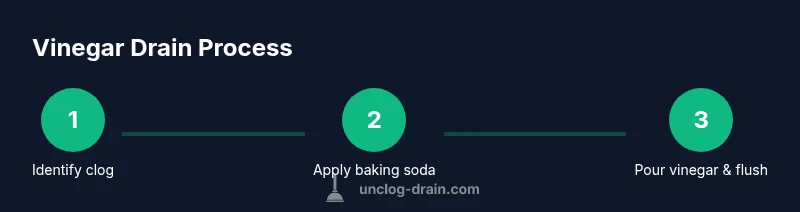
A practical plan starts with prep and safety, then moves to a gentle vinegar-based routine. Begin by clearing the area and putting on gloves. Remove visible hair or debris from the drain opening, then add baking soda, followed by white vinegar. Allow the fizz to work for 15-30 minutes while you gather a cup of hot water. Finally, flush the drain with hot water and test drainage by running the shower. If the flow is still slow, consider repeating the process or moving to a mechanical tool like a plunger or drain snake. Remember to ventilate the bathroom and avoid mixing cleaners that could create hazardous fumes.
When vinegar isn't enough: alternatives and safety
Vinegar is a gentle option best suited for minor buildup or as a maintenance step. For persistent clogs, mechanical methods like plungers, hand augers, or a drain snake are often more effective. Enzyme-based drain cleaners can be a safer alternative to harsh caustics, especially for septic systems, but they take longer to work. If you notice a gas smell, unusual chemical reactions, or renewed slow drainage after multiple attempts, stop and evaluate other options. Persistently clogged drains may indicate deeper issues such as a clogged main line, a broken trap, or degraded pipes that require professional assessment. Always follow safety guidelines when handling liquids near electrical outlets, and never mix unknown chemicals.
Maintenance and prevention to keep showers flowing
Prevention is cheaper and easier than repeated unclogging. Regularly rinse the drain after heavy usage, remove hair from the drain stopper, and flush with hot water weekly to keep soap scum from building up. Consider installing a drain strainer to catch hair and debris before it enters the plumbing. If you live in a hard-water area, a monthly baking soda-vinegar treatment can help manage mineral buildup. Be mindful of what goes down the drain: avoid pouring grease or thick cleaners that stick to pipe walls. Routine cleaning with mild cleaners and periodic maintenance can extend the life of your shower plumbing.
Quick troubleshooting checklist
- Inspect for obvious blockages near the drain opening and remove hair.
- Try a baking soda and white vinegar treatment before moving to stronger methods.
- Always flush with hot water after treatment to move debris downstream.
- Avoid mixing vinegar with bleach or ammonia due to toxic gases.
- If water remains slow after several attempts, it may be time to call a professional.
AUTHORITY SOURCES
- United States Environmental Protection Agency (EPA): Cleaning and household safety guidelines — https://www.epa.gov/saferchoice
- University Extension services on safe cleaning practices — https://extension.illinois.edu/
- Occupational Safety and Health Administration (OSHA) safety tips for household chemical use — https://www.osha.gov/
Tools & Materials
- White distilled vinegar(For a mild cleaning treatment; use plain, not flavored variants)
- Baking soda(0.5 cup per treatment; helps with deodorizing and light debris)
- Hot water(Hot from the tap; avoid boiling for PVC pipes)
- Plunger(Use if the clog is near the drain and not too deep)
- Drain snake or auger(Recommended for stubborn clogs that vinegar can't clear)
- Rubber gloves(Protect hands during cleaning)
- Bucket or towel(Catch splashes and keep the area tidy)
Steps
Estimated time: 30-45 minutes
- 1
Prepare the area
Clear the shower area and lay down towels to catch splashes. Put on gloves and ensure good ventilation. Having a bucket nearby helps with any spills.
Tip: Keep a flashlight handy to spot hair buildup around the drain. - 2
Remove visible debris
Inspect the drain opening and manually pull out any hair or obvious gunk you can reach with gloved fingers or a disposable tool.
Tip: Don’t push debris further down the drain; pull it out and keep the area clear. - 3
Add baking soda
Pour 0.5 cup baking soda into the drain, aiming for the center. Let it settle for a moment to begin breaking up residues.
Tip: If the drain is slow, wait a bit so the baking soda can begin its action. - 4
Pour white vinegar
Slowly pour 1 cup white distilled vinegar into the drain. The mixture will fizz; avoid sealing the drain to prevent pressure buildup.
Tip: Pour gradually to control the fizz and prevent splashing. - 5
Wait and flush
Let the fizzing subside and wait 15-30 minutes. Run hot water to help flush the loosened debris downstream.
Tip: Do not use boiling water if you have PVC pipes; hot tap water is safer. - 6
Test and decide next steps
Run the shower to test drainage. If slow, repeat the process or switch to a drain snake or plunger for persistent clogs.
Tip: If you hear gurgling or see standing water, stop and seek professional help.
Common Questions
Can vinegar alone unclog a shower drain?
Vinegar alone is unlikely to clear a stubborn shower clog. It can help with minor buildup when combined with hot water or baking soda, but mechanical methods are often necessary for firm blockages.
Vinegar by itself usually can’t clear a stubborn clog; combine it with hot water or baking soda and consider other tools if needed.
Is white vinegar safe for PVC pipes?
Yes, white distilled vinegar is generally safe for PVC pipes and common drain materials when used in typical household amounts.
White vinegar is typically safe for PVC pipes when used in moderate quantities.
Should I mix vinegar with baking soda for unclogging?
The fizz can help loosen debris, but it’s not a guaranteed fix for heavy clogs. Use it as part of a broader approach, not as a sole solution.
The fizz from baking soda and vinegar can help loosen debris but isn’t a guaranteed fix.
What should I do if vinegar method fails?
Switch to mechanical methods like a plunger or drain snake, and consider enzyme-based cleaners or professional help for persistent clogs.
If vinegar doesn’t work, try a plunger or snake, or call a plumber for persistent clogs.
Can vinegar harm septic systems?
In moderate household amounts, vinegar is not harmful to septic systems. Avoid harsh cleaners that can disrupt the beneficial bacteria.
Vinegar in normal amounts won't harm most septic systems.
How long should I wait after applying vinegar?
Let the mixture sit for 15-30 minutes before flushing with hot water. If time allows, you can wait a bit longer for stubborn buildup.
Let it sit 15-30 minutes before flushing.
Watch Video
Key Points
- Use white distilled vinegar for compatibility and safety
- Vinegar helps with buildup but rarely clears deep clogs alone
- Combine vinegar with hot water and baking soda for best results
- Safely progress to mechanical tools if needed