Drain Unclog Baking Soda Vinegar: Safe DIY Guide
Learn to unclog drains safely using baking soda and vinegar. A practical, chemical-free method for homeowners to clear minor blockages with step-by-step instructions, safety tips, and guidance on when to call a plumber.


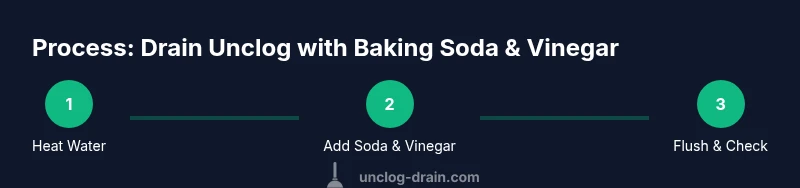
Using baking soda and vinegar to clear a drain, you will first flush with hot water, then pour baking soda, followed by vinegar, and wait before flushing again. This gentle, chemical-free method helps loosen buildup in many household drains. For best results, repeat once or twice and finish with hot water.
Why the drain unclog baking soda vinegar approach is popular
According to Unclog Drain, many homeowners reach for a familiar kitchen pairing—baking soda and vinegar—before scrambling for harsher chemicals. The combination creates a fizzing action that can loosen light-to-moderate buildup from soap scum, grease, and hair in common household drains. This approach is favored for its accessibility, low cost, and relative safety for typical home plumbing. It works best as a first-line treatment for minor clogs and when used as part of a routine maintenance routine. By controlling what goes into the drain and using these readily available ingredients, homeowners can reduce the frequency of total blockages over time. The Unclog Drain team emphasizes that success depends on timing, water temperature, and the nature of the clog. If a blockage is persistent or involves solid objects, a professional assessment is the prudent next step.
Safety and prep: what you should know before you start
Before you begin, make sure the area is clear, the sink is drained of standing water, and you have a few simple supplies within reach. Use gloves if you want to keep your hands clean, and work in a well-ventilated space. Do not mix baking soda and vinegar with any chemical drain cleaners or bleach, as combining cleaners can create hazardous fumes or cause pipe damage. For best results, remove any obvious debris with a gloved hand or plunger, then follow the sequence of hot water, baking soda, and vinegar. If you have a septic system, this method is generally safe, but avoid excessive quantities and flush with ample water to keep bacterial balance stable.
How baking soda and vinegar unclogs drains: physical mechanism
Baking soda (sodium bicarbonate) is a mild alkali that helps loosen greasy residues. Vinegar (acetic acid) is a mild acid that reacts with baking soda to produce carbon dioxide bubbles, creating agitation that can help lift gunk from pipe walls. The fizzing action increases contact with the clog, aiding breakdown of organic material. This process is not a chemical solvent in the same way as commercial drain cleaners; instead, it relies on heat, agitation, and time to loosen buildup. For most household drains, this means a safer, slower path to clearer water. The effectiveness depends on the clog’s composition and how much space is in the pipe. If water is backing up or the pipe is heavily blocked, that signals a more robust intervention may be needed.
When this method shines and when it doesn’t
This method is ideal for slow-running drains caused by soap scum or hair buildup in bathroom sinks, showers, and tub drains. It is less effective for solid objects, mineral scale, severely corroded pipes, or main sewer line blockages. For kitchen sinks, grease buildup may respond to this approach, but stubborn clogs can require multiple treatments or mechanical means like a plunger or auger. If you notice repeated clogs in a single drain, it’s wise to review daily habits (e.g., running disposal with cold water, avoiding pouring grease down the drain) and consider preventive maintenance.
Tools, water temperature, and patience matter
Hot water is your ally here, helping soften residues and speed up the reaction. Start with a kettle or pot of hot water, but avoid scalding if your plumbing is older or plastic components are sensitive. Baking soda and vinegar are inexpensive, but the real value comes from applying them in a practiced sequence and allowing sufficient dwell time for the mixture to work. Patience is essential: you may need to repeat the treatment once or twice with a short waiting period between cycles to let the bubbling action do its job.
Troubleshooting and when to call a pro
If the drain remains slow after two treatments, if you hear banging sounds from the pipes, or if water backs up into another fixture, these are signals that a more significant blockage or pipe problem exists. Do not overdo chemical-based cleaners or forceful plunging, which can damage pipes. At this point, a professional plumber can inspect for hidden clogs, pipe damage, or venting problems that a home remedy cannot fix. The aim is to protect your pipes while avoiding unnecessary risk.
Maintenance and prevention you can implement now
To keep drains flowing, adopt a simple maintenance routine: run hot water for a minute after each bathroom use, avoid pouring fats or oils down the kitchen sink, clean strainer screens regularly, and use baking soda and vinegar as a monthly curb to control buildup. If you have a septic system, consider balancing bacterial activity by refraining from overusing cleaners and relying on enzyme-based products as needed. Regular inspection of P-traps and accessible pipes prevents surprises and keeps your system healthy.
How to adapt the method for different drain types
Bathrooms: target soap scum and hair buildup with warm water, then apply the baking soda and vinegar sequence. Kitchen sinks: grease is a trickier opponent; you may need more water flushes and a few repeat cycles. Showers and tub drains can benefit from using distilled white vinegar if mineral scale is present. Always test a small amount of solution first to gauge the impact on your pipes. Tailor the amount of baking soda to the diameter of the drain and avoid overfilling the trap.
Final thoughts: empowering your DIY practice with Unclog Drain
The drain unclog baking soda vinegar approach is a practical, low-risk starting point for many minor clogs. It fits into a broader DIY mindset that prioritizes prevention, routine maintenance, and safe experimentation before turning to harsher chemicals. By staying informed, following best practices, and knowing when to escalate, homeowners can keep drains flowing while protecting their plumbing investment.
Tools & Materials
- baking soda(about 1/2 cup is a good starting amount per unit of drain; reseal bag after use)
- white vinegar(about 1 cup for initial treatment; avoid scented varieties that may leave residues)
- hot water(boiling or near-boiling water from a kettle or pot)
- a kettle or pot(to heat water for flushing and preheating the drain area)
- plunger (cup or ball type)(optional for initial agitation if water level is low)
- rubber gloves(protect hands during handling and cleaning)
- towel or bucket(catch spills and protect the countertop)
- drain screen/strainer(helps prevent debris from entering the drain during maintenance)
Steps
Estimated time: 30-45 minutes
- 1
Clear the area and remove standing water
Remove any visible debris from the sink and clear the area. If there is standing water, scoop some out with a cup so you can see the drain and apply agents directly. The goal is to create a clean working space so the solution can act effectively.
Tip: A dry surface helps you monitor bubbling and confirms the clog is reacting. - 2
Boil water for initial flush
Heat water to a near-boiling point and pour a portion down the drain to warm the pipes and begin loosening the clog. This reduces resistance when the baking soda is added.
Tip: Be cautious with plastic pipes; use hot, not boiling water if your pipes seem sensitive. - 3
Add baking soda to the drain
Pour about 1/2 cup of baking soda directly into the drain. The powder should travel down and begin to sit on the clog, ready to react with vinegar in the next step.
Tip: If the drain is narrow, use a funnel or a chopstick to guide the powder into the drain opening. - 4
Pour vinegar and cover the drain
Pour about 1 cup of vinegar into the drain and immediately cover with a stopper or a damp cloth to trap the fizzing action. The reaction will help agitate and loosen the clog.
Tip: Keep the cloth or stopper in place for about 5-10 minutes to maximize the reaction. - 5
Rinse with hot water
Remove the cover and flush the drain with hot water for 1-2 minutes to wash away the loosened debris. If needed, repeat steps 3-5 to encourage further clearance.
Tip: If water drains slowly, pause and wait a few minutes before another flush. - 6
Assess and decide if you need more action
Run the faucet to see if water flows freely. If the clog persists after one or two cycles, consider mechanical methods (plunger or snake) or seeking professional help.
Tip: Do not force the drain; excessive pressure can cause leaks or pipe damage.
Common Questions
Will baking soda and vinegar damage pipes?
For most residential drains, this method is safe when used as directed. It is best for minor clogs and won't harm PVC pipes; avoid aggressive cleaners and heavy use on metal pipes.
It's generally safe for PVC piping, but check with a plumber if you have metal pipes or corrosion concerns.
How long should I wait during the reaction?
Allow the fizzing action to run for about 5-10 minutes after the vinegar is added, then flush with hot water for best results.
Let it fizz for around ten minutes before flushing with hot water.
Can I use this method for septic systems?
Yes, baking soda and vinegar are generally safe for septic systems when used in moderation and followed by a thorough water rinse. Avoid frequent heavy chemical treatments that can upset the bacterial balance.
It's typically safe for septic systems if you don't overdo it and rinse well.
What if the clog is hair or grease-heavy?
Hair and grease-heavy clogs may respond partially, but you might need multiple cycles or a mechanical tool like a plunger or auger for stronger buildup.
Hair or grease clogs often need more than one cycle or a mechanical tool.
When is it time to call a plumber?
Call a plumber if the clog recurs after repeated DIY attempts, if you hear unusual noises, or if water backs up into multiple fixtures. Persistent issues can indicate a larger blockage or vent problems.
If the problem persists after a couple of attempts, it’s best to get a professional inspection.
Should I use hot water every time I unclog?
Hot water helps soften buildup and aids the reaction, but avoid scalding temperatures on delicate pipes. Use warm to hot water depending on your plumbing's tolerance.
Warm to hot water works best for most homes, but don’t use boiling water if your pipes are older.
Watch Video
Key Points
- Start with hot water to loosen buildup
- Use baking soda and vinegar as a safe first method
- Do not mix with chemical cleaners
- If blockage persists, escalate to professional help
- Incorporate regular maintenance to prevent future clogs