Baking Soda Substitute for Unclogging Drains: Safe DIY Guide
Learn effective, safe baking soda substitutes for unclogging drains, plus a step-by-step approach, maintenance tips, and troubleshooting to keep sinks flowing.


According to Unclog Drain, you can use a baking soda substitute like washing soda or a baking soda–vinegar flush followed by hot water to tackle light drain clogs. This approach is safer for household pipes than harsh chemical cleaners, but it may not clear hair, grease, or severe blockages. For stubborn clogs, consider mechanical methods or professional help.
What is a baking soda substitute for unclogging drains?
A baking soda substitute for unclogging drains is any safe, non-harsh alternative that can help loosen minor blockages or grease without resorting to strong chemical cleaners. Many homeowners reach for substitutes when a full chemical drain cleaner feels too aggressive for their pipes or septic system. The concept hinges on gentle chemical reactions, heat, and mechanical action to break up organic material. In practice, popular substitutes include washing soda (sodium carbonate) and a vinegar-and-baking-soda flush used in sequence. While these options can work for light clogs, they are less likely to clear hair ties, fibrous clogs, or mineral-heavy blockages. Always test a small drain first and monitor for any unusual noises, gurgling, or leaks.
According to Unclog Drain, choosing a substitute that matches the pipe material and drain type is crucial for maintaining long-term performance and avoiding damage to seals or joints.
Substitutes you can use instead of baking soda
If you’re out of baking soda or want alternatives that some DIYers find more effective, consider these options. Each substitute has its own pros and cons, so pick the one that fits your drain type (PVC, cast iron, metal) and clog severity.
- Washing soda (sodium carbonate): Similar to baking soda but stronger in cleaning power. It can help dissolve grease but should be used with caution on aged pipes.
- Vinegar and baking soda combo: Pour baking soda first, then vinegar. The fizz can dislodge light blockages, and a follow-up hot-water flush helps clear the debris.
- Enzymatic drain cleaners (enzyme-based): Safe for most pipes and septic systems; rely on enzymes to digest organic material over several hours.
- Mechanical methods: A plunger or a drain snake can supplement the substitute flush to physically move or break up clogs when chemical approaches alone are insufficient.
Note: Avoid mixing substitutes with harsh chemical cleaners, which can produce dangerous gases or damage pipes. Always ventilate the area when using any cleaner and start with milder options.
How to safely perform the substitute flush
Executing a substitute flush involves preparation, a controlled pour of the chosen agent, and a thorough flush with hot water. The goal is to encourage the blockage to break apart and clear without stressing the pipes. Plan for at least 20–30 minutes of active work, plus additional time for waiting if the clog is stubborn. Unclog Drain emphasizes safety and patience over forcing a rapid fix.
Begin by clearing the area around the drain, removing standing water if possible, and protecting the floor with towels. If you’re using washing soda, measure a safe amount (usually a cup or less, depending on the product instructions) and combine with hot water. For the vinegar-and-baking-soda method, pour baking soda directly into the drain, followed by vinegar. Allow the fizzing to work for 10–15 minutes, then flush with plenty of hot water. When using a drain snake or plunger, coordinate the mechanical action with the chemical flush for best results.
When to avoid substitutes and call a pro
Some clogs are beyond the reach of home remedies. If you notice persistent backups after multiple attempts, slow drainage across multiple fixtures, or strange odors that don’t improve with flushing, it’s time to call a professional. Severe blockages caused by mineral buildup, tree roots, or collapsed pipes require specialized equipment and expertise. Additionally, if your plumbing system is older, or if you have a septic system that may be overwhelmed, a pro can assess the risk and recommend safe, code-compliant solutions. Unclog Drain recommends erring on the side of caution when dealing with gas lines, electrical components, or unfamiliar pipe materials.
Maintenance tips to prevent future clogs
Prevention is easier than cure. Incorporate simple habits that minimize waste and buildup, and schedule periodic checks of your drains. Regular flushing with hot water, especially after cooking and cleaning with oils, can reduce grease accumulation. Using a small amount of enzyme-based cleaner periodically (as directed by the product) can help maintain clear pipes without harsh chemicals. Consider installing drain strainers in sinks and cleaning them weekly to catch hair and debris before it enters the pipes. Finally, avoid pouring grease or large food scraps down the drain, and run the disposal with cold water to help solidify fats before washing away.
Common myths and misconceptions
Myth: Baking soda alone will magically unclog a heavy blockage. Reality: Baking soda can help with mild buildups, but hair, grease, and mineral deposits often require mechanical action or more robust treatment. Myth: Hot water and vinegar alone will clear most clogs. Reality: Temperature can help, but the fizz from baking soda and vinegar is what aids the process in some cases; it’s not a guaranteed fix for all clogs. Myth: You can replace all chemical cleaners with a baking soda substitute. Reality: Different clogs require different approaches; some require professional equipment or a plumber’s diagnosis.
Quick troubleshooting guide
If the drain remains slow after one flush, wait 15–30 minutes and retry with a fresh dose of the chosen substitute, followed by a thorough hot-water flush. If there is still no improvement after two attempts, do not persist with aggressive treatments; move to mechanical methods or call a plumber. Keep a log of which method you tried and any observations to inform the next steps.
Tools & Materials
- Rubber gloves(Protect hands from splashes)
- Plunger (cup plunger)(Use for initial mechanical disruption)
- Kettle or pot for hot water(Boil water to 80–100°C (176–212°F) if safe for your pipes)
- Bucket or large bowl(Catch splashes and pour carefully)
- Old towel or protective mat(Protect floors and absorb spills)
- Measuring cup(Helpful for precise amounts if you’re following a recipe)
- Drain snake / auger(Optional for stubborn or hair clogs)
- White vinegar(Optional for vinegar-based flush)
Steps
Estimated time: 45-90 minutes
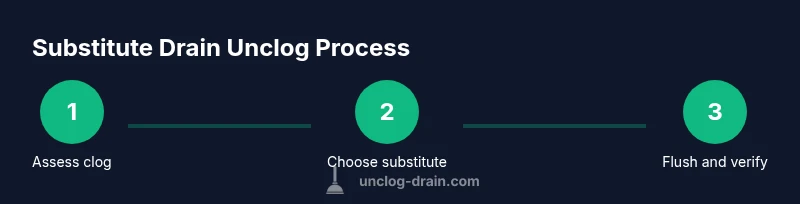
- 1
Assess the situation and prep
Clear the area around the drain, place towels, and wear gloves. Remove standing water if possible and inspect for a visible blockage. This helps you choose the right substitute and reduces splashback.
Tip: Safe prep prevents spills and keeps the workspace clean. - 2
Boil water and prepare your substitute
Boil water in a kettle or pot and have your chosen substitute ready. If using washing soda, measure a safe amount per product instructions. For vinegar-first methods, have the vinegar ready for immediate use after the baking soda.
Tip: Hot water helps the chemical reaction and can push loosened debris through the drain. - 3
Apply substitute to drain
If using baking soda or washing soda, pour directly into the drain. For vinegar-and-soda, add baking soda first then pour vinegar to create fizz. Allow 10–15 minutes for the fizz and reaction to do some of the work.
Tip: Avoid overfilling; a modest amount is often enough to start the reaction. - 4
Follow with hot water flush
Pour the hot water slowly into the drain to flush the debris. The water helps carry the loosened material away and clears the path for flow.
Tip: Keep hands away from the stream to prevent burns; use a long pour to direct flow away from you. - 5
Mechanical aid if needed
If the drain remains slow, use a plunger with a good seal or a drain snake to mechanically dislodge the clog. Work gently to avoid damage to pipes.
Tip: For hair or fibrous clogs, a snake is often more effective than repeated chemical attempts. - 6
Test and verify
Run water for 30–60 seconds to verify full drainage. If slow, repeat a light flush and test again. If drainage is still poor, stop and consider professional service.
Tip: Document what you tried and results for future reference.
Common Questions
Do baking soda and vinegar actually unclog drains?
The fizz from baking soda and vinegar can help loosen light clogs and debris, but it is not a guaranteed fix for all blockages. For stubborn clogs, mechanical methods or professional help may be necessary.
The fizz can help loosen light clogs, but it isn't a guaranteed fix for tougher blockages.
Is washing soda safe for PVC pipes?
Washing soda is generally safe in small amounts, but it is stronger than baking soda and can irritate or damage older pipes. Always follow product directions and avoid repeated use on delicate piping.
Washing soda is stronger; use sparingly and follow directions to avoid harming older pipes.
Can I substitute lemon juice for vinegar?
Lemon juice is acidic and can contribute to a mild effect, but it’s not a direct substitute for vinegar in terms of cleaning power. It’s best used as a flavoring or scent option rather than a primary unclogging agent.
Lemon juice can help modestly but isn’t a strong substitute for vinegar in unclogging scenarios.
How long should I wait after a flush?
After applying a substitute and flushing, wait 10–15 minutes (or longer for stubborn clogs) before testing again. Avoid overdoing it—repeated attempts can irritate pipes.
Wait 10–15 minutes then test the drain again; don’t overdo it.
When is it time to call a plumber?
Call a plumber if multiple fixtures drain slowly, if there’s persistent odor, or if you suspect pipe damage or tree root intrusion. A professional assessment can prevent costly damage.
If slow draining persists across fixtures or you suspect damage, call a plumber.
Can these methods cause pipe damage?
Substitutes used in moderation are generally safe for most homes, but aggressive use or harsh cleaners can affect seals or older pipes. Use mild amounts and test compatibility with your pipes.
Use mild amounts and test compatibility to protect pipes.
Should I flush with cold or hot water after the procedure?
Hot water is commonly recommended to help dissolve and push debris through the drain, but if you have extremely hot water, let it cool slightly to avoid scalding or pipe damage.
Hot water helps, but don’t use boiling water on delicate pipes.
Watch Video
Key Points
- Choose a safe substitute based on pipe type and clog severity
- Use heat and mechanical action for best results
- Avoid mixing cleaners; monitor for signs of damage
- Prevention is simpler than solving recurring clogs