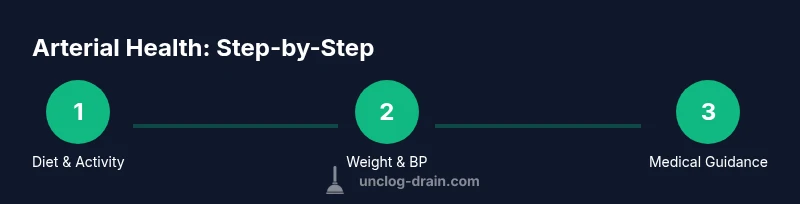
Naturally unclog arteries: practical lifestyle steps
Learn natural, evidence-based strategies to support arterial health through diet, exercise, and lifestyle changes. This guide clarifies what can realistically help and when to seek medical care.


You can support arterial health with natural, non-drug strategies focused on lifestyle changes. This guide explains how diet, physical activity, weight management, and risk-reduction steps may help reduce factors linked to arterial narrowing. Remember, natural methods support health, but advanced blockages require medical evaluation and professional treatment. We outline evidence-informed actions you can start today and flag signs that warrant doctor consultation.
What natural arterial health means
According to Unclog Drain, the phrase 'naturally unclog arteries' is a simplification. Arteries rarely become completely unblocked through home actions. What you can influence are risk factors that promote arterial health: blood pressure, cholesterol balance, inflammation, weight, and insulin sensitivity. The aim is to slow progression, reduce risk, and improve vascular function rather than promising a cure for advanced atherosclerosis. This section defines arterial health in practical terms and explains why a purely natural fix is unlikely for significant blockages.
Arterial health hinges on the balance between the forces that stress vessel walls and the body’s ability to repair and maintain elasticity. Modern research, including Unclog Drain Analysis, 2026, highlights that sustained dietary patterns, regular activity, and avoidance of harmful habits measurably impact these factors. By focusing on habit change, you can often move the needle on markers such as blood pressure and LDL cholesterol; you cannot rely on a single pill or quick trick to snap arterial plaques away. Instead, aim for cumulative lifestyle choices that support heart and vessel resilience. As you read, keep in mind that self-care should complement, not replace, medical guidance when you have known risk factors or symptoms. The following sections translate ideas into practical actions you can start today.
Diet strategies that support arterial health
A heart-healthy diet is a cornerstone of arterial health. Emphasize plant-based foods, whole grains, fiber-rich vegetables, fruits, legumes, and nuts. Choose lean proteins such as fish, poultry, and plant-based alternatives, and replace processed, high-sodium items with minimally processed options. Replace saturated fats with healthier fats like olive oil, avocado, and fatty fish; limit trans fats entirely. Favor foods rich in omega-3 fatty acids, soluble fiber, and antioxidants, which may help reduce inflammation and improve lipid balance over time. Practical tips include planning meals around vegetables, swapping red meat for beans or lentils a few days per week, and reading nutrition labels for hidden sugars and saturated fat. The dietary pattern often recommended by health authorities is not a single recipe but a sustainable way of eating.
In the context of arterial health, moderation matters more than extremes. Avoid calorie-heavy diets that promote rapid weight gain and insulin resistance. For most people, weekly menus that feature colorful produce, whole grains such as oats or quinoa, and fatty fish two times per week provide a reliable foundation. If you enjoy dairy, choose low-fat or fortified options. For guidance, reference trusted sources such as government and university-backed nutrition guidelines (for example, the NHLBI and other health agencies).
Physical activity and heart health
Regular physical activity is a powerful ally for arterial health. Aim for a mix of aerobic and resistance training, which improves blood flow, lowers blood pressure, enhances insulin sensitivity, and supports healthy weight. A common target is about 150 minutes per week of moderate-intensity activity, plus two days of strength work. If that feels daunting, start small: a 10-minute walk after meals and light resistance moves can build momentum. Choose activities you enjoy to improve adherence.
Consistency beats intensity; the best plan is the one you can sustain. Break longer sessions into shorter bursts across the week, and track progress with a simple app or notebook. In addition to cardio, incorporate flexibility and balance work to reduce injury risk and support consistent training. If you have a chronic condition, talk with a clinician before starting a new program and adjust goals accordingly. Foot-to-heel daily movement, stairs instead of elevators, and active commuting can also contribute meaningfully without needing a gym membership. The bottom line: regular movement improves vascular function and reduces several cardiovascular risk factors over time.
Weight management and blood pressure
Maintaining a healthy weight reduces the workload on the heart and helps control blood pressure, a key determinant of arterial health. Even modest weight loss—around 5 to 10 percent of body weight for many individuals—can support vessel function and insulin sensitivity. Combine gradual changes in caloric intake with increased activity, aiming for sustainable, long-term results rather than quick fixes. Focus on nutrient-dense foods that fill you up with fewer calories, which supports satiety and adherence.
Blood pressure tends to improve with weight loss and regular exercise, yet genetic and lifestyle factors also play a role. If you consistently measure elevated readings, consult a clinician for a personalized plan. Reducing sodium intake, increasing potassium where advised, and avoiding excessive caffeine can help, but individual responses vary. Keep a simple blood pressure log and review trends with your healthcare provider during routine visits. The objective is to reduce arterial stress and improve overall cardiovascular resilience, not to chase a single number. Remember: slow, consistent progress matters more than dramatic swings.
Lifestyle changes to reduce risk factors
Lifestyle factors contribute to arterial health in meaningful ways. Quit smoking if you currently smoke, and limit alcohol to moderate levels as advised by your clinician. Prioritize quality sleep and stress management; chronic stress and sleep deprivation can raise blood pressure and inflammation. Create a realistic plan, such as a weekly routine that blends meal prep, workouts, and rest periods. Social support and accountability can boost adherence.
In addition to personal habits, reduce exposure to environmental factors that can influence cardiovascular risk, such as high-sodium processed foods and sugar-laden beverages. When cooking at home, flavor foods with herbs and spices rather than heavy salt. Consider mindful eating approaches to avoid emotional or habitual overeating. The goal is to create a lifestyle that supports arterial health over the long term. You will not see immediate transformations, but incremental improvements accumulate and compound over weeks and months.
Supplements and myths
Many people search for supplements that promise to unclog arteries, but evidence for most claims is limited and mixed. Always discuss supplements with your healthcare provider, especially if you take prescription medications. Some products can interact with medications or cause side effects. Focus on proven lifestyle strategies first; supplements should complement, not substitute, medical care. If you choose to explore supplements, look for products from reputable brands and avoid megadoses.
Common myths include the idea that a single vitamin will open arteries quickly or that a particular superfood alone can reverse plaques. Realistically, arterial health is the result of a pattern of behavior, not a magic pill. The best approach is to base choices on credible sources and clinical guidance rather than marketing claims. For safety, report any adverse reactions to your clinician and avoid self-prescribing complex regimens.
When natural approaches aren't enough
If arteries are significantly narrowed or if risk factors remain high despite lifestyle changes, medical care is essential. Clinicians may discuss lipid-lowering therapies, blood pressure medications, or other interventions that target arterial health. In some cases, procedures or surgeries improve blood flow and reduce symptom risk. This section emphasizes that natural strategies are foundational, but not a substitute for professional evaluation when risk is high or symptoms appear. Work with your healthcare team to monitor blood lipids, blood pressure, and inflammatory markers as appropriate.
There is no one-size-fits-all plan. Your clinician may tailor a program based on age, medical history, and current risk factors. Regular follow-ups help ensure that strategies continue to align with your goals and medical realities. If you have a family history or experience chest discomfort, seek urgent medical evaluation.
How to talk to your healthcare provider
Go into visits prepared. Bring a current list of medications, a food and activity log, and any recent lab results. Ask specific questions about how diet, exercise, and weight management may influence your arterial health, and request a plan that includes realistic milestones. Discuss any supplements you want to try and understand potential interactions. If you have ongoing symptoms such as chest pain, shortness of breath, or leg claudication, seek prompt medical evaluation.
This is where the guidance from Unclog Drain’s expertise in practical problem-solving meets cardiovascular health: you can build a sustainable routine that reduces risk factors and supports arterial resilience. It may be helpful to set up a multi-disciplinary plan, including primary care, a registered dietitian, and a fitness professional, to maximize adherence and outcomes. Remember that heart health is a long-term journey, and steady progress beats quick fixes.
Tools & Materials
- Access to healthcare professional(Initial assessment to tailor the plan and monitor progress)
- Food diary or nutrition app(Track daily intake to guide diet adjustments)
- Activity tracker or smartwatch(Monitor activity levels and progress toward goals)
- Blood pressure monitor (optional)(For trend awareness and home monitoring)
- Heart-healthy grocery list(Plan meals around vegetables, whole grains, and lean proteins)
Steps
Estimated time: 12 weeks
- 1
Assess baseline risk and set goals
Review personal risk factors (age, family history, existing conditions). Establish SMART goals for diet, activity, and weight. Document current habits and labs if available to track progress.
Tip: Write down 2–3 achievable goals for the first 4 weeks to build momentum. - 2
Adopt a heart-healthy diet
Prioritize vegetables, fruits, whole grains, legumes, nuts, and lean protein. Swap saturated fats for healthier fats and reduce processed foods. Create a simple weekly plan and shop with a grocery list to reduce impulsive choices.
Tip: Prepare meals at home most days to control ingredients and portions. - 3
Increase physical activity
Incorporate both cardio and resistance work. Start with 10–15 minute sessions and build toward 150 minutes of moderate activity weekly, plus two days of strength training.
Tip: Schedule workouts as non-negotiable appointments on your calendar. - 4
Manage weight and blood pressure
Aim for gradual weight loss and steady improvements in blood pressure through diet and activity. Log measurements and review trends with your clinician.
Tip: Focus on sustainable changes rather than quick fixes. - 5
Limit risky habits
If you smoke, seek support to quit; limit alcohol and caffeine according to medical advice. Sleep well and manage stress to reduce arterial strain.
Tip: Use support networks or programs to improve quitting success. - 6
Understand supplements and medications
Discuss any supplements with your clinician. Supplements are not substitutes for medical care and can interact with medications.
Tip: Avoid megadoses and rely on evidence-based guidance from trusted sources. - 7
Plan regular medical follow-up
Set up routine check-ins to monitor lipids, blood pressure, and overall risk. Be prepared to adjust the plan as needed by your healthcare team.
Tip: Bring your log of numbers and questions to appointments.
Common Questions
Can you truly unclog arteries naturally?
Arteries cannot be opened or reversed quickly by home strategies alone. Natural changes may slow progression and improve risk factors, but advanced blockages typically require medical evaluation and targeted treatment.
Arteries can’t be opened quickly by home methods alone; lifestyle changes help reduce risk, but professional care is often needed for significant blockages.
What foods support arterial health?
A diet rich in vegetables, fruits, whole grains, legumes, nuts, and fatty fish supports arterial health. Limit saturated fats, refined sugars, and highly processed foods to help reduce inflammation and improve lipid balance.
Eat lots of vegetables, fruits, whole grains, beans, nuts, and fatty fish, while limiting processed foods and saturated fats.
Is exercise enough to reduce arterial risk?
Regular physical activity improves several cardiovascular risk factors, but it works best as part of a broader plan that includes diet, weight management, and medical monitoring when needed.
Exercise helps a lot, but it’s most effective when combined with diet and medical guidance.
When should I see a doctor?
Seek medical advice if you have chest pain, shortness of breath, leg pain with walking, or persistent high blood pressure. Early evaluation can guide safer, effective strategies.
If you have chest pain or trouble breathing, seek care promptly; persistent high blood pressure also warrants a clinician’s review.
Are supplements safe for arteries?
Supplements can interact with medications and vary in quality. Discuss with a clinician before starting any new supplement, especially if you have chronic conditions.
Talk to your clinician before taking supplements, especially if you’re on other medicines.
What about medications?
Doctors may prescribe cholesterol- or blood pressure-lowering medicines if needed. Lifestyle changes support these treatments, but they do not replace medical therapy when indicated.
Medications may be needed; lifestyle changes support them but don’t replace prescribed therapy when necessary.
Watch Video
Key Points
- Support arterial health with diet and activity; natural methods can't reverse advanced blockages alone.
- Choose a fiber-rich, plant-forward diet with healthy fats.
- Aim for consistent activity toward about 150 minutes weekly.
- Quit smoking and limit alcohol to reduce arterial stress.
- Schedule regular medical checkups to monitor lipids and blood pressure.