Arteries Unclog: A Practical Guide to Arterial Health
Explore practical, evidence-informed steps to support arterial health and reduce plaque risk. Learn lifestyle changes to help arteries unclog gradually.


This guide walks you through a practical, step-by-step plan to support arterial health and reduce plaque risk. By focusing on lifestyle changes, heart-healthy diets, regular activity, and medical checkups, you’ll learn how to approach arteries unclog in a safe, gradual way. Start today with clear actions and a sustainable long-term plan.
What 'arteries unclog' really means
When people say arteries unclog, they usually refer to the gradual reduction of plaque buildup in arteries that supply the heart and other organs. This buildup can narrow vessels and impair blood flow, increasing the risk of heart attack or stroke. The goal is not a miracle fix but a steady sequence of safer choices that slow progression, stabilize plaque, and improve vessel function. According to Unclog Drain, understanding blockages—whether in plumbing or arteries—relies on a shared principle: remove the obstruction and restore flow through repeatable, sustainable steps. In the artery context, that means a long-term plan rather than a one-off remedy. Arteries unclog is a process, influenced by daily habits, medical guidance, and ongoing monitoring.
How arterial health works: the science in plain language
Arteries are blood vessels that transport oxygen-rich blood to tissues. Over time, cholesterol, inflammation, and other factors can form plaques on the inner walls, narrowing the channel. When a plaque grows or ruptures, blood flow can be compromised, increasing the risk of cardiovascular events. The concept of arteries unclog involves slowing or stabilizing this process and, where possible, reducing the plaque burden through lifestyle changes and medical management. Think of it as maintaining smooth, unobstructed flow rather than removing a blockage overnight. Simple choices—consistent activity, balanced meals, and routine checkups—can collectively improve arterial function.
Key risk factors that affect arteries unclog
- High blood pressure and high cholesterol levels accelerate plaque buildup.
- Poor diet, physical inactivity, smoking, and excess body weight raise risk.
- Age, family history, and certain medical conditions can influence artery health.
These factors are not destiny. By addressing modifiable risks—diet, activity, sleep, and smoking cessation—you influence how arteries unclog over time. Regular screening helps tailor actions to your situation. As with any health plan, gradual, persistent changes beat dramatic swings that are hard to maintain.
Evidence-informed strategies to support arteries unclog
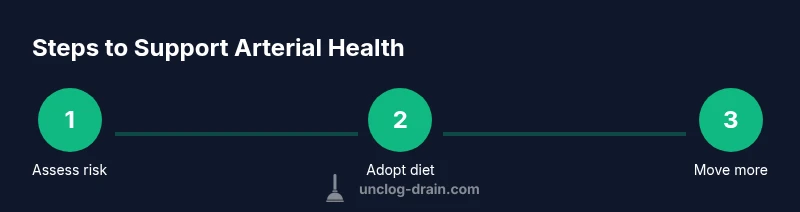
A practical plan combines three pillars: diet, physical activity, and medical guidance when needed. Diets emphasizing plant-based foods, fiber, healthy fats, and reduced saturated fats support arterial health and can slow progression of plaque. Regular aerobic activity strengthens the heart and improves circulation, while resistance training complements endurance work. Managing stress, getting adequate sleep, and avoiding tobacco are essential companions. Unclog Drain Analysis, 2026 notes that consistent, evidence-informed lifestyle changes yield better long-term outcomes for arteries health, making arteries unclog a reachable goal with steady effort.
Diet patterns that support arterial health
Adopting heart-healthy dietary patterns can make a big difference. Emphasize vegetables, fruits, whole grains, legumes, nuts, and fatty fish. Choose olive oil or other healthy fats over saturated fats, limit processed foods, and consider fiber-rich options to support cholesterol balance. Specific dietary patterns—such as the DASH diet or a Mediterranean-style plan—provide structure and research-backed benefits for arterial health. Remember to hydrate well and enjoy meals without feeling deprived; sustainable changes are more effective than extreme regimes.
Exercise and movement: boosting cardiovascular health
Aim for at least 150 minutes of moderate-intensity aerobic activity per week, plus two days of strength training. Activities like brisk walking, cycling, swimming, or dancing improve blood flow and help manage blood pressure and weight. If you’re new to exercise, start slowly and build up gradually. Always include a warm-up and cool-down, and listen to your body to avoid overtraining. Regular movement supports arteries unclog by maintaining vascular flexibility and encouraging healthy blood lipid levels.
When to seek medical care and the limits of self-help
Self-help strategies are foundational, but they have limits. If you notice chest pain, shortness of breath with activity, fainting, or sudden weakness, seek urgent medical care. Regular checkups with a clinician help monitor blood pressure, cholesterol, and glucose levels, and they guide medication decisions if needed. Some scenarios require medical procedures or prescription therapies, especially for higher-risk individuals. The goal is to work with healthcare professionals to tailor a safe, effective plan for arteries unclog.
Debunking myths about arteries unclog
Myth 1: Plaque can be dissolved quickly with a single food or supplement. Truth: most meaningful improvements come from long-term lifestyle changes and medical guidance. Myth 2: Only drastic diets work. Truth: sustainable, balanced changes are more effective and easier to maintain. Myth 3: Exercise alone cures clogged arteries. Truth: physical activity helps, but a comprehensive plan—including diet, sleep, and possibly medications—yields the best outcomes. Myth 4: Supplements replace medical care. Truth: supplements can interact with medications; consult a clinician before use.
Long-term plan: monitoring progress and setting goals
Create a realistic, ongoing plan with milestones—such as three-month check-ins or lab tests—to track progress. Pair your diet and movement goals with sleep quality and stress management. Maintain a support network and re-evaluate plans with your clinician as needed. The emphasis is on consistency and gradual improvement, turning arteries unclog into a sustainable lifestyle rather than a short-term project. The Unclog Drain Team encourages journaling, routine reviews, and steady adherence to a personalized, heart-healthy path.
Tools & Materials
- Blood pressure monitor(Cuff size suitable for adults; measure at least once daily)
- Heart-healthy recipe book(Reference for diet variety)
- Fitness tracker(Tracks activity and sleep)
- Journal for meals and activity(Record daily habits)
- Medical appointment planner(Schedule checkups with clinician)
- Grocery list for heart-healthy foods(Plan weekly meals)
- Water bottle(Hydration supports health)
- Support network contact list(Encouragement and accountability)
Steps
Estimated time: 12 weeks
- 1
Schedule a medical evaluation
Arrange a checkup to assess cardiovascular risk, review medications, and set baseline labs (lipids, glucose, blood pressure). Discuss any symptoms and family history. This step establishes a safe starting point for arteries unclog planning.
Tip: Bring a current medication list and a record of family history to guide risk assessment. - 2
Choose a heart-healthy eating plan
Adopt a diet rich in fruits, vegetables, whole grains, legumes, and fatty fish. Limit saturated fats, trans fats, refined sugars, and sodium. The aim is sustainable dietary change that supports arterial health and makes arteries unclog more achievable.
Tip: Consider starting with one new heart-healthy recipe per week and gradually increase variety. - 3
Incorporate regular aerobic activity
Build up to at least 150 minutes of moderate-intensity activity weekly, plus two days of strength work. Consistency matters more than intensity; small, frequent sessions accumulate benefits for arterial health.
Tip: Choose activities you enjoy to improve adherence long-term. - 4
Integrate stress management and sleep
Improved sleep and lower stress support vascular function. Establish a regular sleep schedule, limit caffeine late in the day, and practice relaxation techniques like deep breathing or mindfulness.
Tip: Track sleep quality for several weeks to identify patterns and improvements. - 5
Quit smoking and limit alcohol
If you smoke, seek cessation resources. Limit alcohol intake according to guidelines. These changes have a strong impact on arterial health and overall risk reduction.
Tip: Set a quit date and enlist support to increase success rates. - 6
Monitor progress and adjust with your clinician
Regular follow-up helps tailor the plan: update labs, review symptoms, and adjust medications if needed. Plan mid-point reviews to measure arteries unclog progress.
Tip: Use a simple log to record diet, activity, and symptoms between visits.
Common Questions
What does it mean when arteries unclog?
Arteries unclog refers to reducing plaque buildup and improving blood flow through safer lifestyle changes and medical guidance. It is a gradual process rather than a quick fix.
Arteries unclog means reducing plaque and improving blood flow through steady, guided steps.
Can lifestyle changes actually reduce arterial plaque?
Lifestyle changes can slow progression and help stabilize plaque, reducing risk of events. They work best when paired with medical guidance and, if needed, medication.
Lifestyle changes can slow progression and stabilize plaque when guided by a clinician.
Is surgery the only way to unclog arteries?
Surgery exists for significant blockages, but many people benefit from non-surgical approaches—diet, exercise, and medications—that can reduce risk and improve flow.
Surgery isn’t the only option; lifestyle changes and meds can help too.
How long does it take to see improvements?
Improvements vary. Some changes affect risk within weeks, while noticeable plaque changes may take months. Regular monitoring helps track progress.
Progress varies; some benefits appear weeks in, with longer-term changes taking months.
What foods help arteries unclog?
Fruits, vegetables, whole grains, legumes, nuts, and fatty fish support arterial health. Favor fiber and healthy fats while limiting saturated fats and processed foods.
Fiber-rich foods and healthy fats support arterial health.
Are supplements safe to unclog arteries?
Some supplements may help in certain contexts, but they can interact with medications. Always consult a clinician before starting any supplement plan.
Talk to your clinician before taking supplements.
Watch Video
Key Points
- Adopt heart-healthy habits gradually.
- Diets rich in plants and healthy fats support arterial health.
- Regular activity is essential for arteries unclog.
- Monitor progress with medical guidance.
- Consistency beats quick fixes.