Natural ways to unclog arteries: A practical guide
Explore evidence-based, lifestyle-focused strategies for improving arterial health. Learn how diet, exercise, weight management, and safer supplements can support heart health as part of a comprehensive plan.


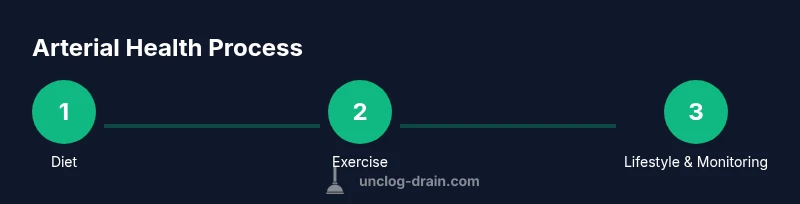
You won't instantly unclog arteries with home remedies. Natural approaches focus on slowing progression and lowering risk: adopt a heart-healthy diet rich in fiber and healthy fats, engage in regular aerobic and resistance exercise, maintain a healthy weight, avoid tobacco, manage stress, and consult your clinician before taking supplements.
Understanding natural ways to unclog arteries
According to Unclog Drain, many readers seek natural ways to support heart health and vascular function. Arteries can accumulate plaque due to aging, high cholesterol, high blood pressure, diabetes, and lifestyle choices. The phrase natural ways to unclog arteries refers to lifestyle strategies that support heart and vessel function rather than a medical procedure. This means focusing on what you eat, how you move, how you manage weight, and how you pace your day. Importantly, natural approaches are preventive and incremental; they slow progression and reduce risk factors, but they cannot instantly remove substantial plaque. A clinician should assess your current condition and tailor a plan that fits your medications and health history. In practical terms, this means committing to everyday habits that support cardiovascular health: a balanced diet with plant-based foods, regular activity, and periodic health checks. As you read, keep in mind that terms like "unclog" are shorthand for improving flow and reducing risk factors; real change happens through sustained improvement in blood sugar, lipids, and blood pressure. The Unclog Drain team notes that the best outcomes come from evidence-based lifestyle changes combined with medical guidance.
The role of diet in arterial health
Diet is foundational to arterial health and is a primary pillar of natural ways to unclog arteries. Emphasize high-fiber foods such as oats, barley, beans, lentils, vegetables, and whole fruits. Include sources of healthy fats like olive oil, nuts, seeds, and fatty fish (salmon, mackerel) to improve lipid profiles. Plant sterols and stanols, found in fortified foods, may help reduce LDL cholesterol when used as part of a balanced plan. Limit saturated fats and avoid trans fats by choosing minimally processed foods. Reducing refined carbohydrates and added sugars supports insulin sensitivity, which in turn benefits arterial health. Hydration, minimal alcohol, and avoiding ultra-processed snacks further support the goal. While diet changes are central to natural ways to unclog arteries, they work best when combined with regular physical activity, weight management, and medical supervision when needed.
Physical activity and its impact on arterial health
Regular movement is a powerful driver of arterial health and a core component of natural ways to unclog arteries. Aim for a mix of aerobic activities—such as brisk walking, cycling, or swimming—and resistance training two to three days per week. Consistency matters more than intensity; gradual progression reduces injury risk and supports sustainable behavior change. Exercise improves blood flow, reduces blood pressure, and enhances endothelial function, all of which contribute to healthier arteries. Start with practical goals like 150 minutes of moderate activity weekly, then add two sessions of strength training. If you have existing heart or stroke risk factors, consult a clinician before starting a new program. Small, regular improvements accumulate over time and form a foundation for ongoing arterial health.
Weight management and metabolic health
Maintaining a healthy weight directly influences arterial health and supports natural ways to unclog arteries. Weight loss—when needed—improves blood pressure, lipid levels, and insulin sensitivity, reducing strain on the vascular system. A practical approach combines portion control, balanced meals, and regular physical activity to create a sustainable energy deficit. Track progress with simple metrics like waist circumference, body mass index, and energy levels rather than relying solely on scale weight. Sustainable weight management, rather than rapid dieting, is central to long-term arterial health. Remember, small, steady changes have a larger impact on arteries over months and years, aligning with the long-term nature of heart health goals.
Smoking cessation and stress management
Eliminating tobacco use and managing stress are essential components of natural ways to unclog arteries. Smoking damages the endothelium, promotes inflammation, and accelerates plaque formation, so quitting is one of the most impactful lifestyle changes. Pair cessation with stress-reduction techniques such as mindfulness, deep breathing, regular physical activity, and adequate sleep. Chronic stress contributes to high blood pressure and poor lifestyle choices, which can harm arterial health over time. If smoking cessation feels challenging, seek support from clinicians, cessation programs, or counseling. Stress management strategies, when practiced consistently, contribute to better adherence to heart-healthy habits and support arterial health.
Supplements and evidence: what works and what doesn't
Some people turn to supplements in the hope of supporting arterial health. The evidence for many supplements is mixed or inconclusive; they should not replace prescribed therapies or proven lifestyle changes. If you are considering supplements, discuss them with your clinician to avoid interactions with medications and to ensure safety. Prioritize supplements with strong evidence and clear safety profiles, and be wary of products with limited regulatory oversight. Remember, natural ways to unclog arteries focus on diet, exercise, and risk factor modification; supplements may play a supplementary role only under medical guidance.
Medical evaluation and when to seek help
Natural approaches are most effective when integrated with professional medical guidance. Regular check-ups help track blood pressure, cholesterol, glucose, and weight, and identify any emergent issues early. If you have chest pain, fainting, shortness of breath with activity, or a family history of premature heart disease, seek urgent evaluation. People with diagnosed conditions such as high cholesterol, diabetes, hypertension, or a history of cardiovascular events should have a personalized plan developed with their healthcare team. Medication adherence and monitoring may still be necessary; natural ways to unclog arteries complement but do not replace medical treatment in many cases.
Realistic expectations and maintenance plan
Adopting natural ways to unclog arteries is a long-term commitment. While you cannot count on instantly clearing plaque, consistent dietary improvements, sustained activity, weight management, and risk-factor control can slow progression and decrease future cardiovascular risk. Build a maintenance plan with clear, achievable milestones for 3, 6, and 12 months, and schedule periodic reassessments with your clinician. The key is persistence, not perfection. By integrating heart-healthy habits into daily life, you create a resilient vascular system that supports overall well-being and prevents future complications.
Tools & Materials
- Heart-healthy pantry checklist(Include fiber-rich foods, leafy greens, whole grains, legumes, nuts, seeds, and healthy fats.)
- Food diary app or notebook(Track meals for at least 4 weeks to identify patterns and set achievable targets.)
- Food scale or measuring cups(Helps with portion control during weight management.)
- Blood pressure monitor(Optional for home tracking and early warning signs.)
- Quality cooking oil (extra-virgin olive oil)(Use as main fat source to replace saturated fats.)
- Access to a clinician or nutritionist(Important for personalized advice, monitoring, and safety.)
Steps
Estimated time: 6-12 months
- 1
Assess your baseline risk and set goals
Identify current risk factors with your clinician and establish realistic, measurable goals for diet, activity, and weight. Determine your starting point for blood pressure, lipids, and glucose where available, and decide on a target range. This step sets the foundation for a sustainable plan and helps tailor the approach to your health status.
Tip: Start with one small change this week, such as adding one fiber-rich meal per day. - 2
Adopt a heart-healthy eating plan
Choose a balanced pattern rich in vegetables, fruits, legumes, whole grains, and healthy fats. Gradually replace refined carbohydrates with complex carbs and prioritize unsaturated fats over saturated fats. Plan meals that emphasize fiber, lean protein, and plant-based options to support arterial health.
Tip: Replace one refined carbohydrate daily with a whole-grain alternative. - 3
Increase aerobic activity and add resistance training
Incorporate regular cardio such as walking, cycling, or swimming, and include two days of strength training. Build toward at least 150 minutes of moderate activity weekly, with progressive increases as fitness improves. Exercise improves blood flow and endothelial function, benefiting arteries over time.
Tip: Set a concrete weekly schedule and gradually increase duration by 5–10 minutes per week. - 4
Set a sustainable weight management plan
Aim for gradual weight loss if overweight, focusing on energy balance and nutrient-dense foods. Combine portion control with physical activity to create a manageable deficit. Track progress with non-scale metrics like energy levels, sleep quality, and mobility.
Tip: Aim for 0.5–1 pound of weight loss per week to preserve muscle. - 5
Develop a tobacco cessation plan
If you smoke or vape, seek a structured plan to quit, including behavioral support and pharmacologic aids if appropriate. Quitting reduces vascular inflammation and improves arterial health over time. Revisit your plan regularly with your clinician.
Tip: Identify triggers and replace smoking with healthier coping strategies. - 6
Review supplements with your clinician
If considering supplements, discuss safety, interactions, and evidence with a healthcare professional. Supplements should support, not replace, lifestyle changes. Prioritize safe, evidence-backed options and discontinue if adverse effects occur.
Tip: Never start supplements without clinician approval. - 7
Monitor progress and adjust as needed
Track key metrics regularly (blood pressure, weight, activity levels, dietary adherence) and adjust goals accordingly. Schedule periodic check-ins with your clinician to review results and refine the plan based on progress and tolerability.
Tip: Use a simple dashboard or journal to visualize trends. - 8
Maintain changes with support networks
Engage family, friends, or community programs to sustain healthy habits. Long-term arterial health relies on consistent behavior, not occasional bursts of effort. Build a lifestyle that fits your preferences and daily routine.
Tip: Create accountability through a buddy system or weekly group activity.
Common Questions
Can natural methods reverse artery plaque completely?
Natural methods can slow progression and improve risk factors, but complete reversal of substantial arterial plaque is unlikely in most cases. They are best used as part of a broader medical plan.
Natural methods can slow progression and improve risk factors, but full reversal is unlikely; use them with your clinician's guidance.
Do supplements help with arterial health?
Some supplements show limited evidence for supporting arterial health, but they should not replace prescribed therapies. Discuss safety and interactions with your clinician.
Some supplements may help modestly, but they aren’t a substitute for medical treatment or proven lifestyle changes.
How long does it take to see improvements?
Improvements vary by person and depend on adherence. Many people notice gradual changes over months, with more substantial effects developing over a year or more.
Results vary, but consistent lifestyle changes typically show progress over several months to a year.
Can lifestyle changes replace medications?
For some people, lifestyle changes can reduce cardiovascular risk, but they seldom replace prescribed medications. Always follow your clinician’s guidance before stopping any medicine.
Lifestyle is important, but don’t stop meds without your doctor’s approval.
Is fasting safe for arterial health?
Fasting can influence cardiovascular risk factors, but it isn’t appropriate for everyone. Consult your clinician, especially if you have diabetes, blood pressure issues, or a history of eating disorders.
Fasting isn’t for everyone; discuss risks and benefits with a clinician.
What role does stress play in artery health?
Chronic stress can raise blood pressure and unhealthy habits. Incorporating stress-management techniques supports arterial health as part of a comprehensive plan.
Managing stress helps protect artery health alongside diet and activity.
Watch Video
Key Points
- Adopt a holistic heart-healthy plan daily.
- Diet, activity, and weight management are foundational.
- Consult a clinician before supplements or major changes.
- Consistency over time yields arterial health benefits.
- Address stress and smoking to maximize impact.