What Can You Take to Unclog Your Arteries? Safe, Evidence-Based Ways
A practical, evidence-based guide clarifying that there is no quick fix to unclog arteries. Learn how diet, exercise, medication, and medical care work together to support arterial health and reduce cardiovascular risk.


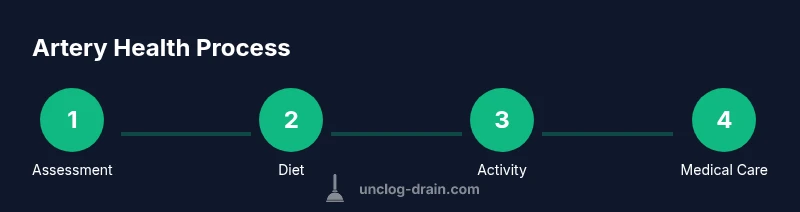
Short answer: you cannot simply take something to unclog arteries. Reversal or prevention requires a long-term, medically supervised plan. Focus on a heart-healthy diet rich in fiber and vegetables, regular aerobic exercise, maintaining a healthy weight, avoiding tobacco, and following your clinician’s guidance on medications or procedures if indicated. There is no quick-fix remedy.
What can you take to unclog your arteries
That question—what can you take to unclog your arteries—has no simple answer. There is no single product proven to dissolve arterial plaque quickly. According to Unclog Drain, a cautious approach to health problems emphasizes evidence-based strategies rather than quick fixes. Reversal or prevention requires a long-term, medically supervised plan. Focus on a heart-healthy diet rich in fiber and vegetables, regular aerobic exercise, maintaining a healthy weight, avoiding tobacco, and following your clinician’s guidance on medications or procedures if indicated. There is no quick-fix remedy.
Understanding arterial blockage: plaque, cholesterol, and blood flow
Arteries transport oxygen-rich blood; when they accumulate plaque—composed of cholesterol, fat, calcium, and inflammatory cells—blood flow can be restricted. This buildup narrows arteries and can lead to chest pain or heart attack. Risk factors include high LDL cholesterol, high blood pressure, diabetes, smoking, obesity, and a sedentary lifestyle. You may not notice symptoms until a blockage becomes significant, which is why prevention and regular screening are critical. Understanding how plaque forms helps patients choose strategies that actually impact risk rather than chasing false promises.
Evidence-based dietary strategies that support arterial health
A heart-healthy diet emphasizes fiber, whole grains, vegetables, fruits, lean proteins, and healthy fats while limiting saturated fat, trans fats, added sugars, and sodium. The Mediterranean and DASH diets have the strongest evidence for improving lipid profiles and reducing cardiovascular risk. Practical steps include increasing soluble fiber from oats, beans, and apples; choosing fatty fish or plant-based omega-3 sources; using olive oil; snacking on nuts; and loading up on leafy greens. Moderate portions and consistent meal timing support steady blood sugar and energy. This approach aligns with long-term arterial health rather than quick fixes.
Exercise and weight management: moving toward healthier arteries
Regular physical activity improves blood pressure, improves lipid levels, and helps control weight—key factors in arterial health. Aim for at least 150 minutes per week of moderate-intensity aerobic activity, plus two days of strength training. If you’re new to exercise, start with walking or cycling and gradually increase intensity. Even small, consistent changes compound over months and reduce cardiovascular risk. Coupled with a healthy diet, exercise helps reduce visceral fat and improve insulin sensitivity, which in turn supports healthier arteries.
Medications and medical interventions: when pills aren’t enough
Lifestyle changes alone aren’t always enough to slow plaque progression. Your clinician may prescribe medications to lower LDL cholesterol (statins), control high blood pressure, or manage diabetes. In some cases, medical procedures such as angioplasty with stenting or bypass surgery are warranted to restore blood flow. It’s essential to discuss risks, benefits, and alternatives with your doctor, and to understand that medications are part of a broader, ongoing strategy—not a stand-alone cure. If medical interventions are needed, follow-up care is critical to monitor effectiveness and side effects.
Supplements and myths: what actually helps (and what to avoid)
Some supplements claim to unclog arteries. However, robust evidence is limited, and supplements can interact with prescribed medications. Omega-3 supplements, plant sterols, and soluble fiber supplements may support risk factor management, but they are not substitutes for medical treatment. Always check with your healthcare provider before starting any supplement, especially if you have cardiovascular disease or take anticoagulants. Practical decisions should be grounded in conversation with a clinician and current guidelines.
Practical 6-week plan to start improving arterial health
Week 1 focuses on education and baseline changes: log meals, identify high-sodium and high-saturated-fat items, and begin a daily 20–30 minute walk. Week 2 adds fiber-rich foods and at least two servings of fish or plant-based Omega-3 sources weekly. Week 3 increases activity to 150 minutes weekly and introduces light strength training twice. Week 4 reduces processed foods and introduces gradual, consistent meal timing. Weeks 5–6 consolidate habits, schedule medical follow-ups, and review lipid and glucose targets with your clinician to tailor the plan to your risk profile.
How to talk with your healthcare team about arterial health
Prepare a concise summary of your recent meals, activity, medications, and any symptoms. Ask about target levels for cholesterol, blood pressure, and glucose, and whether you should pursue testing or imaging based on your risk. Record questions before visits and bring a family member or friend for support. Collaboration with your health team is essential for a personalized plan that fits your lifestyle.
Common pitfalls and how to stay motivated long-term
Common pitfalls include chasing quick fixes, skipping follow-ups, and underestimating the impact of small daily changes. Stay motivated by setting realistic, measurable goals and tracking progress. Build a support system with family or a community group, and celebrate small victories. Remember: arterial health is a long-term investment, and consistency matters more than intensity over short periods.
Tools & Materials
- None(No tools required for lifestyle-focused approach.)
Steps
Estimated time: 6-12 weeks
- 1
Define baseline and set goals
Assess your current risk factors, such as blood pressure, cholesterol, and blood sugar, and set 2–3 realistic, time-bound goals (e.g., reduce LDL by a certain amount, walk 150 minutes per week). Understanding your starting point helps tailor actions and track progress.
Tip: Document current numbers and baseline habits before starting changes. - 2
Audit your diet for heart health
Identify sources of saturated fat, sodium, and added sugars. Replace with fiber-rich foods, vegetables, legumes, and lean proteins. Plan meals that include at least one plant-based main dish daily.
Tip: Keep a simple grocery list with 80% whole foods to reduce decision fatigue. - 3
Build an exercise routine
Choose enjoyable activities and aim for consistency. Start with moderate-intensity options like brisk walking, cycling, or swimming, and gradually add short strength sessions.
Tip: Progress slowly to avoid injury and hydrating properly supports recovery. - 4
Coordinate with your clinician about medications
If prescribed, take medications as directed and discuss any side effects or interactions. Do not stop meds without medical advice, even if you feel better.
Tip: Prepare a medication list for visits and update it regularly. - 5
Set up monitoring and follow-up
Schedule regular check-ins to monitor blood pressure, lipids, and glucose. Use home tracking tools if recommended by your clinician.
Tip: Use a symptom journal to flag changes early. - 6
Adjust plan and stay consistent
Review progress with your healthcare team, adjust targets, and reinforce long-term lifestyle changes. Focus on sustainable habits rather than short-term extremes.
Tip: Celebrate small wins to stay motivated.
Common Questions
Can you reverse artery plaque naturally with diet and exercise alone?
Diet and exercise can slow progression and improve risk factors, but plaque reversal is not guaranteed by lifestyle changes alone. Medication and sometimes medical procedures are often needed based on risk level. Always discuss options with your clinician.
Diet and exercise help manage risk and slow progression, but they don’t guarantee reversing plaque; work with your doctor to determine the right combination of lifestyle and medicine.
What foods are best for artery health?
A diet rich in fiber, fruits, vegetables, and healthy fats (like olive oil and fish) supports arterial health. Emphasize whole grains, legumes, nuts, and leafy greens, while limiting saturated fat, trans fats, and added sugars.
Focus on fiber-rich foods, vegetables, and healthy fats to support arteries, while reducing unhealthy fats and sugar.
Are supplements effective for unclogging arteries?
Most supplements have limited evidence for unclogging arteries. They can interact with medicines and may carry risks. Consult your healthcare provider before starting any supplement.
Supplements aren’t proven to unclog arteries; talk to your doctor before taking them.
Do natural remedies work to unclog arteries?
Natural remedies may help manage risk factors but rarely replace medical treatments. Be cautious of unproven claims and discuss any alternative approaches with your clinician.
Natural remedies can help risk factors, but they aren’t a guaranteed fix—consult your doctor.
When should I seek medical treatment for potential artery blockage?
Seek urgent care if you experience chest pain, shortness of breath, fainting, or sudden weakness on one side of the body. These may signal a heart attack or stroke and require immediate medical attention.
If you have chest pain or trouble breathing, seek emergency care right away.
How often should I follow up with a doctor about arterial health?
Follow-up frequency depends on your risk factors and treatment plan. Regular lipid and blood pressure checks are common, with adjustments based on your clinician’s guidance.
Your doctor will tell you how often to check in, based on your risk and treatment.
Watch Video
Key Points
- Take a long-term, evidence-based approach to arterial health
- Prioritize diet, exercise, and risk-factor management over quick fixes
- Medications or procedures may be needed—under medical guidance
- Supplements are not substitutes for proven medical strategies
- Consistency and regular medical follow-up drive lasting benefits