Can You Unclog and Reduce Arterial Plaque: A Practical Guide
Learn whether lifestyle changes, diet, and medical guidance can reduce arterial plaque and support heart health. Practical steps, evidence, and safety considerations for homeowners seeking to understand this complex topic.


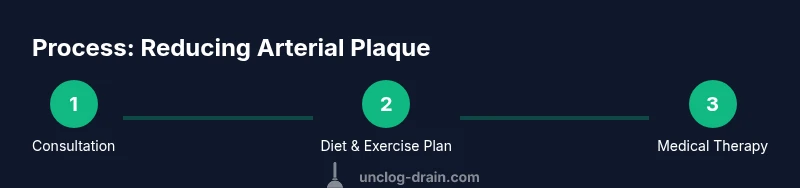
Short answer: You cannot unclog arteries at home. Arterial plaque buildup is a complex, medical condition that requires professional assessment. While you cannot remove plaque with DIY methods, you can lower risk, slow progression, and promote stability through supervised therapies, a heart-healthy diet, regular exercise, and quitting smoking under a healthcare provider’s guidance.
What arterial plaque is and why it matters
Arterial plaque is a buildup of cholesterol, fats, calcium, and other substances inside the walls of arteries. Over time, plaque can narrow and stiffen arteries, reducing blood flow and increasing the risk of heart attack or stroke. The process begins with damage to the inner lining of arteries, often from high blood pressure, smoking, or elevated cholesterol. The body attempts to repair this damage by sending cholesterol-laden particles to the site, which accumulate and form plaque. Not all plaque is the same; some are soft and inflammatory, others are calcified and stable. The key concept for homeowners and DIYers is that plaque is a dynamic condition, influenced by ongoing risk factors and medical management. While you cannot simply “unclog” arteries at home, you can influence the trajectory of the disease by controlling risk factors, adhering to medical therapy, and making sustained lifestyle changes that support heart and vascular health. Monitoring measurements such as LDL cholesterol, blood pressure, and inflammatory markers help clinicians decide when to intensify treatment. The question many readers ask is can you unclog and reduce plaque in arteries, and the honest answer is that rapid or complete reversal is not something achievable without medical interventions. The Unclog Drain team notes that similar to drain systems, healthy, gradual changes yield the best long-term results for complex problems when done with expert guidance.
Can you 'unclog' arteries at home? What is possible
No home remedy or over-the-counter supplement will reliably unclog arteries or physically remove mature plaque. Plaque removal and stabilization require medical assessment, risk stratification, and, in some cases, interventional approaches or medication. What you can do at home is important and meaningful: reduce your risk factors, monitor your health, and adhere to a clinician-guided plan. Lifestyle changes—such as improved diet, increased physical activity, weight management, and smoking cessation—can slow progression and reduce the likelihood of future events. According to Unclog Drain analyses, structured, gradual health improvements often correlate with better outcomes in chronic conditions, even when a single intervention cannot reverse the underlying issue. Always consult your clinician before starting any new regimen, especially if you have chest symptoms.
Evidence-based strategies to manage plaque risk
Managing arterial plaque effectively hinges on evidence-based strategies that address the root causes: lipid levels, blood pressure, inflammation, and metabolic health. Medical therapies, when prescribed appropriately, can slow or modestly reduce plaque progression and lower the risk of heart attack or stroke. A typical approach includes lipid-lowering therapy (commonly statins), blood pressure control, dietary modifications, physical activity, and management of diabetes or obesity if present. While the exact effect varies by individual, studies consistently show that sustained risk-factor management reduces adverse cardiovascular outcomes. The Unclog Drain team emphasizes that ongoing medical supervision and adherence to treatment plans are critical elements of any successful strategy.
Diet and foods that support heart health
A heart-healthy diet emphasizes whole, nutrient-dense foods while limiting processed items high in saturated fat, sugar, and salt. Focus on vegetables, fruits, whole grains, lean proteins (fish and poultry), and healthy fats (olive oil, nuts, seeds). Plant sterols and soluble fiber can help improve cholesterol levels. Regular meals with consistent portions support energy balance and weight management. Hydration, reducing alcohol intake, and avoiding trans fats also contribute to cardiovascular health. While dietary changes are essential, they work best in combination with medical guidance and an active lifestyle. The goal is to shift long-term habits rather than pursue quick fixes.
Exercise, weight management, and stress reduction
Aim for a balanced routine that includes aerobic activity (such as brisk walking or cycling) several days per week, along with strength training. Physical activity improves lipid profiles, lowers blood pressure, and supports weight management—all factors that influence arterial health. Even moderate, consistent activity can yield meaningful benefits over time. Weight management—achieved through a combination of diet and activity—reduces strain on the heart and vessels. Stress management techniques, such as mindful breathing, adequate sleep, and social support, also play a role in heart health. The key is consistency and gradual progression rather than extreme, unsustainable efforts. The Unclog Drain perspective here aligns with steady, evidence-informed habit formation for durable results.
Medical therapies and when they are used
Medications are prescribed based on an individual's risk profile and disease state. Statins are commonly used to improve lipid levels and reduce cardiovascular risk; other agents may be added depending on the clinical scenario. Antiplatelet therapy, antihypertensives, and diabetes medications may be indicated as part of a comprehensive plan. These treatments are designed to stabilize plaque, improve blood flow, and reduce the likelihood of events. It is essential to follow a clinician’s recommendations and to discuss benefits, risks, and potential interactions with any supplements or alternative therapies.
Building a safe, monitored plan with your clinician
A practical plan begins with a medical assessment that establishes baseline risk and targets. Work with your clinician to set realistic goals for blood pressure, cholesterol, weight, and activity. Create a schedule for regular follow-up visits and heart-health screenings, such as lipid panels and imaging tests if indicated. Document changes in diet, activity, and medications to help your care team adjust your plan as needed. This collaborative approach mirrors how a well-managed drain system benefits from regular checks and adjustments to maintain flow and prevent blockages.
Common tests doctors use to monitor plaque
Clinicians monitor arterial health with a combination of blood tests and imaging. A lipid panel assesses cholesterol levels; high-sensitivity C-reactive protein (hs-CRP) can indicate inflammation; imaging studies (such as ultrasound or coronary CT angiography) help visualize plaque and vessel health. These tests guide therapy adjustments and help predict cardiovascular risk. Regular monitoring makes it possible to track progress even when plaque changes the rate of progression is gradual.
Myths and misconceptions
Common myths include the idea that any single food or supplement will dramatically reverse plaque. In reality, no quick-fix method exists; meaningful change comes from a sustained, multi-faceted plan under medical supervision. Some natural approaches can complement treatment but should never replace prescribed therapies. Always verify claims with trusted health sources and discuss any complementary strategies with your clinician. The emphasis remains on evidence-based, patient-centered care.
Tools & Materials
- Consultation with a healthcare professional(Baseline risk assessment and personalized plan)
- Reliable food and activity tracking method(Food diary or app to monitor nutrition and exercise)
- Heart-healthy pantry staples(Fruits, vegetables, whole grains, nuts, olive oil)
- Moderate-intensity activity plan(Goal: 150 minutes/week; adjust for fitness level)
- Medication guide (as prescribed)(Only if a clinician prescribes any therapy)
Steps
Estimated time: 6-12 weeks (initial risk reduction phase)
- 1
Schedule medical evaluation
Arrange a comprehensive assessment with your clinician to determine baseline risk and discuss potential therapy options. This step establishes safe, personalized targets.
Tip: Bring a current list of medications and recent lab results to your appointment. - 2
Set a personalized nutrition plan
Work with your clinician or a dietitian to define dietary targets focused on fiber, healthy fats, and nutrient-dense foods while limiting saturated fats and added sugars.
Tip: Start with one or two changes at a time to build sustainable habits. - 3
Incorporate daily exercise
Implement a physical activity routine that aligns with your fitness level, gradually increasing duration and intensity while prioritizing consistency over intensity.
Tip: Choose activities you enjoy to improve long-term adherence. - 4
Adopt a heart-healthy plate
Fill meals with vegetables, whole grains, lean protein, and healthy fats; minimize processed foods and hidden salt.
Tip: Use plate models or meal-prep to simplify portion control. - 5
Take medications as prescribed
If a clinician prescribes statins or other therapies, take them as directed and discuss any side effects or interactions with your healthcare team.
Tip: Never stop or adjust medication without consulting a clinician. - 6
Schedule follow-up tests
Plan periodic lipid panels, blood pressure checks, and, if indicated, imaging tests to monitor progress and adjust treatment.
Tip: Keep a running record of test dates and results. - 7
Monitor and adjust lifestyle with clinician
Review progress with your care team and refine targets based on responses, new research, or changes in health status.
Tip: Set reminders for appointments and measurements.
Common Questions
Can dietary changes reverse arterial plaque?
Dietary changes alone cannot reverse existing arterial plaque, but they can slow progression and improve lipid levels when combined with medical therapy and lifestyle modifications.
Diet helps, but reversal usually requires a broader treatment plan under medical guidance.
What foods help reduce cholesterol and arterial risk?
Foods rich in fiber, healthy fats (like fish, olive oil), and plant sterols support cholesterol management. Limit saturated fats, trans fats, and processed sugars.
Fiber and healthy fats help, but a clinician-guided plan is essential.
Do supplements work to reduce plaque?
Evidence for supplements is mixed and not a substitute for medical therapy. Discuss any supplements with your clinician to avoid interactions.
Talk to your doctor before taking supplements as part of a plan.
How long does it take to see improvements?
Improvements in risk factors can occur weeks to months; tangible changes in plaque structure are gradual and assessed over time with imaging and labs.
You may see improvements in risk factors first, then structural changes over months.
Are statins always required?
Statins are prescribed based on individual risk. They are not universally required and depend on lipid levels, blood pressure, and overall risk assessment.
Not always; it depends on your risk profile and clinician judgment.
Is there a natural way to unclog arteries?
There is no proven natural method to quickly unclog arteries. Natural approaches can support health, but they do not replace medical therapy.
No quick natural fix; work with your clinician for evidence-based care.
Watch Video
Key Points
- Prioritize medical guidance and risk-factor assessment.
- Lifestyle changes support heart health and can slow progression.
- Plaque changes are gradual; consistency is key.
- Medication and monitoring optimize long-term outcomes.
- Collaborate with your clinician for a safe, personalized plan.