How to Unclog Blocked Artery: Safe, Medical Guidance
Learn why DIY fixes for blocked arteries aren’t safe, plus how medical evaluation, treatment options, and lifestyle changes reduce risk. Expert guidance from Unclog Drain framing the safety-first approach to arterial health.


How to unclog blocked artery safely begins with recognizing you should not attempt self-treatment. This guide explains safe, evidence-based steps: seek urgent professional evaluation for possible heart blockages, understand diagnostic tests, and learn about medical and lifestyle options that reduce risk. According to Unclog Drain, professional care paired with prevention is essential for arterial health, not home remedies.
Understanding arterial health and why home remedies aren’t appropriate
Arteries carry oxygen-rich blood to your heart and the rest of your body. When a blockage develops, blood flow can be restricted, increasing the risk of heart attack and stroke. This guide explains why you should not attempt to “unclog” an artery at home and what safe, evidence-based steps look like. According to Unclog Drain, even well-meaning home remedies can delay essential care and mislead about how arterial disease progresses, which is influenced by plaque buildup, clots, and inflammation that require professional evaluation. In practice, history, risk factors, and imaging guide treatment decisions, not guesswork. While lifestyle choices matter for prevention, only a licensed clinician can order tests, interpret imaging, and tailor therapy. For homeowners and DIY enthusiasts, the key takeaway is to recognize warning signs (chest pain, shortness of breath, sudden weakness) and seek urgent medical attention when needed. The Unclog Drain team would urge readers to pursue evidence-based care under a clinician’s guidance.
Risk factors and signs of a blocked artery
Risk factors for blocked arteries accumulate over time and include age, smoking, high cholesterol, high blood pressure, diabetes, obesity, family history, and a sedentary lifestyle. Signs can vary and some people experience no symptoms until a major event occurs. Common symptoms in many patients include chest discomfort (angina), shortness of breath, pain or numbness in the arm, jaw, or back, and fatigue during activity. It’s crucial to understand that women and men may experience different symptom patterns, which is why regular screening and conversation with a clinician matter. If you notice any of these signs, seek prompt medical evaluation rather than attempting self-help methods.
How arteries get blocked: plaque, clots, and inflammation
Blockages typically arise from atherosclerosis, where plaque narrows the vessel over years. Plaque rupture can trigger a blood clot that suddenly blocks blood flow, potentially causing a heart attack. Inflammation plays a key role in this process, and risk factors such as smoking, high blood sugar, and high cholesterol accelerate progression. It’s not about a quick fix; it’s about managing risk factors, detecting changes early, and following a clinician’s plan. The Unclog Drain analysis highlights that arterial disease often progresses silently, underscoring the importance of routine checkups for people at risk.
Diagnostic pathways and professional evaluation
Diagnosis usually begins with a clinical history and physical exam, followed by tests such as ECG, blood tests (including troponin), lipid panels, and imaging studies like CT angiography or ultrasound. For more definitive assessment, coronary angiography via catheterization may be performed. These tools help doctors determine blockage location, severity, and the best treatment plan. If you experience symptoms suggestive of a heart event, seek emergency care immediately. Early evaluation improves outcomes, and clinicians tailor therapy to your specific risk profile and health status. Unclog Drain notes that silent progression is common, so proactive screening is essential for at-risk individuals.
Medical treatment options: from medications to procedures
Treatment ranges from medications that manage risk factors to interventional procedures. Antiplatelet drugs (such as aspirin or P2Y12 inhibitors) help prevent clot formation, statins lower cholesterol, and antihypertensives control blood pressure. In many cases, procedures such as angioplasty with stent placement or coronary artery bypass grafting (CABG) restore blood flow when blockages are significant or symptoms persist. Your clinician will weigh risks and benefits based on blockage location, overall health, and personal preferences. This is not something you can or should DIY; professional care and a structured treatment plan are essential for safer outcomes.
Lifestyle changes to reduce risk and prevent progression
Lifestyle is a powerful partner to medical therapy. A heart-healthy diet emphasizing vegetables, fruits, lean proteins, whole grains, and limited saturated fats supports arterial health. Regular physical activity (as advised by your clinician) improves blood pressure, cholesterol, and weight. Quitting smoking, moderating alcohol, maintaining a healthy weight, and managing stress further reduce risk. While you can implement these changes safely at home, they are adjuncts to medical treatment, not substitutes for professional evaluation or therapy. Unclog Drain analysis suggests that consistent, long-term adherence to risk-reduction strategies correlates with fewer cardiac events over time.
What you can safely do now (non-medical) to support heart health
Focus on actions that support overall cardiovascular health under medical guidance:
- Schedule a medical evaluation if you have risk factors or symptoms.
- Follow doctor-recommended dietary patterns (e.g., Mediterranean or DASH-style diets).
- Plan a gradual, doctor-approved exercise routine.
- Monitor blood pressure, glucose, and lipids as advised.
- Avoid self-treatment attempts or devices marketed to publicly “unclog” arteries. These steps are about prevention and support, not self-treatment. Advocacy for professional care remains critical, as arterial blockages require clinical assessment and evidence-based interventions.
What not to do: avoid common mistakes
- Do not ignore chest pain or sudden shortness of breath; these can signal a heart attack.
- Do not rely on unproven remedies or devices promising to clear arteries at home.
- Don’t skip medical follow-ups after diagnosis or treatment.
- Do not assume all chest discomfort is non-serious; some conditions require emergency care.
- Do not rely on supplements or dietary fads as a sole treatment for arterial disease. Always consult a clinician for individualized guidance.
Working with healthcare providers: questions to ask and planning
When you meet a clinician, bring a list of questions to understand your risk and options:
- What is the severity and location of any blockage?
- Which tests do you recommend, and why?
- What treatment options exist for me, and what are the risks and expected outcomes?
- How will we monitor progress, and what are the warning signs to call for urgent care?
- What lifestyle changes should I prioritize, and how will these integrate with medications or procedures? This collaborative approach helps ensure you receive safe, personalized care. The Unclog Drain team emphasizes that medical guidance should always precede any home-based attempts at treatment.
Tools & Materials
- None required for the article task(This section intentionally left empty; content is educational and does not prescribe DIY medical actions.)
Steps
Estimated time: Varies by treatment plan; initial evaluation often 1-2 weeks, with ongoing follow-ups as recommended
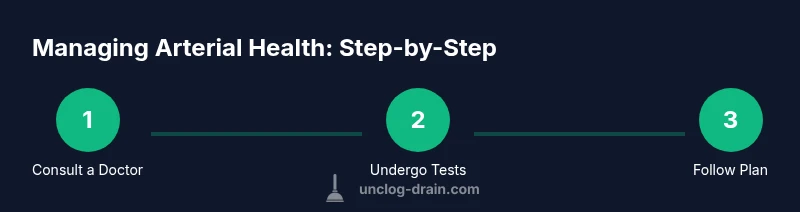
- 1
Schedule medical evaluation
Contact your primary care physician or a cardiologist to discuss symptoms, risk factors, and the need for testing. This first step establishes a safe, evidence-based path forward rather than attempting self-treatment.
Tip: Bring a list of medications, family history, and any chest discomfort details to help the clinician assess risk quickly. - 2
Undergo recommended diagnostics
Complete tests such as ECG, lipid panel, and imaging studies as advised. The goal is to identify blockages and evaluate heart function under controlled, clinical conditions.
Tip: Ask why each test is needed and how results will influence treatment decisions. - 3
Discuss treatment options
Review medical therapies (statins, antiplatelets, blood pressure meds) and interventional options (angioplasty with stent, CABG) based on your specific case.
Tip: Request a clear explanation of benefits, risks, and long-term outlook for each option. - 4
Implement risk-reduction plan
Adopt physician-approved lifestyle changes, including diet, exercise, and smoking cessation, aligned with medical therapy to reduce progression and future risk.
Tip: Set measurable goals (e.g., 150 minutes of activity per week) and track progress with your clinician. - 5
Schedule follow-ups
Plan regular check-ins to monitor symptoms, adjust medications, and review test results.
Tip: Keep a symptom diary and share changes with your care team between visits. - 6
Know emergency signs
Be aware of signs of a heart attack or sudden blockage: chest pressure, severe shortness of breath, sweating, or fainting. Seek emergency care immediately.
Tip: If in doubt, call emergency services; faster care improves outcomes.
Common Questions
What does it mean if an artery is blocked?
A blocked artery means blood flow to a region of the heart is reduced or halted, which can cause chest pain, heart attack, or stroke. It often results from plaque buildup and clots and requires medical evaluation for appropriate treatment.
A blocked artery means reduced blood flow to the heart, which needs a doctor’s evaluation for proper treatment.
Can lifestyle changes reverse arterial blockage?
Lifestyle changes can slow progression and reduce risk, but they do not reliably reverse established blockages. Medications and possibly procedures are usually required to restore blood flow.
Lifestyle changes slow progression, but meds or procedures are often needed to restore blood flow.
Are home remedies effective for unclogging arteries?
No proven home remedies can reliably unblock arteries. Rely on medical evaluation and evidence-based therapies prescribed by a clinician.
There isn’t a proven home cure; see a clinician for proven therapies.
What are common treatments for blocked arteries?
Treatments include medications to manage risk factors and invasive procedures like angioplasty with stent or CABG, chosen based on blockage location and overall health.
Treatments are meds plus procedures like angioplasty or bypass, chosen by your doctor.
How long does recovery take after artery procedures?
Recovery varies by procedure and individual health. Follow-up care, rehabilitation, and lifestyle changes are important for long-term success.
Recovery depends on the procedure and your health; follow your doctor's plan.
When should I seek emergency help for heart symptoms?
Seek emergency care if you experience chest pressure, severe shortness of breath, that lasts more than a few minutes, or radiating pain, as these can signal a heart attack.
If chest pressure or severe shortness of breath occurs, call emergency services immediately.
Watch Video
Key Points
- Understand arteries and why DIY fixes are unsafe.
- Seek professional evaluation for possible blockages.
- Medical treatments range from meds to procedures.
- Lifestyle changes support medical therapy and risk reduction.
- Work closely with healthcare providers and monitor symptoms.