How to Stop Drains Getting Blocked: A Practical DIY Guide
Prevent drain blockages with practical, safe prevention steps, routine maintenance, and clear instructions to keep sinks, showers, and toilets flowing. Learn when to use DIY methods and when to call a professional.


You can stop drains from getting blocked by adopting a proactive maintenance routine, choosing safe cleaners, and addressing clogs promptly. Start with a simple monthly check, install strainers, avoid pouring grease or large food scraps down sinks, and tackle slow drains early. For tub and shower drains, remove hair buildup regularly.
Causes of Blockages in Domestic Drains
According to Unclog Drain, the most common culprits behind blocked drains are simple, everyday materials that accumulate over time. Hair and soap scum are notorious in bathroom drains, while cooking oil, grease, and food particles clog kitchen pipes. In toilets, non-flushable items and excessive toilet paper can compose stubborn blockages. Even seemingly harmless items like a cotton swab or paper towels can catch and form a bottleneck. Over time, mineral deposits, soap residues, and mineral-rich hard water can gradually reduce pipe diameter. Root intrusions from older sewer lines can also surprise homeowners with sudden, severe clogs. Understanding these causes helps you tailor prevention and treatment so you know how to stop drains getting blocked before a crisis occurs.
Brand note and practical context
The Unclog Drain approach emphasizes prevention as the most reliable strategy. By recognizing which materials most frequently cause blockages, you can implement targeted habits that reduce clog risk across kitchen, bathroom, and laundry drains. This mindset—addressing the root causes rather than just reacting to clogs—delivers long-term results and fewer emergencies.
Prevention mindset: the 80/20 rule in action
Most drain problems arise from predictable daily habits. If you align 80% of your routine toward prevention (screens, disposal discipline, periodic flushing) and reserve 20% for occasional maintenance (snakes or professional checks), you can dramatically lower clog frequency. The practical takeaway is to invest in simple preventive steps that protect all drains, not just the obvious problem areas. This approach helps you maintain a smoother plumbing experience and reduces the need for drastic remedies.
Daily habits that help you stop drains getting blocked
Small changes add up. Use drain strainers at every sink to catch hair, food scraps, and lint. Never pour grease, oil, or thick sauces down the sink; let them solidify and dispose of them in the trash. Run hot water for 15–30 seconds after each use to help wash away residues, especially after cooking. In showers and bathtubs, use a hair catcher and scrape soap scum from surfaces weekly. For toilets, avoid flushing non-flushable items and consider a toilet paper and wipe disposal routine that minimizes buildup. Consistency is the key to ongoing prevention.
Safe, DIY cleaning methods that work
When a slow drain appears, start with non-chemical methods first to protect pipes and the environment. Flush with boiling water in stages (do not use boiling water on PVC pipes that may deform). Follow with a baking soda and hot water flush, then a measured dab of white vinegar to fizz away minor buildups. If you opt for enzymatic cleaners, use them as directed and give them time to work—usually several hours or overnight for best results. Avoid mixing cleaners, especially ammonia and bleach, which can release toxic gases. Enzyme cleaners can be particularly helpful for organic buildup in bathroom drains and pipes, while baking soda and vinegar provide a gentle initial approach for kitchen drains.
Tools and techniques for clearing slow drains
For stubborn clogs, mechanical methods beat chemical cleaners for safety and long-term results. A plunger with a flange is effective for toilets and sinks when used correctly, creating a strong seal and pressure to dislodge blockages. A drain snake or auger can reach deeper clogs in traps and pipes; use steady, gentle rotation to avoid damaging the pipe. For more persistent issues, you may need a toilet auger or professional-grade snake. Always wear gloves and protect the area with towels to catch splashes. After clearing, flush with hot water and test the drain by running water slowly to confirm free flow.
Maintenance schedule you can stick to
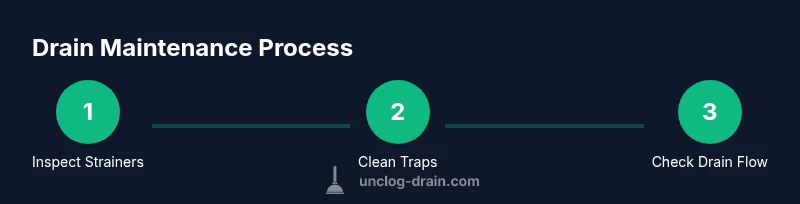
Establish a simple monthly routine: inspect strainers, clean hair from traps, and perform a preventive flush. Quarterly checks should include a thorough trap cleaning and a test of all drains using a slow, steady stream of hot water. If you have older pipes or a history of frequent clogs, schedule an annual professional inspection to assess the sewer line and venting. Maintaining a log helps you spot patterns, such as recurring kitchen grease buildup or hair accumulation in bathroom drains, enabling proactive fixes before a blockage forms.
When to call a professional and what to expect
If you’ve tried safe DIY methods for a reasonable period and the drain remains slow or blocked, it’s time to call a plumber. Signs include repeated clogs in multiple fixtures, sewage odors, gurgling sounds, or water backing up. A professional can identify root causes, inspect the sewer line, and clear blockages with specialized equipment. They can also advise on long-term solutions such as venting corrections or pipe replacements if needed. Early professional consultation can prevent costly damage and protect your home’s plumbing system.
Authority sources and practical references
For further reading on best practices and safety considerations, consult authoritative sources. Here are a few reputable references to deepen your understanding (Government/edu sources):
- https://www.epa.gov
- https://extension.psu.edu
- https://www.osha.gov
Quick troubleshooting checklist for every home
- Inspect strainers and traps; clean as needed.
- Avoid flushing non-degradables; dispose in trash.
- Use mechanical methods first (plunger, snake).
- Flush with hot water or gentle cleaners; avoid chemical mixtures.
- Schedule regular maintenance and seek professional help for persistent issues.
Tools & Materials
- Plunger (cup or flange)(Choose a plunger that forms a good seal for the fixture (sink or toilet).)
- Drain snake / auger(Manual or toilet auger for deeper clogs.)
- Bucket(Catch wastewater during cleaning.)
- Rubber gloves(Protect hands from dirty water and cleaners.)
- Mesh strainer / drain guard(Prevents hair and debris from entering the drain.)
- Baking soda(Part of a gentle cleaning flush.)
- White vinegar(Works with baking soda for fizzing action.)
- Kettle or pot for boiling water(For a hot-water flush after baking soda method.)
- Enzyme-based drain cleaner (optional)(Child- and pet-safe option that needs time to work.)
Steps
Estimated time: 30-60 minutes
- 1
Prepare the workspace and safety gear
Set up the area with towels or a shallow tray to catch spills. Put on gloves, and read any product labels if you plan to use cleaners. Ensure children and pets are away from the workspace.
Tip: Wear eye protection if you expect splashes; never mix cleaners. - 2
Clear visible debris from the drain
Remove visible hair, soap scum, or food particles from the drain opening and nearby surfaces. Use a flashlight if needed to inspect the trap area.
Tip: A bucket nearby helps capture debris and avoid a mess. - 3
Try a plunger first
Place the plunger over the drain to create a tight seal and push firmly up and down. Use several rapid motions to build pressure and dislodge the clog.
Tip: If plunging a toilet, use a flange plunger and ensure a water-filled bowl for best suction. - 4
Use a drain snake for deeper blockages
Insert the snake into the drain and rotate it to hook the clog. Slowly pull back while coaxing the blockage free.
Tip: Do not force the snake; resistance may indicate a deeper issue. - 5
Flush with hot water or a baking soda-vinegar mix
Pour a kettle of hot water down the drain after the clog clears. Alternatively, pour half a cup of baking soda, add vinegar, wait 15 minutes, then flush with hot water.
Tip: Avoid using boiling water on PVC pipes if you’re unsure about pipe health. - 6
Test the drain and clean up
Run water through the drain to ensure it’s flowing freely. Wipe down the area and store tools properly for next time.
Tip: Keep a log of the date and result for future reference.
Common Questions
What causes drains to block most often in homes?
Hair, soap scum, grease, and food particles are the top culprits. Over time, these materials accumulate and form clogs in kitchen and bathroom drains. Toilet blockages are often due to wipes, sanitary products, or excess toilet paper.
Hair and soap scum are common culprits behind clogs in bathrooms, while grease and food particles lead kitchen drains to slow down or block.
Can baking soda and vinegar prevent blockages?
Baking soda and vinegar can help loosen minor buildups and provide a benign cleaning action. They are safer for frequent use than harsh chemical cleaners, but they may not clear a stubborn clog.
Baking soda and vinegar can help with minor buildups but may not clear stubborn clogs; they’re safer for regular maintenance.
Is it safe to use chemical drain cleaners?
Chemical drain cleaners can damage pipes and cause hazardous reactions if mixed with other products. They should be used sparingly and only as a last resort, following the product instructions carefully.
Chemical cleaners can damage pipes and are risky to mix with other products. Use them only if necessary and follow the label.
How often should I inspect drains for maintenance?
A monthly quick check of strainers and traps is a good baseline. A more thorough annual inspection by a professional helps identify issues in sewer lines or venting.
Check strainers monthly and plan a professional sewer inspection once a year if you have frequent clogs.
When should I call a plumber?
Call a plumber if clogs persist after DIY attempts, if you notice sewage backup, or if multiple fixtures are affected. A professional can diagnose root causes and prevent further damage.
If clogs persist after DIY methods or you see backups, call a plumber to diagnose and fix the underlying issue.
Do hair catchers really help?
Yes. Hair catchers reduce hair buildup in bathroom drains, which is a major factor in slow drains. Clean them regularly for best results.
Hair catchers help prevent hair from entering the drain and slowing things down—clean them often.
Watch Video
Key Points
- Start with prevention and routine maintenance.
- Use mechanical methods before chemical cleaners.
- Install strainers and avoid disposing of grease down drains.
- Know when to escalate to a professional.
- Document maintenance to spot recurring issues.