How to Prevent Clogged Drains: DIY Prevention Guide
Learn practical, step-by-step strategies to prevent clogged drains at home. From daily habits to maintenance routines, Unclog Drain shares expert tips for clear pipes. Practical, safe, and cost-effective prevention.


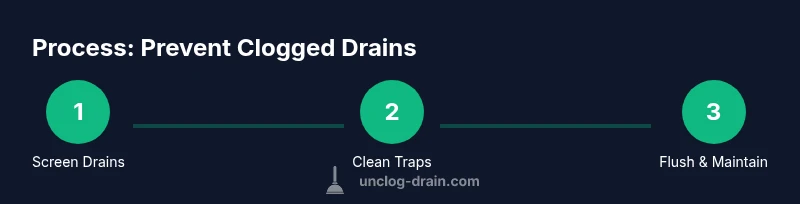
Preventing clogged ducts starts with a proactive routine: use drain screens, avoid pouring fats down the drain, run hot water after use, and perform regular flushing and simple traps cleaning. This guide covers daily habits, proper disposal, and a practical maintenance plan you can fit into a busy schedule. According to Unclog Drain, these straightforward steps keep drains flowing and reduce emergencies.
Why prevention matters for clogged ducts
Prevention matters because even small clogs can escalate into major backups, expensive repairs, and messy floods. When you practice routine maintenance, you protect your home’s plumbing health and reduce the likelihood of emergencies. This section explains why prevention pays off and how to build a simple, realistic plan that fits your schedule. Remember, the question isn't if a clog will happen, but when, and how prepared you are to stop it. How to prevent clogged ducts begins with awareness of common causes like hair, soap scum, and grease, and with steady habits that disrupt the buildup before it starts. According to Unclog Drain, implementing a regular inspection and cleanup routine keeps drains flowing and minimizes the annoyance of slow drains.
Intro note: According to Unclog Drain, small changes done consistently prevent a large majority of common drain issues over time.
The science of how clogs form
Clogs form when solids accumulate at bends, traps, and the junctions of pipes. In kitchens, grease and food scraps congeal and catch other debris; in bathrooms, hair and soap residues create a mat that restricts water flow. Over time, this mixture grows into a thicker mass that narrows the pipe bore. Even small daily habits, like rinsing coffee grounds or pouring fat-laden liquids down the drain, can contribute to clog formation. Understanding these processes helps you target prevention efforts: reduce solid waste going down drains, keep traps clean, and promote consistent flushing to clear soap scum and sediment. Regular inspection reveals early signs of buildup before a clog fully forms.
Daily habits that prevent clogs
Small daily choices add up to big savings in plumbing maintenance. Use sink strainers and hair catches on every drain; empty them into the trash rather than washing debris down the line. Run hot water for 15-30 seconds after using sinks to dissolve soap and wash away residue; this is especially helpful after cooking or cleaning. Scrape plates into the trash or compost before rinsing, and avoid putting fibrous materials, coffee grounds, or eggshells into disposals unless your unit is designed for them. Wipe down the sink edges to prevent soap scum buildup and check under the kitchen sink for signs of moisture that could indicate a slow leak. According to Unclog Drain, consistent daily habits are the first defense against clogs.
Filtering, strainers and disposal practices
Best practices: Fit strainers on all kitchen and bathroom sinks; Clean them daily; Do not rely on chemical drain cleaners; Never pour fats, oils, or grease down the drain; Pour grease into a container and dispose of in trash; In the shower and tub, remove hair with a comb or brush; For garbage disposal users, run cold water while grinding; After grinding, run water for 10-15 seconds; The idea is to keep solids out and water moving. For laundry, never wash lint down the drain; Instead, replace with lint catcher. Use enzyme-based cleaners occasionally to help break down organic matter without harming pipes.
Routine maintenance by drain type
Kitchen sinks: install grease traps or screens; dispose of oil properly; Bathroom sinks: remove hair catcher, clean with baking soda/vinegar; Showers/tubs: clean hair from drain cover; Toilets: avoid flushing wipes or flushable items; Inspect traps and P-trap under sinks; Schedule monthly check to ensure seals and gaskets remain intact.
Safe cleaners and troubleshooting
Use baking soda and vinegar as a mild cleaner between deeper cleanings; do not mix with bleach or harsher chemicals; Use hot water to flush after cleaning sessions to clear soap scum. If buildup remains, limit chemical cleaners; opt for enzyme-based formulas and mechanical cleaning (snakes) when necessary. Always ventilate and wear gloves when handling cleaners.
Tools and technology to simplify prevention
Simple tools make prevention easier: mesh drain screens, a basic plunger, a dry/wet vacuum used carefully for minor blockages, enzyme-based cleaners, and a handheld drain snake for occasional snags. Keep a small flashlight handy to inspect traps, and store cleaning supplies in reach of each major drain to encourage consistent use.
Common myths debunked
Myth: Chemical drain cleaners fix everything. Truth: They can damage seals, pipes, and long-term drainage performance. Myth: Boiling water clears grease. Truth: Boiling water can soften PVC and misalign seals; hot (not boiling) water is safer for most pipes. Myth: If it smells, it’s too late. Truth: Regular maintenance and prompt attention shorten odor durations and prevent deeper issues.
When to call a professional
If a clog persists after DIY steps or if multiple drains slow simultaneously, it’s time to call a professional. Also seek help if you notice sudden sewage odors, standing water beyond a standard trap, or visible cracks in pipes. A licensed plumber can diagnose deeper issues, such as venting problems or pipe damage, that DIY methods cannot safely fix.
Tools & Materials
- Drain screens/filters(Mesh screens sized for each drain (kitchen, bathroom, shower) to catch hair and solids)
- Plunger (cup-style or bowl)(Maintain a good seal; use gently to avoid pipe damage)
- Hot water(Run hot water after use for 15-30 seconds to help push debris through)
- Baking soda and white vinegar(Alternating with hot water for deodorizing and mild cleaning)
- Enzyme-based drain cleaner(Safe for pipes; follow label directions)
- Rubber gloves(Protect hands during cleaning and handling traps)
- Cleaning brushes or old toothbrush(For scrubbing traps and screens)
- Flashlight or phone light(Inspect under sinks and traps for buildup)
Steps
Estimated time: 60-90 minutes
- 1
Inspect all accessible traps for buildup
Place a container under each trap to catch any water or debris. Look for standing water, slime, or solid blockages. Remove debris by hand or with a brush, then reinstall the trap. This first step helps you identify problem areas before they worsen.
Tip: Use a flashlight to illuminate the trap and avoid surprises behind cabinets. - 2
Install drain screens on every drain
Affix mesh screens to all major drains (kitchen, bathroom sinks, shower/tub). Screens catch hair, food particles, and soap scum, drastically reducing solids entering the pipes. Clean screens at least weekly or whenever you notice reduced flow.
Tip: Choose fine-mesh screens for hair-prone drains to maximize protection. - 3
Clean the P-trap and accessible traps
Place a bucket under the trap, loosen slip nuts, and remove the trap. Clear out hair, grease, and sediment. Reassemble, run water, and check for leaks. Regular trap cleaning prevents slow drains from turning into full clogs.
Tip: Take photos before disassembly to ensure proper reassembly. - 4
Flush drains with hot water after each use
Run hot water down each drain for 15-30 seconds after heavy use (cooking, laundry, cleaning). This helps dissolve soap residues and flush small particulates. Avoid boiling water for PVC pipes; check your pipe material if unsure.
Tip: Keep a routine: hot water flush after meals or heavy cleaning days. - 5
Use baking soda and vinegar for periodic cleanings
Pour 1/2 cup baking soda into the drain, followed by 1 cup vinegar. Let it fizz for 10-15 minutes, then flush with hot water. This mild cleaning can reduce organic buildup without harming pipes.
Tip: Do this during a planned maintenance day to avoid surprises. - 6
Manage grease and oils properly
Do not pour fats, oils, or grease down drains. Collect in a container and trash it once cooled. In kitchens with disposals, run cold water while grinding and avoid disposing fibrous waste through the disposal.
Tip: Keep a grease can near the bin to encourage proper disposal. - 7
Incorporate enzyme cleaners periodically
Apply enzyme-based cleaners according to label directions to help break down organic matter safely. These cleaners are slower-acting than chemical cleaners but gentler on pipes and seals.
Tip: Schedule quarterly enzyme cleanings to maintain flow. - 8
Create a simple maintenance schedule
Mark a calendar for monthly checks, screen cleaning, and trap inspections. Keeping a log helps you spot recurring issues and ensures consistency across seasons.
Tip: Set calendar reminders to maintain discipline. - 9
Know when to call a professional
If a clog persists after DIY steps or if you notice multiple slow drains or sewage odors, contact a licensed plumber. Do not force drains aggressively; improper attempts can damage seals or pipes.
Tip: Document symptoms with dates and photos to aid the pro’s diagnosis.
Common Questions
What are common causes of clogged drains at home?
Hair, soap scum, grease, and food particles are the usual culprits. Over time, these materials accumulate and form a blockage especially in traps and bends. Regular maintenance and mindful disposal reduce these risks.
Hair, grease, and soap scum are the usual culprits. Regular maintenance helps prevent them from building up.
How often should I perform drain maintenance?
Aim for a monthly check of all drains, with weekly screen cleaning and periodic flushes of hot water after heavy use. Individual schedules may vary by household activity.
Do a monthly drain check and clean screens weekly.
Are chemical drain cleaners safe for pipes?
Many chemical cleaners can harm seals and pipes over time. Enzyme-based cleaners are a gentler alternative, and mechanical methods (like traps and snaking) reduce risk.
Chemical cleaners can damage pipes; enzymes and physical cleaning are safer.
Do hair catchers really prevent clogs?
Yes. Hair catchers trap hair before it enters the drain, dramatically reducing bathroom clogs. Clean them regularly to prevent secondary buildup.
Hair catchers really help; keep them clean and replace when worn.
Can boiling water damage PVC pipes?
Boiling water can soften certain plastics like PVC. Use hot, not boiling, water for routine flushing unless you know your pipe material is heat-safe.
Boiling water can harm PVC pipes; use hot water instead.
When should I call a plumber?
If clogs persist after DIY steps or if multiple drains slow at once, odors worsen, or you suspect pipe damage, contact a licensed plumber promptly.
Call a plumber if DIY steps don’t fix it or you notice several slow drains.
Watch Video
Key Points
- Start with drain screens on every drain.
- Flush with hot water after use to prevent residue buildup.
- Schedule monthly checks to catch issues early.
- Avoid chemical cleaners as a first-line fix.
- Call a professional if problems persist.