How to Check a Clogged Fuel Filter: A DIY Guide
Learn how to check a clogged fuel filter, diagnose symptoms, and safely replace it to restore engine performance. A practical, step-by-step guide for homeowners and DIY enthusiasts.


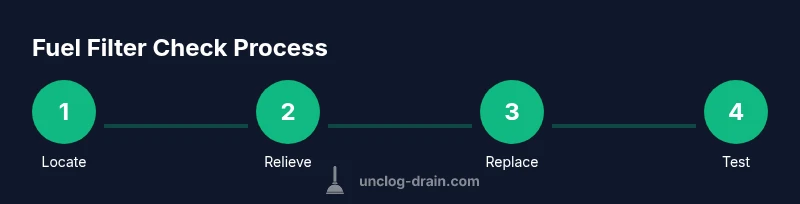
With this guide, you will learn how to check clogged fuel filter and diagnose related performance symptoms. You’ll identify signs like engine hesitation and hard starts, locate the filter, relieve pressure, and replace it if needed. This process helps prevent fuel delivery issues and engine damage, extending the life of your vehicle's fuel system.
Why Checking a Fuel Filter Matters
A clogged fuel filter can rob your engine of the steady supply of clean fuel it needs to run smoothly. The filter's job is to trap contaminants and water that would otherwise reach the fuel injectors or carburetor. When the filter becomes restricted, fuel flow drops, pressure in the fuel rail fluctuates, and you may notice symptoms such as stalling, misfires, slow acceleration, or reduced power. Regularly inspecting the fuel filter as part of routine maintenance helps prevent expensive damage and improves overall reliability. Even if you don’t notice overt symptoms, deposits can accumulate over time, especially with dirty gasoline or long service intervals. Diesel engines use different filter materials and sometimes have multiple stages, but the principle is the same: keep the fuel clean to protect the engine. According to Unclog Drain, maintaining system cleanliness and preventive checks in non-drain contexts still pays off by reducing the risk of clogs and performance issues. A scheduled check can catch a partially blocked filter before it causes a fuel-starved engine, awkward idle, or unexpected stalling at highway speeds.
Symptoms That Point to a Clogged Fuel Filter
If the fuel filter is clogged, you might notice engine hesitation, stumbling, or surges when you accelerate. Other common signs include hard starts, longer cranking before the engine fires, reduced fuel economy, and engine misfires at idle. In some cases, the check engine light may illuminate due to fuel-system pressure faults. When the filter is blocked, the fuel pump may strain and produce a whining or buzzing noise in older vehicles. It’s important to differentiate filter symptoms from issues like a failing fuel pump, dirty injectors, or vacuum leaks. Unclog Drain analysis shows that fuel-system stress due to clogged filters is a common cause of reduced performance and drivability problems. If you notice any of these symptoms, plan a quick inspection, especially before a long trip. Inspecting the filter location, reading the service manual, and noting fuel pressure readings (if your vehicle supports it) can help you decide whether replacement is needed.
Safety and Preparation: What to Do Before You Start
Working with fuel requires respect for fire safety and ventilation. Park in a well-ventilated area away from open flames, wear eye protection and gloves, and have a suitable container to catch fuel. Disconnect the negative battery cable if you work near electrical components or insulation. Relieve the fuel system pressure according to your vehicle’s service manual; this step reduces fuel spray when lines are loosened. Keep rags handy to wipe spills and place a catch pan under the connection points. If you smell strong gasoline odors or see fuel pooling, stop and consult a professional. Always work with an engine cool to minimize the risk of burns. These precautions protect you and limit environmental impact while you perform checks or replacement.
How to Choose and Prepare a Replacement Fuel Filter
Fuel filters are vehicle-specific; check your owner’s manual or parts adapter for the right part number and micron rating. Determine whether your system uses a single filter (gasoline engines) or multiple stages (diesel with water separators). Buy a new filter from a reputable supplier and, if possible, replace O-rings or seals to ensure a proper seal. Prepare a clean workspace and layout the new filter and tools in the order you will use them. Having a spare replacement gasket helps prevent delays. Consider using a filter with a clear bowl or translucent housing to inspect for water accumulation after installation, but note some models are not transparent. Keep the service manual handy to confirm torque specs and any auxiliary lines.
Understanding Filter Location and Access in Your Vehicle
Fuel filters are located in different places depending on the make and model. In many gasoline cars, the filter sits along the underbody fuel line near the fuel tank or around the engine bay; in some vehicles, it is inside the fuel pump module in the tank. Diesel engines often place filters in the engine bay or along the frame. Refer to your owner’s manual or a trusted repair guide to identify the exact location. Once located, assess accessibility and plan how to disconnect lines without bending fittings. If the filter is difficult to reach, you may need specialized tools or a service stand. Having a plan reduces the risk of damage to hoses or fittings and speeds up the replacement process.
How to Inspect a Fuel Filter: When to Replace vs. Clean
Visually inspecting a filter can often reveal clogging: dark, chunky, or wet-looking material indicates contamination. Do not attempt to 'clean' a fuel filter that is cotton or paper-based; cleaning may push contaminants further into the system. For metal canisters or new filter housings, light cleaning around the exterior is fine, but replacement is usually recommended. If you are unsure, test by removing the filter and attempting to slowly flow fuel by hand or using a service manual's procedure; if there is resistance, plan for replacement. After installation, prime the system according to instructions, and cycle the ignition to pressurize the line before starting the engine. If the engine runs rough after start, check for leaks and re-check clamps.
Troubleshooting Without Replacing: Quick Checks
If you’re not ready to replace the filter, you can perform a quick assessment to rule out other causes of hard starting or poor performance. Check for fuel pump relay issues, clogged fuel injectors, or vacuum leaks that could mimic a clogged filter’s symptoms. Verify that the fuel cap seals properly to prevent vapor lock and test the fuel pressure against the vehicle’s spec. Remember, fuel systems operate under pressure; do not loosen multiple fittings at once—loosen gradually and only after depressurizing. If the filter proves stubborn or the symptoms persist, replacement is the most reliable fix.
Maintenance and Prevention: Keeping Fuel Flow Clear
Schedule regular inspections of the fuel system as part of vehicle maintenance, especially when using lower-quality fuel or long intervals between services. Use high-quality fuel and consider a fuel-system cleaner compatible with your engine as a preventive aid, but never rely on additives to compensate for a severely restricted filter. After a successful replacement, record the service in your vehicle’s maintenance log, and set a reminder for your next replacement based on manufacturer recommendations. Keeping the fuel system clean protects ignition performance, reduces emissions, and keeps your drivetrain running smoothly.
Tools & Materials
- Safety glasses(Eye protection; prevent fuel splash exposure)
- Chemical-resistant gloves(Keep skin safe from gasoline)
- Catch pan(Contain spilled fuel during removal)
- Rags or paper towels(Wipe spills and clean fittings)
- Torque wrench or adjustable wrench set(Reconnect fittings to spec)
- Replacement fuel filter(Match your vehicle’s make/model)
- Fuel-safe container for used filter(Dispose properly per local rules)
- Service manual or OEM guide(Torque specs and sequence)
Steps
Estimated time: 30-60 minutes
- 1
Prepare workspace and safety
Park on a flat surface in a well-ventilated area. Gather all tools and your replacement filter. Put on safety glasses and gloves, disconnect the negative battery cable if you’ll be near electrical components, and have a catch pan ready. Protect yourself from fumes by working away from open flames and ensuring good ventilation. This step reduces risk and sets up a clean workflow.
Tip: Label hoses before removal to reattach correctly and avoid cross-connections. - 2
Locate the fuel filter and relieve pressure
Consult your manual to locate the filter on your vehicle. Before disconnecting any hoses, relieve fuel-system pressure by using the appropriate procedure for your model (some may require removing the fuel pump fuse or relaying the pressure). This minimizes spray and simplifies the removal process.
Tip: Relieving pressure first prevents splashes and makes the lines easier to detach. - 3
Disconnect lines and remove the old filter
Carefully loosen clamps or fittings; support lines to avoid bending. Remove the filter and inspect the condition of the O-rings or seals. If the lines are stiff, avoid forcing them; cut clamps and replace with new ones if necessary. Keep the removed filter in the catch pan to observe the contaminants inside.
Tip: Take photos during disassembly to reference when reassembling. - 4
Inspect the filter and determine replacement needs
Examine the filter media for dark, chunky, or water-laden material. If the filter is paper or cotton-based and shows significant signs of clogging, replace it rather than attempting a cleaning. If the housing is damaged, replace it as well to prevent leaks. Confirm that the replacement part matches the original specification.
Tip: If you’re unsure about the filter’s condition, lean toward replacement. - 5
Install the new filter and reconnect lines
Fit the new filter in the correct orientation, ensuring any flow direction arrows match the system. Reconnect hoses with new clamps if needed, and ensure a snug, leak-free seal. Wipe the area and double-check for kinks or misalignments in the lines.
Tip: Always replace O-rings and seals if the kit includes them. - 6
Prime the fuel system and test for leaks
Turn the ignition to pressurize the fuel line and check for leaks around all connections. If your vehicle requires it, cranking the engine a few times without starting can help prime the line. Once pressure is built, start the engine and listen for abnormal noises or hissing—these indicate leaks or loose connections that require immediate attention.
Tip: Do not run the engine long if you detect fuel odor—address leaks immediately. - 7
Clean up and dispose of old parts
Seal and bag the old filter for disposal according to local regulations and wipe any residual spills. Recycle any metal parts when possible. Reset any service light if applicable and log the maintenance in your vehicle’s records.
Tip: Maintain a tidy workspace to prevent fuel-soaked rags from posing a fire risk.
Common Questions
Do I need to depressurize the fuel system before removing the filter?
Yes. Depressurizing the system minimizes fuel spray and reduces the risk of injury. Follow your vehicle’s manual for the correct procedure and do not skip this step.
Yes, depressurize the fuel system before removing the filter to reduce spray and exposure.
Can I drive with a clogged fuel filter?
Driving with a severely clogged filter can cause engine stalling, hesitation, and poor performance. It’s best to replace the filter promptly and avoid extended driving until fixed.
No, driving with a clogged filter risks engine damage and poor performance.
Should I replace other components when replacing the filter?
If your service kit includes O-rings or seals, replace them. Check clamps and hoses for wear, and replace any damaged components to prevent leaks.
Yes—replace seals and check nearby hoses for wear.
How can I tell if the filter is clogged due to bad gasoline?
Look for water droplets in the fuel, unusual sediment, or frequent water contamination in the filter housing. If you suspect bad gasoline, consider draining or replacing fuel in the tank and using a reputable fuel source.
Look for sediment or water in the filter; suspect bad gasoline if you see water in the housing.
Is it safe to use fuel-system cleaners when the filter is clogged?
Fuel-system cleaners can help with minor contamination but are not a substitute for a clogged filter. If in doubt, replace the filter and seek professional advice.
cleaners aren’t a substitute for a clogged filter—replacement is often necessary.
What should I do if I can’t access the fuel filter easily?
If access is difficult, consult the service manual or a professional. For safety, avoid forcing connections—misalignment can lead to leaks or damage.
If it’s hard to reach the filter, get professional help rather than forcing parts.
Watch Video
Key Points
- Identify symptoms early to prevent engine fuel-delivery issues.
- Relieve pressure before disconnecting fuel lines to avoid spills.
- Replace rather than attempt to clean a clogged filter.
- Check for leaks after installation and secure all connections.
- Dispose of used fuel components safely and recycle when possible.