Unclog Fuel Injectors: A Practical DIY Cleaning Guide
Learn practical, step-by-step methods to unclog fuel injectors, compare chemical cleaners and mechanical cleaning, and know when to seek professional help for better engine performance.


You can improve engine performance by safely cleaning fuel injectors at home. Start with a trusted fuel-system cleaner in the gas tank or opt for a more thorough approach by removing and cleaning the injectors. Follow safety steps, and know when to call a pro for stubborn clogs.
Why fuel injector cleanliness matters
Fuel injectors deliver precise droplets into the combustion chamber, ensuring efficient mixing of air and fuel. Over thousands of miles, tiny deposits from fuel and additives can build up, causing partial or complete flow restriction. When injectors are clogged or dirty, you may notice rough idle, reduced power, hesitation, and degraded fuel economy. The goal of cleaning is to restore proper spray patterns and flow. According to Unclog Drain, the underlying principle of maintaining a clean system—whether for drains or engines—is preventative care: small, regular maintenance reduces the risk of larger, costly failures later. In practice, this means treating your fuel system with the same respect you give for home plumbing—consistent maintenance reduces the chance of major clogs developing.
Signs your fuel injectors may be clogged
Look for symptoms such as rough idling, engine misfires, decreased acceleration, higher fuel consumption, and poor engine response under load. You might also notice increased exhaust smoke or a noticeable drop in performance after towing or climbing hills. If you drive a vehicle with frequent stop-and-go traffic, deposits can form faster due to incomplete combustion. A fuel trim imbalance shown by a scan tool can indicate injector flow problems. While some symptoms mimic other issues (spark plugs, coils, or sensors), persistent injector symptoms should be investigated. Documenting when the symptoms occur helps you diagnose whether cleaners or mechanical cleaning are appropriate.
DIY vs. professional cleaning: making the call
DIY cleaning with a bottle of fuel-system cleaner in the tank is a common first step for mild symptoms. This approach is inexpensive and quick, and it works best when the clog is minor or deposits are soft. If symptoms persist after several tanks of cleaner, or if you have a higher-mileage engine with known injector wear, professional cleaning—often using ultrasonic methods or injector bench cleaning—may be warranted. Remember that some engines rely on precise injector timing and sealing; disturbing these parts without proper tools can cause leaks or more severe issues. Unclog Drain emphasizes that when a problem is suspected to be mechanical rather than chemical, a professional evaluation is wise to avoid unnecessary disassembly.
How fuel injector cleaning works: chemical vs. mechanical
Chemical cleaning uses fuel-system cleaners or additives that dissolve varnish and deposits as the fuel passes through the injectors. Mechanical cleaning involves removing injectors and cleaning them with specialized equipment, often including ultrasonic baths and precision testing to restore spray patterns. In many cases, a combination approach yields the best results: a chemical cleaner in the fuel circuit to loosen deposits, followed by mechanical cleaning for stubborn clogs. It’s important to follow product instructions and avoid over-treating, which can cause fuel system residue or sensor contamination. Always ensure the engine is not hot and the fuel system pressure is released before any disassembly.
Step-by-step overview (high level) for DIY approaches
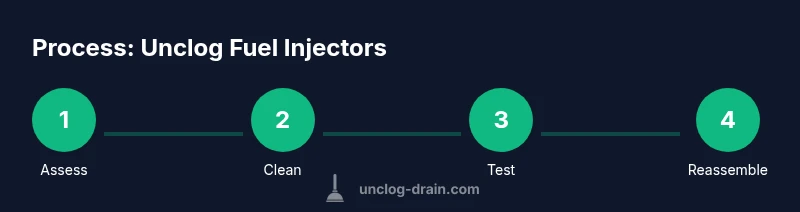
- Start with a fuel-system cleaner added to the fuel tank per product directions. Drive the vehicle for a day or two to let the cleaner work through the system. - If symptoms persist, you can inspect the fuel rail and injectors for loosened fittings and signs of wear, which may require professional cleaning or replacement. - For stubborn clogs, consider removing the injectors and sending them to a professional shop for ultrasonic cleaning or bench testing. The goal is to restore proper spray patterns and injector impedance. - After cleaning, replace any worn O-rings or seals, reassemble with a careful torque sequence, and test for leaks before starting the engine. - Finally, monitor fuel economy and performance over the next few tanks to gauge improvement.
Safety first: basic cautions for DIY injector work
- Work in a well-ventilated area and away from ignition sources. - Disconnect the battery before any electrical work near the fuel system. - Relieve fuel pressure safely according to your vehicle’s service manual. - Use proper tools and avoid forcing connectors or stripping threads. If in doubt, pause and consult a service manual or a professional.
Maintenance tips to prevent future injector problems
- Use high-quality fuel from reputable stations to minimize varnish formation. - Consider a periodic fuel-system cleaner routine as part of your maintenance schedule, not just when symptoms appear. - Replace fuel filters as recommended by manufacturer intervals to prevent particulates from reaching injectors. - Keep the air intake clean; a dirty air filter reduces the risk of combustion byproducts clogging injectors. - Schedule regular inspections after major repairs or service to ensure the fuel system remains leak-free and properly sealed.
Tools & Materials
- Fuel system cleaner (bottle or additive)(Follow product directions for dosage and compatibility with your vehicle)
- Basic hand tools (wrench set, pliers)(For loosening clamps and connectors on the fuel rail)
- Safety equipment (gloves, eye protection)(Protect skin and eyes from fuel exposure)
- Vehicle service manual or factory torque specs(Verify correct torque and sequence when reassembling components)
- Fuel pressure gauge or release tool(Optional for safely releasing pressure in some systems)
- Clean rags and a drain pan(Contain spills and keep the work area clean)
- Ultrasonic cleaner (for injector removal)(Advanced option for thorough cleaning)
- Replacement injector O-rings or seals(Only if you remove injectors for cleaning)
- Torque wrench(Precise tightening when reinstalling fuel rail components)
Steps
Estimated time: 2-6 hours depending on method and vehicle model
- 1
Assess the symptoms and choose an approach
Identify whether symptoms are mild enough for a chemical cleaner or if you should consider injector removal and ultrasonic cleaning. Begin with the least invasive method to minimize risk.
Tip: If unsure, start with a fuel-system cleaner in the tank and monitor performance for 1–2 drive cycles. - 2
Prepare the work area and safety gear
Park on a level surface, disconnect the negative battery terminal, and gather all tools. Ensure the engine is cool before you touch any fuel components. Relieve fuel pressure if your vehicle requires it.
Tip: Wear eye protection and gloves; never work near open flames or sparks. - 3
Add cleaner to the fuel tank and drive
Pour the cleaner per the bottle’s instructions and fill the tank. Drive normally to allow the cleaner to circulate through injectors and the fuel rail. If the symptoms improve, you may choose to continue the cleaner for a few more tanks.
Tip: Do not mix cleaners or use incompatible additives with ethanol blends. - 4
Inspect and prepare for potential injector removal
If symptoms persist, inspect visible hoses and the fuel rail for leaks or obvious damage. Prepare a clean workspace and follow the service manual for fuel rail removal. If you proceed, plan to replace O-rings and seals upon reassembly.
Tip: Label connectors and take photos during disassembly to aid reassembly. - 5
Clean injectors (mechanical or ultrasonic)
Option A: Ultrasonic bath for individual injectors after removal. Option B: Return to in-tank cleaning if you’re not removing injectors. Reinstall with care after cleaning.
Tip: Ensure injectors are fully dry and reinstalled with fresh O-rings to prevent leaks. - 6
Test for leaks and verify operation
Reconnect the battery, start the engine, and monitor for leaks at all fuel connections. Check for smooth idle and rev behavior. If misfires persist, seek professional assessment.
Tip: If you hear unusual noises or see fuel smells, stop and reassess assembly.
Common Questions
What are the early signs of clogged fuel injectors?
Rough idle, engine misfires, reduced power, and decreased fuel economy are common indicators. If symptoms appear after long trips or towing, consider injector checks beyond simple cleaners.
Common signs include rough idling and loss of power. If these persist, inspect the injectors or seek a professional assessment.
Can using fuel injector cleaners damage my engine?
When used as directed, cleaners are generally safe. Overuse or using incompatible products can cause sensor contamination or residue buildup. Always follow manufacturer instructions.
Used as directed, cleaners are safe; don't overuse or mix products.
Is it worth removing injectors for cleaning on a daily-driver?
For mild symptoms, chemical cleaners often suffice. If there are persistent performance issues, removal and ultrasonic cleaning may be considered, especially on high-mileage engines.
Usually not necessary for a mild issue—consider it if cleaners don’t help.
How much does injector cleaning typically cost?
Costs vary by method and vehicle. A simple chemical treatment is inexpensive, while ultrasonic bench cleaning and replacement seals can be more, but estimates depend on the shop and engine type.
Costs vary; simple cleaners are cheap, professional cleaning costs depend on the vehicle.
When should I replace injectors instead of cleaning?
If injectors show significant wear, persistent failure after cleaning, or spray patterns remain poor, replacement may be the better long-term solution.
Replacement is usually best when cleaning fails to restore proper spray.
What’s the difference between chemical cleaning and ultrasonic cleaning?
Chemical cleaning uses additives in the fuel, while ultrasonic cleaning physically cleans each injector. Ultrasonic cleaning is typically more thorough but requires injector removal.
Chemicals dissolve deposits; ultrasonic cleaning removes them more aggressively after removal.
Can bad fuel cause injector problems?
Yes. Contaminated or poor-quality fuel can lead to varnish buildup and deposits on injectors. Using quality fuel and occasional cleaners helps prevent this.
Poor fuel quality can contribute to injector deposits; use good fuel and cleaners as needed.
Watch Video
Key Points
- Inspect symptoms to choose DIY vs professional help
- Chemical cleaners are cheaper and faster for mild clogs
- Mechanical cleaning may be necessary for stubborn deposits
- Always follow safety and torque specs when reassembling
- Prevent future clogs with good fuel, air, and maintenance habits