When to Clean Fuel Injectors: Signs, Timing, and DIY Tips
Learn when to clean fuel injectors, the signs of buildup, DIY vs professional options, and maintenance tips to keep your engine running smoothly. This guide explains intervals, costs, and outcomes to help homeowners and DIY enthusiasts decide the right moment for injector cleaning.


If your engine runs roughly, hesitates at takeoff, or your fuel economy has dropped, it may be time to consider cleaning the fuel injectors. Symptoms can vary with fuel quality and mileage, but a good rule of thumb is to inspect during routine maintenance and perform injector cleaning if deposits are suspected after a diagnostic check. For many newer vehicles, injector cleaning is optional unless symptoms or diagnostics indicate buildup.
What are fuel injectors and why do they clog?
Fuel injectors are precision components that spray a fine mist of gasoline into each cylinder at the right moment and duration. Their job is to ensure optimal atomization for efficient combustion. Over time, deposits from fuel—like varnish, detergents, and impurities—can build up on the injector nozzle or inside the intake port. This buildup disrupts spray patterns, alters fuel distribution, and can lead to rough idling, misfires, and reduced acceleration. The decision to clean is not universal; it hinges on symptoms, driving conditions, and the vehicle’s age. In many cases, a tune-up or a targeted cleaning can restore performance without major repairs. When considering injector cleaning, it helps to distinguish between in-tank cleaner additives and direct injector cleaning performed in a shop. The goal is to remove or minimize deposits while preserving proper spray characteristics. According to Unclog Drain Analysis, 2026, fuel quality and driving style are key factors in deposit formation, making proactive maintenance a prudent choice for vehicles with high-mileage or inconsistent fueling habits.
Signs your fuel injectors may be dirty
A clear set of indicators can point to injector deposits. Common symptoms include rough idle, engine misfires, and hesitation during acceleration or uphill climbs. A drop in fuel efficiency, even with steady driving, is another signal. You might also notice increased exhaust odor or black sooty deposits on the tailpipe when emissions are tested. These signs do not prove deposit buildup alone—other issues like ignition problems or a clogged air filter can mimic them. If you observe multiple symptoms concurrently, a diagnostic check (including fuel-trim data and injector pulse width) can confirm whether injectors are the culprits. Note that certain high-mileage engines may tolerate minor buildups without noticeable performance loss, while newer engines with precise injector control can respond quickly to even small deposits.
In-tank cleaners vs direct injector cleaning
There are two broad approaches: using fuel-system cleaners that you add to your tank and professional injector cleaning that targets the injectors directly. Tank additives are convenient and can help with light deposits, but their effectiveness is often limited for heavy buildup or clogged nozzles. Direct cleaning, performed with specialized equipment, can spray solvent formulations through the fuel rail and into each injector, sometimes combined with ultrasonic cleaning or flow testing. While DIY cleaners can support maintenance, direct cleaning by a trained technician tends to yield more consistent spray patterns and fuel distribution. The choice depends on symptom severity, budget, and whether the vehicle is under warranty.
How professional injector cleaning is performed
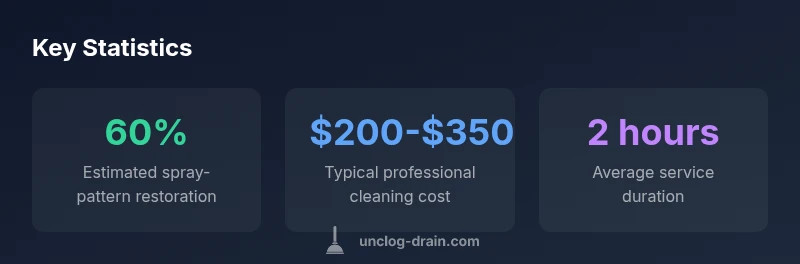
In a professional setting, technicians may perform a controlled cleaning procedure that includes isolating the fuel system, connecting a cleaning machine, and delivering a cleaning solution through the fuel rail. The injector nozzles are tested for spray pattern and flow rate, and any irregularities are diagnosed with data from the engine control unit. Ultrasonic cleaning or solvent flushes may be used to remove stubborn deposits. Depending on the vehicle, the service can take 60–120 minutes, and in some cases, the entire fuel-delivery system is checked for leaks and replaced if necessary. This approach offers a more definitive assessment of injector health and can improve cold-start performance and throttle response.
When to clean: timing and guidelines
There is no one-size-fits-all interval for injector cleaning. For many drivers, particularly those who use premium fuels or engage in heavy stop-and-go driving, periodic inspection during major service is reasonable. A general range cited by industry sources is every 30,000–60,000 miles, but this should be adjusted for fuel quality, driving style, and engine design. Warranties may require approved maintenance steps, so consult your owner’s manual before performing any service. If a diagnostic test shows injector flow imbalance or persistent deposits, cleaning is warranted regardless of mileage. For diesel engines, deposits can form differently, often needing a more frequent inspection schedule.
DIY considerations: safe alternatives and limits
DIY options include using reputable fuel-system cleaners and ensuring the fuel you buy is high quality and free of contaminants. While these products can help prevent buildup, they are not a cure for heavy deposits or clogged injectors. If you notice persistent performance issues after using a cleaner, or if the vehicle fails emissions testing, a professional cleaning is advised. When attempting any DIY fix, follow safety guidelines: work in a well-ventilated area, disconnect the battery if advised, and never disassemble high-pressure fuel lines unless you’re trained. Remember, injector cleaning can restore spray patterns but won’t fix mechanical wear alone.
What to expect in terms of results and costs
Injector cleaning can improve idle smoothness, throttle response, and overall drivability when deposits are the main cause of performance issues. The level of improvement depends on the severity of buildup and the efficacy of the method used. Costs vary by location and vehicle type but commonly fall within a broad range that reflects the difference between a basic additive treatment and full injector service. Keep in mind that some vehicles with severe deposits or fuel-system problems may require injector replacement rather than cleaning, which significantly changes the cost and timeline.
Maintenance habits to prevent future deposits
Prevention starts with fueling habits and fuel quality. Use reputable brands, avoid low-quality fuels, and consider periodic use of a mid-range fuel system cleaner as a preventive step. Regular air filter changes help reduce contaminants that could exacerbate injector deposits. If your driving consists mostly of short trips or idle-heavy operation, you may see deposits form more quickly, so a maintenance check may be more frequent. Monitor engine performance and schedule a diagnostic if symptoms reappear after a cleaning. A proactive approach can extend injector life and maintain efficient combustion.
Debunking common injector cleaning myths
Myth: Injector cleaning will fix all engine performance issues. Reality: Cleanliness helps when deposits are the cause, but worn injectors or other fuel-system faults may require replacement. Myth: Additives are a universal cure. Reality: Additives help with light deposits but aren’t a substitute for professional cleaning on heavy buildup. Myth: New fuel eliminates deposits. Reality: Deposits form more quickly with poor fuel and driving patterns, even on new engines. The best practice is to diagnose first, then choose the appropriate cleaning method or replacement if necessary.
Injector cleaning decision table
| Aspect | Meaning | Recommended action |
|---|---|---|
| Symptoms | Rough idle, misfires, hesitation | Inspect fuel system; consider injector cleaning if deposits suspected |
| Intervals | 30,000–60,000 miles | Use as a general guide; adjust for fuel quality and driving conditions |
| DIY vs Professional | Tank cleaners vs direct cleaning | Choose method based on symptoms and budget; professional if heavy buildup |
Common Questions
Do I need injector cleaning on a new vehicle?
New vehicles typically do not require injector cleaning unless diagnostics indicate deposits or there are performance symptoms. Follow the manufacturer’s maintenance schedule and only intervene if validated by testing.
New cars usually don’t need injector cleaning unless tests show deposits or performance issues.
What are the telltale signs of dirty injectors?
Look for rough idle, misfires, hesitation during acceleration, and a drop in fuel economy. If several signs appear together, a professional check is advised.
Rough idle, misfires, hesitation, and worse fuel economy can signal dirty injectors.
Can fuel-additives clean injectors effectively?
Additives can help with light deposits and preventive maintenance, but they are not a cure for significant buildup. For heavy deposits, professional cleaning or injector replacement may be needed.
Additives help with minor buildup but aren’t a fix for heavy deposits.
How long does professional injector cleaning take?
Most professional cleanings take about 60–120 minutes, depending on the vehicle and the system being serviced.
Typically about one to two hours for a professional cleaning.
Is injector cleaning covered by warranty?
Maintenance like injector cleaning is usually not covered unless specifically required by the manufacturer or warranty terms. Check your vehicle’s warranty and service plan for details.
Warranties may not cover injector cleaning unless required by your plan.
What maintenance steps prevent injector deposits?
Use high-quality fuel, change fuel filters as recommended, and perform periodic maintenance with appropriate cleaners or diagnostics to catch deposits early.
High-quality fuel and regular maintenance help prevent deposits.
“Injector deposits are a common maintenance issue; cleaning can restore performance when used appropriately and after a proper diagnosis.”
Key Points
- Run diagnostics when symptoms appear before cleaning
- Use the 30k–60k mile range as a guideline, not a rule
- DIY cleaners support maintenance but heavy buildup needs professional care
- Professional cleaning offers thorough spray-pattern testing
- Prevent deposits with high-quality fuel and routine maintenance