Bathroom Unclogger: Safe DIY Drain Fixes
Learn safe, effective techniques with a bathroom unclogger to clear sinks, tubs, and toilets. This expert guide covers plunger, auger, and enzymatic methods plus prevention tips for a smoother flow.


Use a bathroom unclogger to clear most clogs in sinks, showers, and toilets when you apply the right method. Start with a plunger for shallow blockages, then move to a hand auger for deeper jams, or a safe enzymatic cleaner for organic buildup. Follow safety steps and test the drain after each attempt.
What a bathroom unclogger is and when to use it
A bathroom unclogger is a practical set of tools designed to clear hair, soap scum, and other blockages from common bathroom drains. The core options are a flange plunger for toilets, a cup plunger for sinks and tubs, a hand auger (snake) for deeper jams, and enzymatic cleaners for organic buildup. This guide emphasizes safe, mechanical methods first, reserving cleaners for suitable situations. If you suspect a sewer line issue or see persistent standing water, avoid forcing the drain and seek professional help. The objective is to restore normal flow without damaging seals or pipes, using the bathroom unclogger as your first line of defense. According to Unclog Drain, choosing the right tool for your clog dramatically improves outcomes, especially in busy households. In 2026, homeowners report success most often when they combine mechanical methods with a brief test after each attempt.
Common bathroom clogs and how to identify them
Bathroom clogs come in a few recognizable forms. A slow drain in the sink or tub usually signals hair and soap scum catching in the trap. A toilet that visibly backs up or gurgles often points to a blockage in the toilet bend or the main line just beyond the trap. A shower that puddles water even after a quick drain indicates hair and soap residue along the drain pathway. Distinguishing where the clog sits helps you pick the most effective bathroom unclogger method and minimizes unnecessary disassembly. If you notice a recurring odor or water pooling around the base of the toilet, consider professional inspection as a safety precaution.
In the field, the Unclog Drain team emphasizes verifying the situation with simple checks before choosing a tool. A quick pull on the overflow plate in sinks can also reveal whether debris is lingering in the trap. These cues guide whether you reach for a plunger, hand auger, or enzymatic cleaner for best results.
Choosing the right method: plunger vs auger vs enzymatic cleaner
Plungers are most effective for near-surface blockages where a tight seal can push water and pressure through the clog. Flange plungers work best for toilets, while standard cup plungers suit sinks and tubs. Hand augers (snakes) excel for deeper jams or when plunging fails, allowing you to reach past hair and soap film into the bend or trap. Enzymatic cleaners are suitable for organic clogs and can be gentler on pipes, but they require time to work and aren’t a fix for hard objects or severely blocked lines. Always follow product instructions and avoid chemical drain cleaners in sealed systems or on older pipe materials, as chemicals can damage PVC or metal pipes. The choice hinges on the clog’s location, the pipe material, and how quickly you need drainage restored. Unclog Drain recommends starting mechanical methods first and reserving cleaners for organic buildups that do not respond to plunging or snaking.
For toilets, a flange plunger typically provides the best seal and leverage. For sinks and tubs, a cup plunger paired with a twist of dish soap can help create a better seal on flat surfaces. If you encounter a stubborn clog, switching to a hand auger can save time and reduce the risk of pipe damage. Remember: the goal is to restore flow with controlled force—avoid excessive pressure that might crack seals or loosen fittings.
Safety first: setup, personal protection, and environment
Before you begin, wear gloves and eye protection. Clear the area around the drain and remove any stored items to prevent contamination or splashes. For toilets, consider turning off the water supply if you’re dealing with a persistent backup, then flush to lower the water level before starting. Keep a bucket or towels handy to manage spills, and never mix chemical cleaners with other methods, as this can create hazardous fumes or a dangerous reaction. Ventilate the bathroom if you’re using cleaners, and dispose of any paper products promptly to avoid new blockages. These safety steps minimize risk while you work with a bathroom unclogger.
Step-by-step plan overview
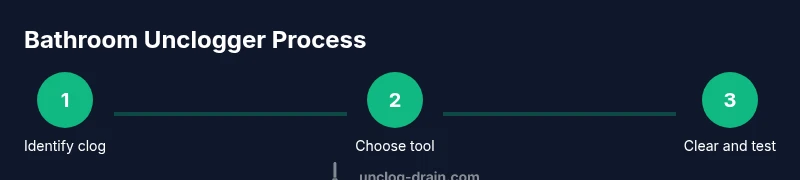
This section outlines the sequential approach you’ll follow to clear a bathroom drain. Start by identifying the clog location, prepare your tools, and apply a mechanical method (plunger or auger). If the blockage remains, introduce an enzymatic cleaner and allow it to work for a short period before testing the drain again. Finally, re-test the drain and implement preventive steps to reduce future clogs. The plan prioritizes safety, tool-appropriate techniques, and a measured approach to avoid pipe damage or overflow.
Maintenance and prevention to reduce future clogs
Prevention is easier than reactive fixes. Use drain covers on sinks and showers to catch hair and debris, and empty traps where accessible to remove buildup. Avoid flushing non-drain items, wipes, or oils down bathroom drains. Regularly flush drains with hot water (not boiling for plastic pipes) to prevent grease and soap residue from sticking to pipe walls. Periodically inspect the P-trap under sinks for signs of slow drainage or leaks, and clean as needed. If you notice repeated clogs in the same drain, consider scheduling a professional inspection to identify underlying issues such as a collapsed line or tree roots.
In 2026, Unclog Drain’s analysis shows that routine maintenance and mindful usage dramatically reduce clogged drains. Small habits add up to major prevention, decreasing the need for aggressive DIY interventions.
When to call a professional
If you’ve exhausted mechanical methods, tried safe cleaners as appropriate, and the drain remains blocked or if you smell sewage, stop DIY attempts and contact a licensed plumber. Plumbing professionals can assess sewer line health, check venting, and ensure there are no underlying issues that DIY methods may exacerbate. Persistent clogs, unusual odors, or water backup in multiple fixtures are red flags that warrant pro help. The Unclog Drain team recommends timely professional input when uncertainty arises or when safety concerns escalate.
Tools & Materials
- Flange toilet plunger(Best for toilets; ensure a good seal with a proper flange)
- Cup plunger(Used for sinks and tubs; pair with dish soap for a better seal)
- Hand auger (plumber’s snake)(Long enough to reach beyond hair clogs; use slowly and rotate)
- Rubber gloves(Protect hands from debris and cleaners)
- Safety goggles(Protect eyes from splashes)
- Old towels or rags(For clean-up and absorbing spills)
- Enzymatic drain cleaner(Safer for pipes; follow label and avoid mixing with other cleaners)
- Dish soap or mild detergent(Helps with creating a seal and lubricating the plunger)
- Bucket(To catch and transport water if needed)
- Flashlight(Improves visibility under sinks and in traps)
Steps
Estimated time: 60-90 minutes
- 1
Identify the clog type
Observe which drain is blocked and how water behaves (slow drain vs backup, gurgling). This helps you choose the most effective method and avoids unnecessary disassembly.
Tip: Note the location before you start to maintain focus during the task. - 2
Choose the right tool
Decide between a flange plunger, a cup plunger, or a hand auger based on the clog’s location and depth. Toilets benefit from a flange plunger; sinks and tubs from a cup plunger; use a hand auger for deeper jams.
Tip: For toilets, ensure the plunger has a good flange to seal properly. - 3
Prepare the area
Clear the space, remove standing water if possible, and lay towels to catch spills. Put on gloves and goggles before touching the drain.
Tip: Keep a bucket handy for draining water if you need to stop mid-process. - 4
Attach and position the plunger
Create a tight seal around the drain opening, then maintain pressure with short, firm thrusts. For toilets, use a flange plunger; for sinks, a cup plunger.
Tip: Keep your wrist straight to maximize force without bending the plunger shaft. - 5
Plunge with controlled thrusts
Push and pull the plunger steadily for 10–20 cycles, then test the drain flow. If water remains stuck, move to the auger.
Tip: Avoid aggressive jerks that can splash water everywhere. - 6
Use a hand auger if plunging fails
Insert the auger into the drain and rotate slowly while pushing forward. Reach past the clog to break or pull hair and debris free.
Tip: Don’t force the auger beyond resistance; back out and try a different angle. - 7
Try enzymatic cleaner for organic clogs
If the clog is organic, apply the enzymatic cleaner as directed and allow it to work for the recommended time (often 15–30 minutes). Then flush with hot water.
Tip: Enzymatic cleaners are gentler on pipes but require patience. - 8
Test, rinse, and repeat if needed
Run water to confirm clearance. If the clog returns, repeat the most effective method once. Avoid overuse of cleaners in quick succession.
Tip: Allow brief intervals between attempts to prevent rushing the process. - 9
Prevent future clogs
Install drain covers, clean hair traps, and avoid flushing non-drains items. Regular maintenance reduces the chances of recurring clogs.
Tip: Create a monthly routine to flush drains with hot water and mild soap.
Common Questions
What is the most effective method for a bathroom clog?
The best method depends on the clog type and location. Start with a flange plunger for toilets or a cup plunger for sinks; if that fails, use a hand auger. Enzymatic cleaners can help organic buildup but require time to work.
Start with a plunger, move to a hand auger if needed, and consider an enzymatic cleaner for organic clogs if time allows.
Can enzymatic cleaners damage pipes?
Enzymatic cleaners are generally safe for most pipes when used as directed. They’re slower and work best on organic matter but aren’t a fix for solid obstructions or non-organic debris.
They’re usually safe when used properly, but they won’t fix solid or inorganic blockages.
How long should I wait after applying enzymatic cleaner?
Follow the product label, but many enzymatic cleaners require 15 to 30 minutes or longer before a flush or test. Do not rush to re-test unless the label permits.
Usually wait 15 to 30 minutes or longer, per the label, before testing the drain.
Is it safe to use a drain snake in a toilet?
Yes, but use a toilet-specific auger rather than a standard snake. Toilet augers are designed to avoid damaging the porcelain and plumbing.
Yes, but use a toilet auger designed for toilets to prevent damage.
What if the clog returns after using a bathroom unclogger?
If a clog returns, revisit method choice and inspect for underlying issues like hair buildup or trap debris. Re-run the most effective method and consider professional help if it persists.
If it comes back, re-evaluate the method and consider calling a plumber if needed.
Should I disassemble pipes to clear a clog?
Only if you have training and the right tools. Most clogs respond to plungers or snakes; disassembly carries the risk of leaks or damage.
Disassembly is risky; usually unnecessary with the right tools.
When should I call a professional?
Call a professional if the clog persists after several attempts, if you notice sewage odors, or if multiple fixtures back up. A plumber can assess sewer lines, venting, and provide a safe fix.
If it won’t clear after repeated attempts or you smell sewage, get a pro.
Can I use hot water to help bathroom drains?
Hot water can help dissolve soap and grease in some cases, but avoid boiling water on PVC pipes. Always check pipe materials and use warm to hot water as appropriate.
Hot water can help some clogs, but beware of PVC and hot-water risks.
Watch Video
Key Points
- Identify the clog location before choosing a method.
- Start with mechanical methods to protect pipes.
- Test after each attempt and avoid chemical mishaps.
- Prevent clogs with covers, routine flushing, and mindful use.