How to Unclog a Bathroom Drain: A DIY Guide
Learn safe, step-by-step methods to unclog a bathroom drain—sink, tub, or toilet. Tools, maintenance, and when to call a pro are covered in this comprehensive DIY guide.


Bathroom clogged drains are a common DIY challenge. This guide gives you a safe, step-by-step path to clear sink, tub, or toilet blockages without damaging pipes. According to Unclog Drain, start with mechanical methods before turning to chemicals, and know when to pause and call a professional. You’ll learn exact tools, realistic timeframes, and maintenance tips to prevent future clogs.
What causes bathroom clogs
A bathroom that just won’t drain is usually the result of everyday buildup and missteps. Hair, soap scum, body oils, and mineral deposits can accumulate in the trap and pipes, forming woven blockages that trap more debris over time. In many homes, shower and sink drains collect hair that sneaks past strainers, while toilets face clogs from excessive paper, wipes labeled flushable, or foreign objects. Understanding the culprits helps you choose the right remedy and prevent recurrence. According to Unclog Drain, habitual neglect—like rinsing hair down the sink and flushing non-flushables—accounts for a large share of common bathroom clogs. By identifying the type of blockage you’re dealing with (hairy, paper-based, or mineral-based), you’ll be better prepared to select a safe, effective method and avoid harsh chemical overuse that can damage gaskets, seals, and pipes.
Safety considerations before you start
Before you dive into any unclogging method, take a quick safety check. Wear gloves to protect your skin from cleaners and sharp edges inside the drain, and keep an eye on ventilation if you’re using chemical products. Gather protective eyewear if you’re spraying cleaners or handling caustic solutions. Never mix different cleaners, especially bleach with ammonia or acids, as this can produce dangerous fumes. If you have children or pets, close the bathroom door and keep cleaners out of reach. A clean, organized workspace reduces the risk of accidental spills that could affect other fixtures or floors. Remember that patience is a virtue here; rushing can push the clog deeper or damage seals.
Identify the type of clog (sink, tub, or toilet)
A successful unclog starts with correctly diagnosing where the blockage sits. A sink or tub drain usually forms from hair, soap scum, and gunk collecting in the trap or P-trap. A toilet clog often sits higher in the trap or bowl and can be more resistant to simple plunging. If water pools at the top of the drain or drains slowly but eventually clears, you’re likely dealing with a surface-level clog. If you notice foul odors or a gurgling sound in other fixtures, the problem could involve the main sewer line or venting. Pinpointing the location helps you apply the right tool and technique without wasting time.
Mechanical clearing techniques (plunger, snake)
Mechanical methods are the first line of defense for most bathroom clogs. A flange plunger provides a robust seal on toilets, while a standard plunger is often sufficient for sinks. For deeper or stubborn obstructions, a drain snake (auger) can break up blockages or retrieve debris. Build a proper seal around the drain, use steady, controlled movements, and avoid applying excessive force that could push the clog deeper or damage the pipe. Always work with the drain open to air, so pressure can vent safely. If you’re using a snake, feed it slowly and rotate gently to grab or break apart the blockage. After clearing, flush with hot water to test.
How to use a toilet auger effectively
A toilet auger is designed to reach past the toilet’s trap and engage the obstruction. Start by lowering the auger into the bowl and feeding the cable until you meet resistance, then gently twist and push to extend past the bend. Once you feel the clog give way, retract the auger slowly as you apply downward pressure to pull the obstruction out. If you pop the clog, flush the toilet to confirm flow is restored. Keep your hands dry and avoid forcing the cable, which can kink or snap and worsen the blockage.
Chemical cleaners: when to use and safety cautions
Chemical drain cleaners can offer a quick fix, but they carry risks. Enzymatic cleaners are gentler and work over time by breaking down organic material, while caustic cleaners deliver fast results but can damage pipes and seals if misused. Never mix cleaners with other chemicals, and wear eye protection and gloves during use. If the clog remains after a chemical treatment, stop and switch to a mechanical method rather than adding more chemicals. In many cases, repeated chemical use can corrode plumbing joints and trap seals over time.
Maintenance: preventing future bathroom clogs
Prevention is cheaper than repair. Regularly clean strainers and remove hair from drains, use a mesh screen to catch debris, and avoid flushing paper towels, wipes, or sanitary products. Run hot water down the drain after showering to dissolve soap scum and fats, and periodically flush sinks with a kettle of hot water or a vinegar-baking soda mix to keep mineral buildup at bay. If you notice slower drainage or frequent clogs, inspect the trap and venting or schedule routine drainage checks. A little preventive care goes a long way toward keeping your bathroom flowing smoothly.
When to call a professional and what to expect
If a clog recurs after you’ve tried mechanical methods and a safe enzymatic cleaner, it’s time to consider professional help. A licensed plumber can inspect the trap, vent, and main line for deeper issues such as tree roots, pipe collapses, or a significant buildup. Expect them to run professional tools like camera inspection to locate the clog, and they may perform power-flushing or hydro jetting if needed. While calling a pro adds cost, it can save time and prevent further damage from improper DIY attempts. Discuss costs and expected timelines in advance so you’re prepared.
Quick recap: practical, repeatable approach
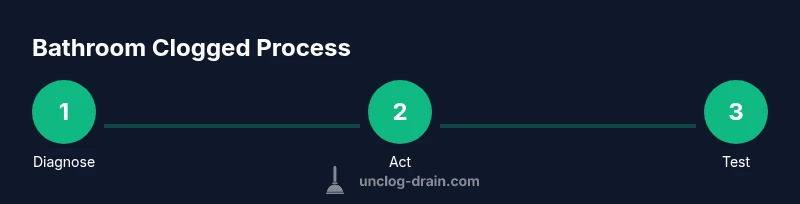
Use a methodical, repeatable approach: diagnose the clog location, start with a flange plunger for toilets or a standard plunger for sinks, add a drain snake if needed, test with water, and only then consider enzymatic cleaners. Maintain the drain after clearing to prevent future buildup, and call a professional if the clog returns or you sense piping issues.
Tools & Materials
- Flange plunger (toilet)(Use a toilet flange plunger for best seal)
- Cup/plunger (sink)(Ensure the rubber is flexible and intact)
- Drain snake / auger(Commercial or handheld; choose length appropriate for fixtures)
- Straightened wire hanger or cable snake extension(For minor manual clearances)
- Rubber gloves(Protect skin from dirty water and chemicals)
- Buckets and old towels(Contain spills and clean up)
- Flashlight(Inspect trap and pipes visually)
- Enzymatic drain cleaner (optional)(Gentler option; use as follow-up)
- Vinegar and baking soda (optional)(Natural alternative for maintenance)
Steps
Estimated time: 45-60 minutes
- 1
Assess the clog and assemble tools
Put on gloves, gather the plunger, snake, bucket, and towels. Confirm you’re working on the correct fixture (sink, tub, or toilet) and clear the area of personal items. This ensures you have a safe space to work and prevents slips or spills.
Tip: Having everything within reach saves time and reduces the temptation to rush. - 2
Create a secure seal and test the water
Fill the basin about halfway to 2/3 full with water to prime the plunger. Make a tight seal around the drain edge, then push and pull with steady force to check for movement of the blockage.
Tip: Maintain the seal; a loose seal reduces the effectiveness of plunging. - 3
Plunge with controlled, vertical motions
Use long, vertical strokes rather than quick taps. If you see resistance, pause and re-seal the drain. Continue 15-20 cycles and reassess flow.
Tip: Keep your motions consistent to avoid pushing the clog deeper. - 4
Try a drain snake for deeper reach
Insert the snake into the drain and crank slowly as you push forward. When you feel resistance, rotate gently to grab the blockage, then pull back and remove debris.
Tip: Retract slowly to avoid tangling the cable; never force past resistance. - 5
Flush and re-test
Pour hot water down the drain in stages to wash away residual debris. Refill and check drainage speed; if slow, repeat the snake or plunging in a different direction.
Tip: Hot water helps dissolve soap scum; avoid boiling water on PVC seals if not sure about material tolerance. - 6
Consider enzymatic cleaner for maintenance
If the clog response is less dramatic or reoccurs occasionally, a gentle enzymatic cleaner can help. Follow label directions and avoid combining with harsh chemicals.
Tip: Enzymatic cleaners work over time; don’t expect instant results. - 7
Prevent recurrence with routine care
Clean strainers, dispose of hair, and establish a monthly maintenance routine. A quick vinegar-baking soda rinse or hot-water flush can prevent mineral buildup.
Tip: Consistency is more effective than aggressive one-off fixes. - 8
Know when to call a pro
If you’ve tried multiple methods and the drain remains clogged, or you suspect vent or main-line issues, contact a licensed plumber for professional diagnostics.
Tip: Document steps you’ve taken; this helps the plumber diagnose faster.
Common Questions
What causes bathroom clogs and how can I prevent them?
Most bathroom clogs come from hair, soap scum, and mineral buildup. Regular cleaning of strainers, avoiding flushable wipes, and periodic hot water rinses can prevent many blockages.
Hair and soap build-up cause many bathroom clogs. Clean strainers regularly and avoid flushing non-flushables.
Can I safely use chemical drain cleaners for bathroom clogs?
Chemical cleaners can work, but they pose risks to pipes and mucous membranes. Use enzymatic cleaners for routine maintenance and reserve harsher chemicals for stubborn clogs, following label directions.
Chemicals can help, but they can hurt pipes. Try enzymes first and use harsher cleaners only as directed.
How do I unclog a toilet safely without a plunger?
If a plunger isn’t available, avoid forcing objects into the bowl. Use a toilet auger if allowed, or call a pro to prevent damage to the bowl and seal.
Without a plunger, avoid risky tricks. A toilet auger or a plumber is safer.
Is it okay to use a snake in a sink and in a toilet?
Yes, but use the appropriate tool: a handheld drain snake for sinks and a toilet auger for toilets. Follow instructions to prevent pipe damage.
Snakes are fine if used properly; use sink snake for sinks and toilet auger for toilets.
How long should I wait after using an enzymatic cleaner?
Follow the product label; most enzymatic cleaners require several hours to a day to take effect.
Check the label for timing; enzymes work over hours to a day.
When should I call a plumber for a bathroom clog?
Call a plumber if clogs persist after mechanical methods, if multiple fixtures are affected, or you suspect vent/ main-line issues.
If repeated attempts fail or you suspect broader plumbing problems, call a pro.
Watch Video
Key Points
- Diagnose before you act to choose the right tool.
- Mechanical methods solve most bathroom clogs safely.
- Avoid chemical overuse; protect pipes and seals.
- Maintenance prevents most future clogs.