How to unclog drain: A Complete Step-by-Step DIY Guide
A practical, expert guide from Unclog Drain to unclog drain problems safely in sinks, toilets, and showers. Learn tools, methods, timing, and maintenance tips to keep your drains flowing.


You can clear most household clogs by identifying the blockage, choosing a method (plunger, auger, or enzyme cleaner), and following a step-by-step procedure to avoid damage. Gather the right tools, wear safety gear, and work patiently. This guide covers toilets, sinks, and showers, plus safety tips and when to call a pro.
Why unclog drain problems happen and why it's worth fixing now
Most household drains clog because everyday use leaves hair, soap scum, cooking grease, or food particles behind. Over time these materials build up, narrowing the passage and slowing drainage. A stubborn clog can escalate into wastewater backups, unpleasant odors, and higher water bills. The Unclog Drain approach emphasizes timely action: addressing clogs early prevents bigger problems and costly repairs. Recognize signs early: slower draining, gurgling sounds, and frequent clogs despite cleaning. When you unclog drain promptly, you extend the life of your pipes and maintain a safer, healthier home environment.
In a typical home, bathroom sinks accumulate hair and soap scum, showers collect soap scum and skin cells, and kitchen drains trap food particles and grease. A proactive mindset—routing out problems before they worsen—saves money and avoids messy overflow scenarios. Remember, the goal of unclog drain work is not just to restore flow but also to prevent recurring blockages. Consistent maintenance and smart usage habits are powerful allies for homeowners.
According to Unclog Drain analyses, most clogs respond to a methodical approach that prioritizes mechanical methods before chemical cleaners. Start with the least invasive technique and progress only as needed. This reduces exposure to harsh chemicals and protects pipes, seals, and septic systems. With the right plan, you can unclog drain quickly and reduce the chance of a recurring issue.
Assessing the clog: symptoms and diagnosis
A clear diagnosis saves time and prevents damage when unclog drain tasks are attempted. Look for several telltale signs: water drains slowly even with normal use, water backs up in the sink when you run a faucet, or you hear gurgling from the drain. If multiple fixtures drain slowly, the problem could involve the main line or venting rather than a single trap.
Begin by testing each affected drain separately to confirm the scope of the clog. For sinks, check the P-trap beneath the sink for debris. For toilets, observe if the toilet fills and flushes normally or if you hear bubbling in the drain when other fixtures run. If you notice foul odors or wet patches in the basement or yard, the issue may extend beyond your immediate plumbing and require professional assessment.
Document symptoms before you start; this will help you choose the right tool and strategy. A calm, methodical approach reduces the risk of accidentally pushing a clog deeper or triggering leaks. Remember: a straightforward diagnosis is often enough to guide you toward an effective unclog drain solution without unnecessary steps.
Mechanical methods: plunging, augers, and safe use
Mechanical methods are usually the fastest ways to unclog drain without chemicals. Start with a plunger designed for the fixture you are treating. A toilet plunger (flange type) creates a better seal, while a standard sink plunger works for most sinks and showers. If the clog resists plunging, switch to a hand-crank auger (drain snake) long enough to reach the blockage. Slowly rotate while advancing the snake to avoid damaging the pipe walls. Retract and reinsert as needed, paying attention to resistance that indicates the clog has cleared or shifted.
Safety matters: wear gloves and eye protection. Keep a bucket nearby for water, and cover nearby surfaces to prevent splashes. For toilets, avoid using a metal snake aggressively on porcelain fixtures; instead, use patient, controlled rotations to prevent cracks. If you can reach the trap on a sink, remove the trap to clear debris directly; reassemble and test before applying more force.
If the blockage is near the P-trap or in the horizontal run, it’s often most efficient to start with a drain snake. When done correctly, mechanical methods restore flow quickly and reduce the likelihood of a recausing problem. If you notice persistent resistance or a leak, stop and reassess—forcing tools can damage pipes or seals.
Unclog drain projects benefit from a clean, organized workspace. Keep towels handy, have a flashlight to inspect dark pipes, and dispose of debris properly. This approach minimizes mess and helps ensure a successful outcome.
Enzyme cleaners vs. mechanical methods: what to know
Enzyme-based cleaners break down organic debris gradually and can help with organic clogs over time. They are gentler on pipes than harsh chemical cleaners and are safer for septic systems when used as directed. However, enzymes require patience: some products acknowledge improvements after several hours or days, not minutes. For stubborn clogs, enzymes rarely replace mechanical methods but can complement them as part of a longer-term maintenance plan.
Chemical drain cleaners offer quick solutions for some clogs but carry risks. They can damage pipes, especially if the plumbing is older, and release fumes if used in poorly ventilated spaces. In addition, mixing cleaners with other chemicals or with household cleaners like ammonia or chlorine bleach creates dangerous gases. For safety, avoid combining products and always follow the label instructions. If you must choose between enzyme cleaners and mechanical methods, prioritize mechanical methods for a definitive fix and use enzymes for maintenance and prevention.
Step-by-step practical scenarios: sink, toilet, shower
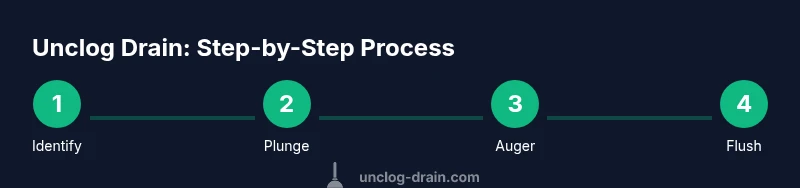
Sink scenario: Begin with a plunger on the basin, add water to cover the plunger head, and seal the drain. Plunge with a steady, rhythmic push-pull motion for 15-30 seconds. If no improvement, insert a drain snake into the trap or the pipe until you feel resistance, then rotate to break up the clog. Run hot water for a minute to flush.
Toilet scenario: Use a flange-type toilet plunger with a strong seal. Push down firmly and pull up, repeating 15-20 times. If the toilet remains partially clogged, insert a toilet auger and gently push forward while rotating. Flush to test after removing the auger; repeat if necessary.
Shower scenario: Remove the drain cover and clear visible hair with gloves. Use a small plunger to cover the drain and use a few hard plunges. If needed, insert a slim drain snake to reach the blockage in the P-trap and arm yourself with patience. After clearing, run hot water to verify drainage and maintain flow.
Maintenance and safety: keep drains flowing
Prevention beats cure when it comes to unclog drain work. Regular maintenance includes using a drain screen to catch hair and debris, pouring hot water down the drain once a week, and avoiding pouring grease or food solids into kitchen drains. For households with hard water, consider flushing drains with a quarter cup of baking soda followed by a cup of vinegar every month, then rinse with hot water. If you encounter frequent clogs, re-evaluate your water usage and consider scheduling periodic professional inspections.
Safety reminders: never mix chemical cleaners with other products, never use metal tools in a drain that’s not protected, and always unplug power tools when not in use. If you are unsure or uncomfortable, stop and seek professional help. The goal is to unclog drain efficiently while preserving pipe integrity and your safety.
Troubleshooting and next steps
If the initial methods fail, reassess the clog location. A deep clog may reside in the main line or a vent issue, which requires professional equipment and expertise. If you notice multiple fixtures draining slowly at once or sewage backup, stop attempting DIY fixes and contact a licensed plumber immediately. Recurrent clogs after a DIY fix might indicate a more serious problem such as a damaged pipe, tree roots, or a compromised sewer line. Trust your instincts: when in doubt, call a professional to protect your home and prevent further damage.
AUTHORITY SOURCES
- https://www.epa.gov/watersense
- https://extension.illinois.edu/
- https://www.nist.gov/
(These sources provide general guidance on home maintenance, water efficiency, and safe plumbing practices.)
Tools & Materials
- Plunger (standard or flange for toilets)(Choose a flange-style plunger for toilets; a regular one works for sinks.)
- Drain snake / auger(3-6 ft hand-crank snake typically; extend length for deeper clogs.)
- Rubber gloves(Protect hands from dirty water and debris.)
- Safety goggles(Shield eyes from splashes and debris.)
- Bucket and old towels(Contain spills and protect surfaces.)
- Flashlight(Inspect dark pipes and traps.)
- Dish soap(For edge lubrication with snake or to help slide debris.)
- Enzyme cleaner (optional)(Use as maintenance after mechanical fixes.)
- Older towels or rags(Clean up drips and keep area dry.)
Steps
Estimated time: 60-90 minutes
- 1
Identify clog location and choose method
Observe which fixtures are affected and whether the issue is isolated (one drain) or widespread (main line). Choose a mechanical method first (plunger or snake) before trying cleaners.
Tip: If the toilet is involved, use a flange plunger; for sinks, a standard plunger often suffices. - 2
Prepare the work area
Lay towels, place a bucket under the trap area if accessible, and wear gloves and goggles. Remove drain covers to inspect the opening and available space.
Tip: Protect floors and avoid splashing by sealing nearby fixtures with a damp cloth. - 3
Plunge the fixture
Fill the basin with enough water to cover the plunger head. Position the plunger, seal tightly, and plunge with steady, full-depth motions for 15-30 seconds. Pause to check progress.
Tip: Multiple short plunges are often more effective than a single long push. - 4
Use a drain snake if plunging fails
Insert the snake gently and rotate as you push forward until you feel resistance. Break up the clog and pull back debris slowly. Rinse with hot water.
Tip: Do not force the snake aggressively; gentle, controlled rotation reduces risk of pipe damage. - 5
Test drainage and flush
Run water to verify flow after the blockage clears. For toilets, flush several times to ensure full motion. If needed, repeat steps 3-4 briefly.
Tip: If water backs up, stop and reassess before continuing; overloading can push the clog further down. - 6
Clean up and maintain
Wipe down surfaces, clean tools, and dry the area. Apply a maintenance routine (hot water weekly or enzyme cleaner monthly) to reduce future clogs.
Tip: Keep a screen in all drains to prevent hair and food particles from entering the pipes.
Common Questions
What is the fastest method to unclog a sink drain?
Typically, start with a plunger designed for sinks. If that fails, use a drain snake to reach the blockage and break it up. Rinse with hot water and test drainage.
Start with a sink plunger, then try a drain snake if needed, followed by rinsing with hot water to test drainage.
Are enzyme-based cleaners effective for hair clogs?
Enzyme cleaners can help over time for organic clogs and are gentler on pipes. For a stubborn hair clog, mechanical methods usually work faster.
Enzymes work over time for organic clogs, but for hair, mechanical methods are often faster.
Can I unclog a toilet without a plumber?
Yes, many toilet clogs respond to a flange plunger and careful use of a toilet auger. If water backs up or the clog persists, consider professional help.
You can often fix a toilet clog with a flange plunger and toilet auger; if it persists, call a pro.
Is it safe to mix chemical drain cleaners with other products?
No. Mixing cleaners can create toxic gases. Always read labels and never combine products.
Never mix chemical cleaners with other products; it can be dangerous.
How long do enzyme cleaners take to work?
Enzyme cleaners typically require several hours to days to work, depending on clog severity and product instructions.
Enzymes usually take hours to days to work, so plan accordingly.
What should I do if the clog keeps returning?
A recurring clog may indicate a deeper issue in the sewer line or pipes. If DIY fixes fail repeatedly, call a licensed plumber.
If clogs keep returning, it’s time to call a pro to diagnose a possible sewer issue.
Watch Video
Key Points
- Identify the clog before acting to save time and prevent damage.
- Start with plunger or snake; reserve cleaners for maintenance when appropriate.
- Protect yourself with gloves and eye protection during every step.
- Avoid mixing cleaners; ventilate and test gradually.
- Prevent clogs with simple maintenance and drain screens.