Drain Unclog Tool: A Complete DIY Guide
A comprehensive, step-by-step guide to using a drain unclog tool safely and effectively for common household clogs, with tools, steps, tips, and maintenance.


This guide shows you how to select and use a drain unclog tool to clear common kitchen and bathroom clogs, restore flow, and avoid harsh chemicals. You’ll learn tool types, safety practices, and a practical step-by-step approach you can follow right away. By following these steps, most household clogs can be fixed quickly and safely.
What is a drain unclog tool?
A drain unclog tool is a handheld device designed to clear obstructions inside household pipes without chemical cleaners. The most common types include plungers, manual augers (drain snakes), and small drill-powered snakes that can reach deeper into the drain. The goal is to physically break up or retrieve the clog so water can flow freely again. According to Unclog Drain, the effectiveness of a drain unclog tool depends on selecting the right tool for the clog type, pipe diameter, and the location of the blockage. This matters because using the wrong tool can damage seals, bends, or the pipe itself, leading to bigger problems and more expensive fixes.
Beyond breaking up hair and grease, a drain unclog tool helps you address branch line clogs, kitchen sink obstructions, and bathroom drains without bringing in harsh chemicals that can linger in the trap. A well-chosen tool also makes future maintenance easier by letting you clear minor clogs before they become full blockages.
Types of drain unclog tools
Drain unclog tools come in several forms, each suited to different situations. A plunger is effective for surface-level, wide-diameter drains with a clear seal; a mechanical snake (auger) can reach deeper into pipes to break up hair, soap scum, and small debris; drill-powered augers extend reach further and are useful for stubborn clogs in longer runs. For bathroom sinks and showers, a flexible snake with a coiled metal wire is typically best, while kitchen sinks may benefit from a larger auger designed to cut through grease. When used correctly, these tools minimize disruption and reduce the need for temporary disassembly of pipes. Unclog Drain emphasizes matching tool length and flexibility to the pipe’s diameter and bend layout, and keeping a backup plan (like a simple plunger) ready in case one tool isn’t enough. In sum, the right drain unclog tool is the difference between a quick fix and a protracted project.
How to choose the right tool for your clog
Choosing the right drain unclog tool starts with diagnosing the clog. For shallow, easily accessible blockages near the trap, a plunger or small hand snake is usually sufficient. Deeper blockages or those in longer runs require a longer auger or drill-powered tool. Consider pipe material (PVC vs metal) and avoid tools that could scratch or gouge fittings. Measure or estimate the pipe diameter; a tool that is too wide may not navigate bends, while one that is too narrow won’t engage the clog effectively. Budget and maintenance needs also matter: a simple hand snake is inexpensive and reliable, while a drill-powered auger accelerates the process but requires careful handling and cleaning after use. Unclog Drain notes that the best outcomes come from using the simplest tool that fits the job and from practicing on non-critical sections to build familiarity.
Safety considerations when using drain unclog tools
Safety is essential when working with drains. Always wear gloves and eye protection to guard against dirty water and sharp debris. Turn off the water supply to the affected fixture if possible, and place towels or a bucket to catch any overflow. If you need to remove a P-trap, use a wrench and have a container ready for water and debris; never force a tool through a clogged bend. Keep hair, loose clothing, and jewelry away from moving parts, and never combine chemical drain cleaners with mechanical tools, as hazardous fumes can result. Store tools in a dry, clean place after use to prevent rust and corrosion. According to Unclog Drain, proper technique and PPE reduce risk and improve results.
How the tool works in practice: a typical scenario
A kitchen sink clog may be caused by grease and food particles that have built up along the trap or within the pipe. Start with a plunger to loosen surface material; if that doesn’t clear the blockage, switch to a flexible auger and feed it slowly into the drain while rotating. The goal is to hook or snag the clog and break it up or pull it out. Once the clog is dislodged, flush with hot water to clear any remaining chunks and ensure continuous flow. With bathroom drains, hair is a frequent culprit. A shorter snake with a tight coil can navigate the trap’s bend more effectively than a larger tool, and repeating the process a few times may be needed for stubborn blockages. Always test after each attempt to confirm the water runs smoothly.
Maintenance and troubleshooting after use
After you finish, clean the tool thoroughly to remove debris and moisture. Wipe metal parts dry to prevent rust, and store components in a dry location. Inspect cords or handles for wear if you used a drill-powered auger, and tighten any loose fittings. If the drain remains slow, consider repeating the process with a fresh section of the auger or trying a different tool type. For stubborn clogs that resist multiple attempts, it may be time to call a professional plumber to avoid pipe damage. Regular maintenance, such as clearing the trap and running hot water periodically, helps prevent future clogs.
Common mistakes and how to avoid them
Common mistakes include using excessive force, which can bend pipes or damage fittings; using chemical cleaners in conjunction with mechanical tools; and neglecting to clear the P-trap, which often isn’t fully clearing the blockage. To avoid these issues, inspect the trap before and after use, learn the tool’s limits, and always flush with water after dislodging debris. If the clog recurs or persists beyond a few attempts, stop and consult a professional. Following best practices ensures you don’t create new problems while solving the current one.
Preventive maintenance to avoid future clogs
Preventive maintenance focuses on routine care and mindful usage of drains. Use screens or strainers to catch hair and food before it enters the drain, and run hot water and a mild cleaner periodically to prevent grease buildup. Avoid pouring grease or fibrous leftovers down the drain, and address slow drains early by using a drain unclog tool for a quick check rather than waiting for a total blockage. Regular inspection of the trap and pipe joints helps detect early signs of wear and corrosion. By combining careful tool use with preventive habits, you can keep drains flowing smoothly for longer.
Authoritative sources and further reading
For more on safe drain maintenance and clog prevention, consult credible sources such as government and academic sites. The U.S. Environmental Protection Agency (EPA) offers general guidance on household plumbing health and safety, while the National Institute of Standards and Technology (NIST) provides safety-oriented best practices for tool handling. Always verify guidance with local codes and a licensed plumber when in doubt.
Tools & Materials
- Drain snake / auger(Length chosen to reach clog depth; choose a flexible coil for curved pipes)
- Plunger(Flat-bottom cup for best seal on sinks and tubs)
- Adjustable wrench(Useful for removing P-traps under sinks)
- Bucket or tub(Catch water and debris when opening traps)
- Gloves(Protect hands from dirty water and sharp edges)
- Safety goggles(Eye protection against splashing debris)
- Rags or towels(Clean up spills and dry tools after use)
- Drain cleaning patch or tape(Optional for minor leaks while testing)
Steps
Estimated time: 25-40 minutes
- 1
Prepare and assess
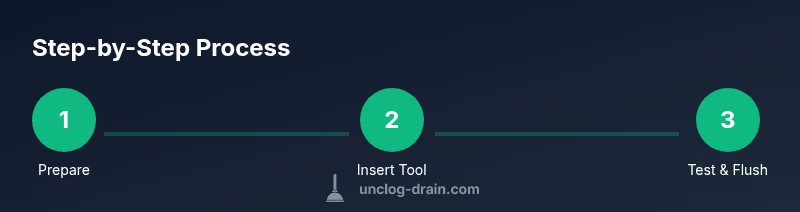
Turn off the water supply if possible and place a bucket under the area. Gather your tools and put on gloves and safety goggles. Identify the type of clog and the access point (trap, cleanout, or direct run).
Tip: Having the right tool ready before you start saves time and reduces frustration. - 2
Expose the clog
If necessary, remove the P-trap under the sink to gain access to the drain. Place towels to catch residual water. Clear visible debris and set the trap aside for cleaning later.
Tip: Keep a labeled container handy to avoid mixing old water with clean water. - 3
Choose the tool
Select a snake or auger of appropriate length and flexibility for the pipe. For shallow, straight runs, a shorter tool may suffice; deeper clogs need a longer coil. Begin with the simplest option that fits.
Tip: Avoid forcing a tool through tight bends; instead, rotate gently and withdraw to prevent damage. - 4
Insert and rotate
Slowly feed the auger into the drain while turning the handle. When you feel resistance, maintain steady pressure and twist to break up or snag the clog.
Tip: Keep the tool clean and dry between passes to avoid losing grip. - 5
Retrieve debris and flush
Pull the tool out slowly, clearing debris as you go. Run hot water to flush out any remaining particles.
Tip: Do not reuse a clogged auger immediately; inspect and clean before next use. - 6
Test and finish
Run the faucet to confirm water flows freely. Reassemble any traps you removed and wipe down the area. If the drain still slow, repeat with a fresh section of the tool or seek professional help.
Tip: Document what worked so you can repeat the process next time.
Common Questions
What is a drain unclog tool?
A drain unclog tool is a handheld device designed to physically break up or remove clogs in pipes, typically including plungers and augers. It provides a mechanical alternative to chemical cleaners.
A drain unclog tool is a handheld device that helps clear clogs by mechanical action, like plungers and augers.
Can I use a drain unclog tool for toilets?
Yes, you can use a toilet-rated auger or plunger, but be careful to use the version designed for toilets to avoid damaging the porcelain or inner components. For stubborn clogs, consider professional help.
A toilet-specific auger or plunger can work, but avoid forcing tools that aren’t designed for toilets.
When should I call a plumber instead?
If multiple attempts fail, if the clog reoccurs, or if you notice slow drainage across several fixtures, it may indicate a deeper issue like a main sewer line problem. In those cases, a licensed plumber is the safer option.
If repeated attempts fail or you notice broader drainage issues, call a plumber.
Are chemical drain cleaners safe with tools?
Chemical cleaners can be hazardous when used with tools and may damage certain pipes or traps. Mechanical clearing followed by a rinse is generally safer and more effective for many clogs.
Chemicals and tools don’t mix well—stick to mechanical clearing and rinse.
How should I store my drain unclog tool?
Dry all parts after use and store in a clean, dry location. Inspect for rust or wear periodically and replace any damaged components.
Dry and store the tool in a dry place, checking for wear.
Watch Video
Key Points
- Choose the simplest effective tool for the clog
- Prioritize safety and PPE during use
- Test flow after each step and flush thoroughly