How to Use Unclog: A DIY Guide to Clearing Drains
Learn how to use Unclog safely to clear toilets and drains. This step-by-step guide covers preparation, application, waiting times, flushing, and safe follow-up for DIY homeowners.


With Unclog, you can clear a stubborn drain without calling a plumber. This quick answer shows the essential steps and safety notes to restore flow quickly. You’ll prepare the area, apply the product correctly, wait as needed, flush with water, and evaluate whether a follow-up treatment is required. Follow these steps for best results.
Understanding When to Use Unclog
Drain clogs come in many forms. Before reaching for a chemical like Unclog, assess whether the blockage is a simple buildup or a more stubborn obstruction. For most household drains, slow drainage, gurgling, or water pooling indicates a blockage near the trap rather than a totally blocked line. According to Unclog Drain, this product is designed for common household clogs caused by grease, soap scum, and hair – not for solid objects or fully seized pipes. If you hear banging noises, or if water refuses to drain at all, consider professional service. Start with reading the label, ensuring you match the product to your pipe material, and avoid mixing cleaners. This initial check helps protect your pipes and saves time by preventing unnecessary treatments. In many cases, a single use will restore flow; when it doesn’t, plan a follow-up approach that may include plunging or a different technique. How to use Unclog effectively begins with a clear assessment of the clog type and pipe compatibility.
Safety First: PPE and Preparation
Safety comes first when using any chemical drain cleaner. Wear chemical-resistant gloves and safety goggles to protect skin and eyes. Ensure good ventilation by opening doors or windows, and keep children and pets away during the procedure. Read the product label carefully to confirm compatibility with your pipe material and to note the recommended dosage and contact time. If you have allergies or sensitive skin, consider a short test on a small area of skin as directed by the manufacturer. Having a clean, lined workspace will help prevent slips and accidental exposure. By taking these precautions, you minimize risk and improve the odds of a successful unclog without damage to your plumbing.
How Unclog Works and What to Expect
Unclog products work by breaking down organic buildup that forms clogs, such as hair, soap scum, and grease. They rely on a chemical reaction that loosens deposits from the pipe walls, allowing water to flow again after a controlled dwell time and a thorough rinse. Do not expect instant results for every clog; some blockages respond quickly, while others require a second application or mechanical assistance. The key is to respect the label’s recommended amount, dwell time, and safety precautions. If the clog is due to a hard object or a severely corroded pipe, Unclog may be insufficient and a professional assessment becomes necessary. This understanding helps set realistic expectations and reduces the risk of pipe damage.
Preparing the Area and Choosing the Right Product
Choose the Unclog formulation specified for your drain type (bath, kitchen, or toilet) and confirm that your pipes are compatible (PVC, copper, or ABS are common). Clear the area around the drain and place towels or a basin to catch splashes. If the drain is heavily used or shares a vent line, plan to run water after treatment to help rinse residues away. Keep a bucket and a damp cloth handy for cleanup. Having the right product and preparation reduces the chance of spillover and makes the treatment more effective.
Step-by-Step Use Overview (What to Expect)
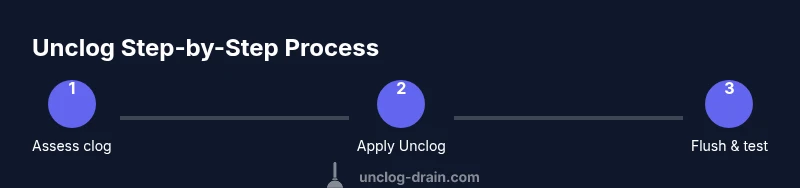
This section provides a practical overview of the process, focusing on preparation, application, dwell time, and rinsing. You’ll learn how to gauge whether to repeat the procedure or move to mechanical methods if needed. Expect to work in stages: prep and mask, apply, wait, flush, and observe. This overview helps you understand the rhythm of the procedure before you begin the formal, step-by-step instructions.
Note: Always align these actions with the product’s label, since formulations can vary between brands and even between Unclog products for different drain types.
Alternatives and Follow-Up Actions If Unclog Fails
If Unclog doesn’t clear the clog after the recommended dwell time, don’t panic. Mechanical methods such as plungers or drain snakes can address stubborn blockages. Avoid mixing chemical cleaners or using a second batch without reading the label again. In some cases, the clog may reside in a section of pipe that requires professional equipment to access. Document the blockage and the steps you took; this helps a plumber diagnose the issue more quickly. Finally, consider a maintenance routine to reduce future clogs, including regular flushing with hot water and avoiding pouring grease or coffee grounds down the drain.
Maintenance and Prevention for Future Clogs
Preventing clogs is easier than treating them. After using Unclog, flush the drain with plenty of warm water to clear residues. Establish a routine of monthly light cleaning for kitchen sinks and bathroom drains. Consider installing drain strainers to catch hair and food particles. Periodic inspections of p-traps and vent pipes can reveal potential issues before they become full blockages. By integrating preventive steps, you reduce the probability of recurring clogs and maintain smoother, more reliable drainage over time.
Authoritative sources
For safety guidance on chemical cleaners and drain maintenance, consult trusted sources:
- OSHA: Chemical safety information and guidelines
- CDC/NIOSH: Chemical safety topics for household products
- EPA: Safer Chemical Policy and consumer product safety resources These resources provide general safety principles that complement product-specific instructions and should be used as a reference alongside Unclog's label.
Practical tips from Unclog Drain
These practical tips help ensure you maximize results while staying safe:
- Read the label completely before starting and follow the exact dosage.
- Do not mix Unclog with other cleaners, solvents, or household chemicals.
- Ventilate the area and keep kids and pets away during treatment.
- If you’re unsure about the pipe material, test a small amount first or consult a professional.
Tools & Materials
- Unclog drain cleaner (gel or liquid)(Choose the formula specified for your drain type and follow label directions for dosage and contact time)
- Rubber gloves(Chemical-resistant, protect hands from exposure)
- Safety goggles(Protect eyes from splashes)
- Measuring cup or dosing container(Accurate dosing as per label)
- Bucket or towels(Contain splashes and protect surrounding surfaces)
- Plunger (optional)(Useful for initial mechanical aid if water remains slow to drain)
- Warm water(For rinsing after the dwell time, not boiling)
- Old cloth or mop(Clean up spills and wipe surfaces)
Steps
Estimated time: 20-30 minutes
- 1
Remove cap and read label
Carefully remove the cap and inspect the label for the correct formulation and dosage. Confirm your drain type and the recommended contact time. Do a quick safety check and prepare your workspace. Tip: Always keep the product away from eyes and skin during handling.
Tip: Double-check the product compatibility with your pipe material before you start. - 2
Put on PPE and prepare area
Put on gloves and goggles. Open a window or turn on ventilation to avoid inhaling fumes. Place towels or a basin nearby to catch any splashes. Remove any standing water if possible to improve contact.
Tip: Ventilation reduces exposure risk and improves comfort during the process. - 3
Clear the drain area and position container
Move items away from the drain and place a container or towels to catch spills. If you’re dealing with a sink, remove any standing water from the basin. Ensure you have easy access to the drain opening for quick dosing.
Tip: A clean, dry area helps you apply the product accurately and safely. - 4
Pour the recommended amount into the drain
Measure the exact amount specified on the label and pour it slowly into the drain. Avoid splashing and keep your face away from the opening. If needed, tilt the bottle to minimize air exposure and ensure even distribution.
Tip: Pour slowly to avoid splashing and spreading cleaner beyond the drain. - 5
Wait the prescribed contact time
Let the product sit for the time recommended on the label. Don’t rush to flush; the dwell time allows chemical action to work. If the instruction allows, keep the area undisturbed during this period.
Tip: Set a timer to avoid missing the critical dwell period. - 6
Flush with warm water
Rinse the drain with warm water to flush away loosened material. Avoid boiling water, which can surprise some pipes. Run enough water to clear the buildup and check if the flow improves.
Tip: Use a generous amount of warm water to maximize flushing effectiveness. - 7
Test drainage and evaluate
Run water for 30-60 seconds to confirm flow restoration. If water still drains slowly, consider repeating the treatment or switching to a mechanical method. Do not mix products if the first attempt didn’t work.
Tip: If the drain remains blocked after a second treatment, stop and seek professional help. - 8
Clean up and store safely
Wipe surfaces, seal the container, and store Unclog in a safe place away from children. Dispose of any used towels according to local regulations. Clean up the workspace to prevent accidental exposure.
Tip: Always return cleaners to a secure, labeled storage area after use.
Common Questions
Is Unclog safe for all pipe materials?
Unclog products are designed for common residential drains, but you should verify compatibility with your pipe material on the label. If you have metal pipes or unusual materials, consider a smaller test or consult a professional.
Unclog is generally safe for common pipes if used as directed, but check the label for your material and consider professional advice for metal pipes.
Can I use Unclog if the drain is completely blocked?
If the drain is completely blocked, use a plunger or a mechanical snake first and then consider Unclog if the blockage is likely organic. Severe blockages may require professional service.
If it’s completely blocked, try a plunger or a snake first, then consider Unclog if appropriate.
Should I use a plunger before or after applying Unclog?
Plungers can be used before applying chemical cleaners for initial agitation. Do not alternate therapies without reading the label. If a plunger alone clears the clog, you may not need Unclog.
Try a plunger first for simple clogs, then apply Unclog if needed, following the label.
Can Unclog be used in septic systems?
Some formulations may be septic-safe, but always verify on the label and consult the manufacturer’s guidance. If in doubt, use alternative mechanical methods.
Check the label for septic compatibility and choose another method if unsure.
What should I do if Unclog doesn't work?
If Unclog does not clear the clog after the recommended dwell time, repeat once if allowed or switch to a mechanical method. If still blocked, call a plumber.
If it doesn’t work after one attempt, try again per the label or switch to a plumber.
Can I mix Unclog with other cleaners?
Never mix Unclog with other cleaners. Mixing chemicals can create dangerous gases or reactions. Always rinse and ventilate before attempting another method.
Do not mix with other cleaners; use one product at a time and ventilate the area.
What are signs a clog is more serious?
Very slow drainage, repeated blockages, or gurgling after a treatment may indicate a more serious issue, such as a main sewer line problem. Seek professional help.
If drainage remains stubborn after treatments, it could be a bigger issue requiring a pro.
How often should I perform drain maintenance?
For typical households, monthly light maintenance and periodic checks for hair and grease buildup help prevent clogs. Use preventive steps like strainers and cautious disposal habits.
Do regular maintenance monthly to reduce future clogs.
Watch Video
Key Points
- Identify clog type before using Unclog.
- Follow label directions precisely for dosage and dwell time.
- Ventilate area and wear PPE throughout.
- Flush completely after treatment and test flow.
- If still blocked, consider mechanical methods or professional help.