AC Drain Line Unclog: DIY Home Guide
Learn how to safely unclog your air conditioner condensate drain line with a step-by-step method, necessary tools, and prevention tips to stop leaks, mold growth, and HVAC damage.


Goal: safely unclog your AC condensate drain line to prevent overflows, water damage, and mold growth. You’ll need basic tools and a simple flush approach. This guide outlines a step-by-step method, plus tips for prevention and safety. By following these steps, you’ll restore proper drainage and protect your HVAC system from moisture-related issues.
Why AC Drain Lines Clog
AC condensate drain lines remove condensation produced by the evaporator coil. Over time, minerals, algae, and biological growth can build up inside the pipe, reducing flow and triggering water backup into the drip pan. The Unclog Drain team notes that neglecting this issue can lead to mold growth, basement flooding, and damage to your HVAC equipment. A clogged drain line is commonly caused by a combination of mineral deposits, dust, and organic matter that adhere to the pipe’s interior, creating a partial or complete blockage. Regular inspection helps homeowners catch a potential clog before it causes an overflow. If your system cycles off on a float switch or you notice standing water near the indoor unit, you may have an AC drain line clog and should address it promptly.
According to Unclog Drain, keeping condensate lines clear is a proactive habit rather than a one-off fix. Clogs often start small but can escalate quickly in humid climates or homes with mineral-rich water. By recognizing early warning signs and performing regular maintenance, homeowners reduce the risk of water damage and mold growth that can compromise indoor air quality and comfort.
Signs Your AC Drain Line Is Clogged
Identifying a clog early can save you from expensive damage. Look for a dripping pan that overflows, a musty smell near the furnace cabinet, water stains around the ceiling or wall near the air handler, or the HVAC system cycling off unexpectedly. Some units trigger a float switch alert or display a service message due to improper drainage. If you notice water pooling or dampness around the indoor coil, this strongly indicates condensate line drainage issues. Addressing the problem promptly minimizes risk to your home and equipment, and can prevent expensive repairs later on.
Other telltale signs include excessive humidity in rooms served by the affected unit, and mildew growth around the air handler cabinet. If you hear gurgling sounds from the drain line or observe an unusual amount of condensation on nearby surfaces, stop relying on the system and begin a controlled cleanup and unclog procedure. Early detection often means an easier restoration with less downtime.
Safety First: Preparing to Work on Your AC Drain
Safety should always come first. Power down the indoor unit at the breaker before you start to avoid electric shock. Gather a bucket, towels, a flashlight, and protective gloves and safety glasses. Work in a dry area and avoid touching electrical components while the system is energized. If you are unsure about access points or if there is visible mold or persistent moisture, consider delaying work and consulting a professional. For homes with septic systems or complex piping layouts, a pro may be the safer option.
Taking a few minutes to prepare reduces the risk of water damage and personal injury. Clear a path to the work area and place a drop cloth or towels to catch any overflow. If your setup involves a hard-to-reach cleanout, consider labeling it for future maintenance to simplify access.
Step-By-Step Overview
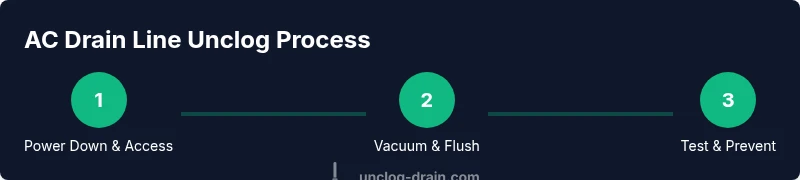
- Power down the system and locate the condensate drain line access point.
- Clear the access and inspect for obvious blockages or standing water.
- Try to remove debris with a wet/dry vacuum or plumbing snake.
- Flush the line with a vinegar solution to kill mold and rinse away loosened debris.
- Test by running the fan and watching the condensate flow.
- If flow returns slowly or not at all, repeat or escalate to a professional.
These steps form the core approach to the ac drain line unclog task. They’re designed to be safe for typical residential systems and accommodate common clog types. For most homes, following this framework will restore proper drainage and help protect your living space from water damage.
Tools, Methods, and Why They Work
- A wet/dry vacuum can extract loosened debris from the line when you can seal the end of the line. This method is especially effective for partial clogs near the access point.
- A plumber’s snake (auger) can break up mineral scale or organic buildup that vacuums can’t dislodge. Feeding it slowly prevents pipe damage while providing leverage to scour the blockage.
- A vinegar rinse (1 cup distilled white vinegar per gallon of hot water) helps dissolve mineral deposits and reduces mold growth without harsh chemicals. It’s gentle on most condensate systems and safe for homeowners when used as directed.
- A bucket, towels, and old rags keep the work area clean and minimize water damage during unclogging.
- Aftercare might include cleaning the drain pan and checking the float switch to prevent future overflows.
Understanding why each method works helps you choose the right tool for your particular clog and reduces the chance of reoccurrence.
Maintenance and Prevention Strategies
- Flush monthly with a vinegar solution to prevent buildup and keep the drain line flowing smoothly. This simple routine helps maintain a crisper condensate path and reduces microbial growth.
- Inspect the condensate line monthly, especially in humid climates where mineral content and organic debris accumulate faster. Look for signs of moisture, corrosion, or bugs near the line.
- Install a condensate overflow switch and ensure the drain pan is clean. A float switch provides a safety net against overflow when drainage slows down or stops.
- Keep the area around the furnace and evaporator coil free of dust and debris. A dust-free environment reduces debris that can travel into the drain line.
- Replace or clean air filters regularly to reduce debris entering the drain line and to maintain overall HVAC efficiency.
Proactive maintenance reduces the chance of a sudden clog and keeps your AC running efficiently. The Unclog Drain team emphasizes that prevention saves time, money, and headaches by avoiding emergency calls and water damage.
Troubleshooting and Common Mistakes
- Do not run the AC with a known clog; water damage can occur quickly and silently.
- Avoid mixing bleach with vinegar — this creates harmful fumes and can damage components. Stick to gentle cleaners and water when flushing.
- If you cannot access the line safely or the clog persists after a couple of attempts, stop and call a pro. There could be a more complex issue in the line or in the pan that requires professional equipment.
- Do not force the line with excessive pressure; you may crack pipes or dislodge connections.
- If in doubt, schedule a professional inspection to verify there are no hidden leaks or mold growth behind walls.
Common mistakes include ignoring early signs, using overly powerful chemicals, and skipping safety steps. By following these guidelines, you can reduce the risk of damage and protect your home.
Quick-Reference Checklist
- Power off the unit.
- Locate and open the drain line cleanout.
- Vacuum or auger to remove debris.
- Vinegar flush; rinse with water.
- Re-test drainage; monitor for overflow.
This compact checklist gives you a rapid recap of essential steps for the ac drain line unclog task, ideal for quick reminders before a maintenance session.
Authority Sources
For additional reading on safe, code-compliant practices and drainage maintenance, refer to trusted sources such as Energy.gov, EPA.gov, and OSHA.gov for general safety and building maintenance guidelines. While these sources cover broader HVAC and safety topics, they provide foundational guidelines that support home maintenance practices and risk reduction when dealing with condensate drainage.
mainTopicQuery
air-conditioner drain
Tools & Materials
- gloves(Nitrile or latex; protect hands from debris)
- safety glasses(Eye protection for debris and splashes)
- flashlight(Bright light to inspect the line and access point)
- wet/dry vacuum(Capable of suction on the condensate line end)
- plumber's snake (auger)(Flexible auger suitable for small-diameter lines)
- distilled white vinegar(Use as a safe cleaner flush (do not mix with bleach))
- hot water(Helps rinse debris after vinegar flush)
- bucket(Contains waste and helps manage spills)
- towels/old rags(Absorb moisture and protect flooring)
Steps
Estimated time: 60-75 minutes
- 1
Power down and locate the drain access
Turn off power to the indoor unit at the main breaker to avoid shocks. Locate the condensate drain access point near the evaporator coil or furnace; use a flashlight to confirm you are at the right pipe. This step ensures you can work safely and identify the cleanout for removing the cap.
Tip: Double-check you’ve selected the indoor unit’s electrical disconnect, not exterior equipment. - 2
Clear access and inspect for clogs
Remove the cleanout cap or accessible end of the line and visually inspect for visible debris. If water sits at the access point, you may be dealing with a partial blockage. Keeping the area dry helps you work more effectively.
Tip: Have towels ready to catch any overflow and avoid water damage. - 3
Vacuum out the line debris
Attach the wet/dry vacuum hose to the line end and seal as best as possible. Run the vacuum for 1–2 minutes to pull out loosened debris. If the line won’t seal, place a damp rag around the fitting to improve suction.
Tip: Keep hands away from hot surfaces and ensure the vacuum is on a safe setting. - 4
Flush with vinegar solution
Mix 1 cup distilled white vinegar with 1–2 gallons hot water. Slowly pour the solution into the drain via the access point and let it sit for 15–30 minutes to dissolve mineral deposits and kill mold. Rinse with clean water afterward to flush out remaining debris.
Tip: Do not mix vinegar with bleach; the combination can release harmful fumes. - 5
Use a plumber’s snake if needed
If the clog persists, insert the auger into the line and rotate the handle to break up the blockage. Feed gently and pull back any debris in small increments. Stop if you feel significant resistance to prevent pipe damage.
Tip: Wear gloves and work slowly to avoid kinking or breaking the line. - 6
Test drainage and reassemble
Reinstall the cleanout cap securely. Reconnect power and run the system to test the condensate flow. Check the drain pan for any overflow and ensure the line remains clear.
Tip: Watch for steady drainage and listen for abnormal sounds that could indicate another blockage. - 7
Document and establish prevention
Note the date of unclogging and set a recurring maintenance reminder. Consider monthly vinegar flushes and installing a condensate overflow switch to prevent future overflows.
Tip: Create a simple maintenance schedule to avoid repeat emergencies.
Common Questions
What causes AC condensate drain line clogs?
Clogs are usually caused by mineral buildup, algae, dust, and organic matter that collect inside the condensate line over time. Humid environments accelerate growth, and a neglected line is more prone to blockages. Regular maintenance reduces the risk.
Clogs are usually mineral or organic buildup in the condensate line, especially in humid spaces. Regular maintenance helps prevent this.
Is it safe to use vinegar to unclog the drain line?
Yes, vinegar is a mild, effective cleaner for mineral buildup and mold in condensate lines. Do not mix vinegar with bleach, and flush with clean water afterward to avoid residual fumes.
Vinegar is generally safe for condensate lines when used properly. Do not mix it with bleach and rinse well after treatment.
Can a clogged AC drain line damage my unit?
A clogged drain line can cause water to overflow into the surrounding area, potentially damaging ceilings, walls, and electrical components. It may also contribute to mold growth if moisture remains.
Yes, it can cause water damage and mold if not addressed, so address clogs promptly.
When should I call a professional?
Call a professional if you cannot access the line safely, if you detect mold, persistent moisture, or if the clog recurs after a DIY attempt. A pro can assess for leaks or more complex issues.
If you’re unsure or the clog keeps returning, it’s best to call a pro.
How often should I maintain the condensate drain?
A monthly or quarterly check, plus a yearly professional inspection, helps catch issues early. Regular vinegar flushes can be part of a preventive routine.
Aim for monthly checks and annual professional assessments to keep drains clear.
What safety precautions should I follow?
Always shut off power to the unit before working on any drainage components. Wear gloves and safety glasses, and avoid wet electrical parts. If you’re unsure, stop and seek professional help.
Shut off power, wear eye protection, and don’t work on live electrical parts. If unsure, call a pro.
Watch Video
Key Points
- Power off the unit before starting
- Seal and vacuum the line to remove debris
- Use a vinegar flush to dissolve mineral buildup
- Employ a plumber’s snake for stubborn clogs
- Maintain monthly maintenance to prevent future clogs