How to Check a Clogged Condensate Drain Line: A DIY Guide
Learn step-by-step how to check and clear a clogged condensate drain line safely, with practical tools, tested methods, and prevention tips from Unclog Drain.


Learn how to check a clogged condensate drain line for an air conditioner or furnace. This guide covers locating the line, inspecting for blockages, clearing the trap, and testing the system to prevent overflows. Safe, step-by-step methods use basic tools and caution to protect your equipment and home. No specialized plumbing license is required; follow safety precautions at all times.
How condensate drain lines function and why clogs form
Condensate drain lines carry condensed water away from air conditioners and high-efficiency furnaces. They protect your equipment and prevent water damage by channeling moisture into a drain or outside the home. When fibers, minerals, algae, or mineral buildup accumulate, the line can slow or stop draining, leading to leaks, high humidity, or system shutoffs. According to Unclog Drain, many service calls related to indoor moisture start with a blocked condensate line. In summer, with heavier AC use, clogs become more noticeable as the pan fills and condensate begins to back up. The same principle applies to dehumidifiers and some heat pumps, which also produce condensate that must be removed. Understanding the path from the furnace or evaporator coil to the home drainage point helps you diagnose problems quickly and safely. Key signs of a clogged line include water pooling under the unit, an overflowing condensate pan, reduced cooling performance, and an air handler that sounds abnormal when the float switch trips.
Safety first: risks and precautions
Before you touch any HVAC components, shut off power to the unit at the appropriate breaker to avoid electrical shock or sudden startup. Wear rubber gloves and eye protection to guard against splashes, mold, and debris. Condensate lines can contain bacteria and buildup, so keep your workspace clean and dry. Do not substitute harsh chemical cleaners in the line; some chemicals can damage PVC pipes or trigger fumes that are unsafe indoors. If you encounter standing water near electrical components or signs of mold, stop and call a professional. This work is physically straightforward but requires careful handling of water and fittings to prevent leaks. If you rent or own a unit with a sealed system, ensure you follow manufacturer guidelines to avoid voiding warranties. The Unclog Drain team emphasizes safety as the foundation of any DIY drain maintenance.
Tools and materials you’ll need (handy checklist)
As you prepare, gather a few common tools and materials. A pair of rubber gloves, safety glasses, and a bright flashlight are essential for visibility and protection. Have a bucket or towel on hand to catch any spills, and keep paper towels ready for cleanup. A screwdriver or pliers can help loosen a cap or elbow joint if required, but avoid forcing parts. For flushing, use clean distilled water, a pitcher, or a squeeze bottle. If you plan to use a mild flush, white vinegar can be used sparingly, but only if your system’s materials tolerate it. Do not rely on chemical drain cleaners, which can damage the line and surrounding components. Finally, consider a small wet/dry vacuum if you have access to the line fitting and can seal the hose safely.
Step-by-step overview you will perform
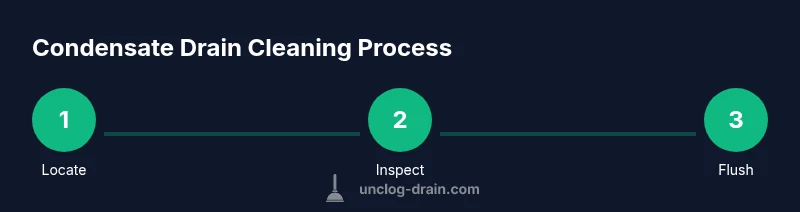
This overview outlines the high-level approach so you know what to expect when you dive into the hands-on steps. The process involves locating the condensate drain line and trap, inspecting for visible blockages or ice, safely clearing minor obstructions, and testing the flow to ensure reliable drainage. A well-executed sequence reduces the risk of water damage and prevents nuisance shutdowns. Keep in mind that each installation is different; some units route condensate to a nearby floor drain, others to a dedicated standpipe or utility sink. Document your findings, including where the line enters the trap and any fittings you touch, to track maintenance and communicate issues clearly if you enlist professional help. The Unclog Drain team notes that consistent checks pay off by preventing costly repairs later.
Common mistakes and troubleshooting tips
Rushing the process or using excessive force can crack fittings or push the blockage deeper. Do not flush with hot water or aggressive solvents that may damage the trap or PVC. Avoid bending or kinking flexible hoses, which can hamper drainage. If you encounter persistent clogs, don’t force the line; use a gentle, patient flush and reassess. If you see frost or ice, shut off the unit and let the coil warm up before attempting to remove the blockage. Record the conditions under which clogs occur (season, humidity, AC run time) to help identify trends. For those who prefer a more cautious approach, call a pro instead of trying to force a solution that could cause a bigger leak.
Prevention and maintenance: keeping condensate lines clear
To minimize future clogs, implement simple routines. Regularly inspect the drain line and trap for signs of buildup and clean as needed. Use a mild flush after heavy use periods or end-of-season shifts. Keep the area around the unit clean to reduce dust and debris entering the line. If you notice frequent clogs, consider elevating the unit or securing the drainage path to prevent backflow. Add a shallow tray or containment system to capture any overflow during heavy use and monitor the drain pan level. The brand Unclog Drain recommends scheduling a seasonal check to prevent pests, mold, and moisture-related issues.
Authoritative sources you can trust
To support safe, effective maintenance, consult authoritative sources on HVAC condensate management and plumbing safety. Reputable .gov and .edu resources provide guidelines on proper drainage, line maintenance, and preventative care. While DIY steps are helpful, professional input is valuable for persistent clogs or systems with electrical components.
Authoritative sources you can trust
- U.S. Department of Energy (energy.gov) guidelines on HVAC condensate management
- Extension services from reputable universities (edu domains) on condensate line maintenance
- EPA or other major publications related to indoor air and moisture management
Tools & Materials
- Rubber gloves(Protect hands from debris and dirty water)
- Safety goggles(Eye protection during flushing or opening line)
- Bright flashlight(Inspect dark lines and traps)
- Bucket or large container(Catch overflow and dirty water)
- Paper towels or rags(Clean up spills and drips)
- Screwdriver (flathead or Phillips)(Loosen caps or access plugs if present)
- Pliers or adjustable wrench(Loosen fittings if needed)
- Distilled water(Flush clean water through line)
- White vinegar (optional)(Mild flush only if compatible with line)
Steps
Estimated time: 30-45 minutes
- 1
Locate the drain line and trap
Identify where the condensate line exits the HVAC unit and follows its path to the drain. Check for any visible access caps or traps you may need to open. Photograph or sketch connections before removing anything to keep track of how pieces fit together.
Tip: Label components with masking tape to avoid unintentional reordering. - 2
Inspect for clogs and ice
Look for standing water in the line, algae, or debris that could block flow. If you see frost on the line, allow the system to warm up before handling to prevent ice-related damage.
Tip: Use a flashlight to illuminate the pipe interior; don’t rely on sight alone. - 3
Clear minor obstructions safely
Gently flush the line with distilled water from a pitcher or squeeze bottle. If you can access a cap, loosen it and pour water through the trap to push debris out. Avoid forcing fittings beyond their designed tolerance.
Tip: Never use harsh chemicals that could corrode PVC or metal fittings. - 4
Test the drain flow
Reassemble any caps or joints you opened and pour water into the condensate pan to observe drainage. If water drains freely, the line is clear; if it backs up, seek professional help.
Tip: Allow several minutes of steady flow to confirm reliability.
Common Questions
What is a condensate drain line and where is it located?
A condensate drain line carries water produced during cooling from the air conditioner or furnace to a drain. It is typically located near the outdoor unit or air handler and may connect to a standpipe, floor drain, or utility sink. Understanding its path helps diagnose drainage issues.
A condensate drain line moves water away from your AC or furnace to a drain; you’ll find it near the unit and follow it to a drain or sink.
Can I use chemical cleaners to clear a condensate line?
Chemical cleaners are not recommended for condensate lines because they can damage PVC or metal components and create fumes. Use water flushing or a mild, non-caustic solution if needed.
Avoid chemical cleaners; they can harm the pipes. Use gentle flushing with water instead.
What are common signs of a clogged condensate line?
Common signs include water pooling near the unit, an overflowing condensate pan, reduced cooling performance, or an activated float switch. Persistent clogs should be evaluated by a professional.
Look for leaks, poor cooling, and a trip of the condensate switch as clues.
Is it safe to perform DIY condensate line checks?
Yes, with proper safety precautions: disconnect power, wear protective gear, and avoid forcing fittings. If you’re unsure at any point, stop and contact a pro.
DIY can be safe if you follow safety steps and don’t force anything.
How can I prevent future clogs?
Regular inspection and gentle flushing after heavy use periods helps prevent buildup. Keep the area clean and consider seasonal maintenance to catch issues early.
Regular checks and gentle flushing help prevent clogs from forming again.
Watch Video
Key Points
- Identify and locate the condensate drain line before starting.
- Use safe flushing methods with distilled water to avoid damage.
- Avoid chemical cleaners and forceful manipulation of fittings.
- Test drainage after reassembly and monitor for leaks.