Where Is the Clogged Condensate Drain Line? Quick Troubleshooting Guide
Learn to locate and fix a clogged condensate drain line quickly with practical steps, safety tips, and prevention strategies to stop leaks and mold.


Most often, where is clogged condensate drain line? It's the small PVC pipe that runs from your air handler or furnace to a drain. A biofilm of algae or mineral buildup can block it, causing overflow and water in the pan. Quick fix: shut off the AC, locate the line, and gently clear the blockage with a wet/dry vac or flush with a vinegar-water solution, then test.
Where to Start: Understanding where is clogged condensate drain line and why it fails
If you’re dealing with a flooded pan or a dripping furnace, the first question is: where is the clogged condensate drain line? It’s typically a gravity-fed PVC pipe that runs from your furnace or air-handling unit to a drain connection. In many homes, the line descends behind the unit and exits near the condensate pump or a standpipe. When the line becomes blocked—often by algae, biofilm, mineral scale, or lint—moisture cannot exit the unit. That water then backflows into the drain pan, triggering an overflow switch, nuisance leaks, and potential mold growth. Quick checks include inspecting the trap, looking for visible blockages, and noting any unusual odors or discolored water. Understanding the path helps you diagnose symptoms quickly and avoid unnecessary disassembly.
- Signs of trouble: standing water in the pan, a tripped overflow switch, or slow drainage.
- Typical routes: the line runs from the air handler to a floor drain or condensate pump; some systems route through a vertical chase or utility closet.
- Safety reminder: never power the unit while you’re inspecting the line or touching electrical components.
In most homes, a clogged condensate drain line is a straightforward fix with the right approach. Starting with the simplest checks saves time and reduces the risk of accidental damage. If you confirm a clog but cannot clear it, you’ll be prepared to describe the exact location to a service tech, which speeds up repair.
How to Locate the Condensate Drain Line in Your System
The condensate drain line is usually a small white PVC pipe about 1/4 to 1/2 inch in diameter, though some setups use clear or black tubing. Begin by turning off the thermostat and, if accessible, the disconnect switch or circuit breaker to the furnace or air handler. Look for the line at the indoor unit: you’ll often see a short elbow that points toward a nearby drain pan or a capped fitting that leads to a drain. In attic or crawlspace installations, follow the pipe upward from the air handler to the highest point, then trace it down to the drain. If your unit has a condensate pump, the line will exit the pump and connect to a standpipe or condensate drain line. Label and photograph the route so you can revisit it if the problem recurs. Typical indicators of a clogged line include a slow drain, a pan overflow, or an odd odor from the drain area.
Common Causes and Quick Checks
- Algae and biofilm buildup in the line: the most frequent cause in humid climates.
- Mineral scale from hard water: can narrow the pipe and trap sediment.
- Debris in the drain pan or trap U-bend: lint, dust, or pet hair can block flow.
- Faulty float switch or pump: misreads can trigger overflow even with a partial clog.
- Incorrect slope: a flat or poorly tilted line traps water and accelerates blockages.
Quick checks:
- Inspect the U-trap for visible clogging and clean if needed.
- Check for standing water in the pan even when the AC is on.
- Smell the condensate line; a strong odor suggests organic growth that should be flushed.
If you identify a partial clog, avoid forcing cleaners deep into the line—these lines are narrow and fragile. A simple flush with vinegar solution or distilled water is often enough to clear minor buildup.
Diagnostic Flow Overview
This section provides a quick, action-oriented map you can follow when diagnosing a clogged condensate drain line. Start with the simplest checks: confirm power is off, inspect the line’s end near the drain, and look for visible blockages. If the line looks clear but you still see an overflow, consider the condensate pump, float switch, or pan sensor. Move to a controlled flush with water or vinegar, then re-test. If the problem persists, escalate to more thorough line cleaning or professional service. Safety notes are embedded—never work on energized components, and wear eye protection when flushing.
Step-by-Step: Clear the Condensate Drain Line
This section provides a focused, practical workflow to fix the most common clog. It supplements the quick checks above and prepares you for the detailed steps in the next section.
- Time-saving tip: photograph connections before you begin so you know how to reassemble.
- Materials: wet/dry vac, distilled water, white vinegar, towels, containers for catching residual liquid.
Safety Tips and Prevention
Safety comes first when dealing with condensate lines. Electricity, water, and HVAC components create multiple risk points. Never work on live wires or a live furnace. If you observe persistent mold, odors, or heavy corrosion, seek professional help sooner rather than later. After clearing a clog, implement a routine maintenance plan to prevent future buildup. Schedule semiannual inspections, especially in humid climates, and consider a yearly line flush as part of your HVAC maintenance.
Step-by-Step (Continued)
- Step-by-step actions are provided in a separate, dedicated block to avoid redundancy and ensure you have a clear, testable procedure. Follow the steps in order and verify each milestone before proceeding. Always document the route and any changes for future reference.
Steps
Estimated time: 30-45 minutes
- 1
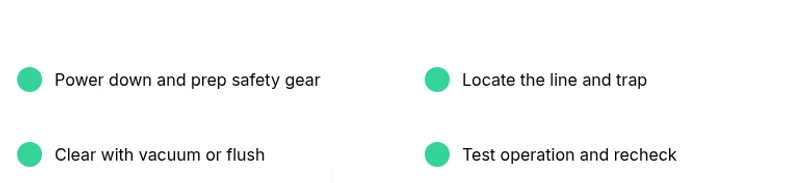
Power down and prep safety gear
Turn off the thermostat and cut power to the furnace or air handler at the breaker. Put on eye protection and gloves. Have towels ready to catch spills.
Tip: Take a photo of connections before disassembly - 2
Locate the drain line and trap
Trace the line from the indoor unit to the trap and to the exit. Identify the U-trap and the end where the line drains to the pan or floor drain.
Tip: Mark each connection with tape for easier reassembly - 3
Clear blockages with a vacuum
Attach a wet/dry vacuum to the end of the drain line and seal as best as possible. Run the vacuum for 30–60 seconds to suck out loose debris.
Tip: Do not create a tight seal around the pipe if it damages the fitting - 4
Flush with vinegar-water
Mix equal parts distilled water and white vinegar. Pour or flush this solution through the line to dissolve biofilm and mineral buildup. Let it sit briefly, then flush with clean water.
Tip: Do not mix vinegar with bleach; never use harsh chemicals near electrical components - 5
Check the trap and slope
Inspect the U-trap for remaining debris. Ensure the drain line slopes downward at a steady 1/4 inch per foot toward the drain to prevent standing water.
Tip: Corrective slope is critical; even a small tilt can re-create clogs - 6
Test operation and safety checks
Restore power and run the system. Observe the pan area for any overflow and listen for unusual noises from the pump. Re-check after a few cycles.
Tip: If overflow recurs quickly, the line may require replacement or pump repair
Diagnosis: Water overflowing from condensate pan or slow drainage
Possible Causes
- highAlgae/biofilm buildup in the drain line
- mediumMineral scale narrowing the pipe
- lowFaulty condensate pump or float switch
Fixes
- easyVacuum out accessible blockages with a wet/dry vac
- easyFlush line with vinegar-water solution to remove biofilm
- mediumInspect/replace condensate pump or float switch if needed
Common Questions
What are the telltale signs that my condensate drain line is clogged?
Common signs include a pan overflow, slow drainage, or a persistent odor near the drain. The indoor unit may shut off to prevent spills, and you might notice moisture on walls or ceiling near the unit.
Look for overflow, slow drainage, or damp spots around the furnace. The unit may shut off to prevent spills.
Can I use bleach to clear the condensate line?
Bleach is not recommended for condensate lines because it can corrode fittings and harm the pump. Vinegar or hydrogen peroxide is safer for biofilm and mineral buildup when used properly.
Bleach isn’t recommended here; vinegar or peroxide is safer for cleaning the line.
When should I call a professional?
If clogs keep returning after DIY steps, if you hear grinding from the pump, or if you’re uncomfortable working near electrical components, contact a licensed HVAC technician.
Call a pro if clogs keep coming back or you’re unsure about the pump or wiring.
How often should condensate lines be inspected?
In humid climates, inspect and flush the condensate line at least twice a year. In drier areas, you can schedule checks annually.
Check twice a year in humid areas, once a year otherwise.
What tools are essential for DIY clearing?
A wet/dry vacuum, distilled water, white vinegar, towels, a bucket, and basic screwdrivers are typically enough for a basic clearance.
Keep a vacuum, vinegar, towels, and a bucket handy for clearing the line.
Watch Video
Key Points
- Identify the condensate line path before work.
- Clear blockages with vacuum and vinegar flush first.
- Check pump and float switch if overflow persists.
- Establish a maintenance routine to prevent future clogs.