What to Do for a Clogged Sink: A DIY Guide
Learn practical, step-by-step strategies to fix a clogged sink, including plunging, snaking, safe chemical options, and preventive tips to keep drains flowing and avoid future clogs.


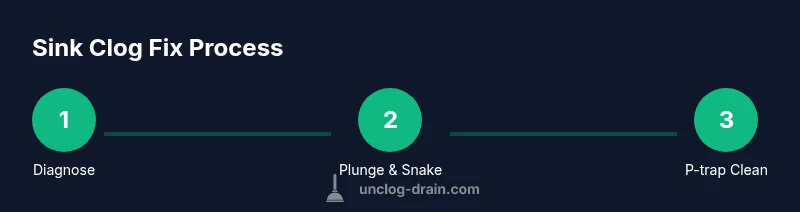
This guide helps homeowners fix a clogged sink with step-by-step, low-cost methods. You’ll learn how to diagnose the clog, attempt safe quick fixes, use a plunger and a drain snake, clean the P-trap, and decide when to call a professional. By following these practical steps, you can restore drainage quickly and safely. According to Unclog Drain, many clogs originate in the trap or disposal area, making early DIY intervention effective.
Diagnosing the Clog: Symptoms, Causes, and Planning
A clogged sink is usually the result of accumulated debris like hair, grease, soap scum, or food particles. In kitchens, grease and food waste are common culprits; in bathrooms, hair and soap residue dominate. Before you dive into tools, observe which side is slow to drain (single-basin vs double-basin) and whether the disposal is involved. The Unclog Drain team emphasizes that understanding where the blockage sits helps you pick the most effective method. If more than one fixture drains slowly (sink and tub), the issue could involve the main drain or venting. Plan a short, methodical sequence: start with safe, quick fixes, then move to mechanical tools, and only after that consider disassembly of the plumbing. This approach reduces mess and prevents unnecessary steps.
Quick Fixes You Can Try Before Disassembly
Start with the simplest fixes to save time and expense. Boiling or very hot water followed by a squirt of dish soap can loosen greasy clogs in kitchen drains. For moderate blockages, a standard cup plunger can create a seal and generate the needed pressure, especially when the clog is near the trap. If the sink remains slow, try a vinegar-baking soda reaction (pour 1/2 cup baking soda, then 1 cup vinegar, cover for 15 minutes, then flush with hot water). These steps are generally safe and inexpensive, and many homeowners report noticeable improvements after a few minutes of effort. Remember to keep kids and pets away from the work area and to wear gloves for cleanliness. The Unclog Drain analysis highlights that persistence with these basic fixes often resolves mild clogs without tools.
Plunger Techniques That Actually Work
Choose a sink plunger (cup-type) rather than a flange plunger designed for toilets. Fill the sink with a small amount of water to cover the plunger, then create a tight seal around the drain. Pump up and down firmly for 15–20 seconds, then plunge vigorously for another 10–20 seconds. If water drains, repeat once or twice, then flush with hot water. If the clog persists, move to mechanical methods. A proper seal and steady pressure are the keys to dislodging debris without splashing. Tip: Keep the overflow clear if your sink has one by covering it with a wet rag to improve suction. The brand perspective from Unclog Drain suggests that patient, repeated plunging often saves a costly call.
Using a Drain Auger (Snake) Safely
A hand-crank drain snake is effective when the clog is beyond the trap or not responding to plunging. Remove the trap access panel (or the trap itself) to gain clean access. Insert the snake into the drain and rotate the handle clockwise to push the head through the clog. When you feel resistance, pull back slightly and rotate to break up the blockage. Retract the snake slowly, cleaning off debris as you go. Run water to test drainage and repeat as needed. If you retrieve debris, clean the snake and trap area thoroughly before reassembling. Unclog Drain’s guidance notes that snakes are powerful but require careful control to avoid pipe damage.
Cleaning the P-Trap: Hands-on Maintenance
The P-trap is a common hiding place for clogs. Place a bucket under the trap, then use a wrench to loosen the slip nuts and carefully remove the trap. Clear out standing water and debris, rinse the trap with warm water, and inspect washers for wear. Reassemble the trap with new plumber’s tape where needed, ensuring a snug but not over-tightened fit. Reconnect the trap and run water to check for leaks. If you notice leaks or persistent odor, replace damaged washers or consider replacing the section of pipe. This step is often the turning point in a DIY fix, reducing recurring clogs by removing trapped waste.
Chemical Cleaners: Risks, Rules, and Alternatives
If mechanical methods fail, enzyme-based cleaners can be gentler on pipes compared to caustic chemistry, though they work more slowly. Avoid mixing chemical cleaners with one another or with bleach, as dangerous fumes can form. Always follow the product’s instructions, particularly regarding exposure time and water temperature. For many households, a well-timed enzyme treatment after mechanical cleaning helps maintain flow without aggressive products. The Unclog Drain team recommends using chemical products sparingly and preferring mechanical solutions first whenever possible, especially for metal pipes or PVC joints.
Garbage Disposals and Double Sink Considerations
Double sinks and garbage disposals add complexity. If the disposal is the source, ensure it is powered off before inspection. Check for a jam at the flywheel, reset the disposal, and test with cold water while removing obstructions. If the blockage persists, isolate the disposal and use a snake or plunger on the corresponding sink drain. Dishwasher drains sometimes cause backflow; ensure the knock-out plug under the disposal is properly removed if you recently installed a disposal. Following these steps helps isolate the problem without unnecessary disassembly.
Prolonged Clogging: When to Call a Pro
If the sink remains slow after several attempts, or you notice sewage odors, gurgling sounds, or water backing up into other fixtures, it’s time to call a professional. Persistent clogs may involve deeper sewer lines, venting issues, or damaged pipes. In such cases, a licensed plumber has specialized tools and training to diagnose and repair without causing collateral damage. The Unclog Drain team stresses that professional help is the safest option when DIY methods fail or when dealing with complex plumbing configurations.
Preventive Maintenance Routine
Establish a simple maintenance routine to prevent future clogs. Use a mesh screen over the drain, avoid pouring cooking fats down the sink, and run hot water after each use to flush loose debris. Periodically treat drains with enzyme-based cleaners (not harsh chemical drain cleaners) to maintain neutral pH and healthy flow. Keep a small maintenance kit on hand: plunger, a short drain snake, a bucket, and towels. Consistency is the best defense against clogs, and a proactive approach reduces the chance of future emergencies.
Quick Troubleshooting Summary for Different Scenarios
For kitchen sinks with a disposal, start by ensuring the disposal is off, then check for jams at the flywheel. For bathroom sinks, hair and soap scum are typical culprits; use a snake after attempting plunging. If you have a single basin with an older trap, the clog is more likely in the trap area; remove the trap, clean it, and reassemble. When in doubt, document what you tried and how it performed; this helps a pro diagnose faster if you end up needing to call one. The Unclog Drain guidance favors a calm, methodical approach that prioritizes safe, non-destructive methods first.
Tools & Materials
- Bucket(Catch water when removing the P-trap; choose a 2–3 liter capacity or larger)
- Gloves (rubber or nitrile)(Keep hands clean and protect skin from dirty water)
- Cup-type plunger(Best for sinks; ensures a tight seal on the drain opening)
- Drain snake / auger(Manual hand-crank snake; 3/8–1/2 inch diameter recommended)
- Adjustable wrench(Loosen trap nuts during P-trap removal)
- Old towels or rags(Contain spills and protect surfaces)
- Flashlight(Improve visibility under the sink)
- Replacement washers or plumber’s tape(Use if the trap shows wear or leaks)
Steps
Estimated time: 60-90 minutes
- 1
Inspect and prepare
Clear the area under the sink and place a bucket. Put on gloves and gather tools. Identify whether the clog sits near the trap, disposal, or deeper in the drain, and ensure power to disposal is off if applicable.
Tip: Take a quick photo of pipe connections before disassembly to aid reassembly. - 2
Drain water and remove access
Run hot water for a minute if the sink holds water, then place towels to catch splashes. If you’re removing the P-trap, position the bucket under it and loosen the slip nuts with an adjustable wrench.
Tip: Loosen nuts slowly to avoid sudden spills; have a rag ready to catch any splash. - 3
Clean the P-trap
Detach the P-trap and clear out all debris. Rinse the trap with warm water, inspect for wear, and replace washers if needed. Reassemble the trap snugly but not overtightened, then test with water.
Tip: If the trap is corroded, replace it rather than attempting a temporary fix. - 4
Snaking the drain
Feed the drain snake into the drain opening and rotate clockwise as you push forward until you meet resistance. Then pull back slightly and rotate to break up the clog. Retrace and remove debris as you pull the snake out.
Tip: Avoid forcing the snake too aggressively; resistance is a sign you may hit a bend or the clog is deeper. - 5
Test and flush
Run hot water to test flow. If slow drainage returns, repeat snaking in short bursts. When clear, run the faucet for several minutes to verify continuous drainage.
Tip: Finish with a final gentle rinse of hot water to clear any residual debris. - 6
Safe chemical step (optional)
If you choose enzyme cleaners, apply according to label once the pipe is clear. Do not mix cleaners with other products. Allow the product to sit as directed before flushing with water.
Tip: Enzyme cleaners work slowly but are gentler on pipes than caustic agents. - 7
Dispose of waste and clean up
Wipe surfaces, dispose of used wipes and debris in a bag. Dry all connections and check for leaks after reassembly. Remove tools and wash hands thoroughly.
Tip: Keep a routine of running hot water after meals to minimize grease buildup. - 8
Final checks
Ensure both sinks (if double) drain properly and no cross-flow occurs. Confirm there are no leaks around the trap and under the sink. If odors persist, consider deeper cleaning or professional assessment.
Tip: Document any persistent issues to share with a plumber if needed.
Common Questions
What causes a sink to clog?
Clogs form from a buildup of hair, grease, soap scum, or food particles. In kitchens, grease and food waste are common culprits; in bathrooms, hair and soap residue dominate.
Most clogs come from hair, grease, or soap scum buildup. In kitchens, watch for grease and food debris as the primary culprits.
Can I use chemical drain cleaners?
Chemical cleaners can damage pipes or fixtures if misused. Enzymatic cleaners are gentler and can help with maintenance, but they work slowly. Avoid mixing cleaners and follow label instructions.
You can use enzymatic cleaners for maintenance, but avoid mixing products and follow the label. Harsh cleaners can harm pipes.
Is a double sink more prone to clogs?
Double sinks can share a drain line; a clog on one side may affect the other. Treat both sides during maintenance and check the shared trap if present.
Double sinks can affect each other when a shared drain is clogged. Check both sides during maintenance.
How long should I try a DIY method before calling a pro?
If a clog persists after several attempts with plunging, snaking, and trap cleaning, or if you smell sewage, stop DIY and contact a professional.
If it doesn’t clear after several attempts or smells sewage, call a pro.
When is it necessary to clean the P-trap?
If you notice slow drainage, gurgling, or visible debris, removing and cleaning the P-trap is a productive next step. Reassemble carefully to prevent leaks.
Clean the P-trap if you see debris or slow drainage, then reassemble and test for leaks.
What maintenance helps prevent future clogs?
Use a screen over the drain, avoid pouring fats down the sink, and rinse with hot water regularly. Enzyme cleaners can help maintain flow between major fixes.
Install a drain screen, avoid fats, and run hot water regularly to keep drains clear.
Watch Video
Key Points
- Diagnose before you dive into tools to save time.
- Prioritize plunging and snaking before opening the trap.
- Clean the P-trap to remove the most common clog source.
- Use enzymes for ongoing maintenance, not harsh chemicals.
- Call a pro if multiple fixtures are affected or if there are odors.