Can't Get Sink Unclogged: Fast, Safe Fixes
Urgent, practical guide to diagnose and fix a sink that won't drain. Safe methods, step-by-step actions, and when to call a pro.


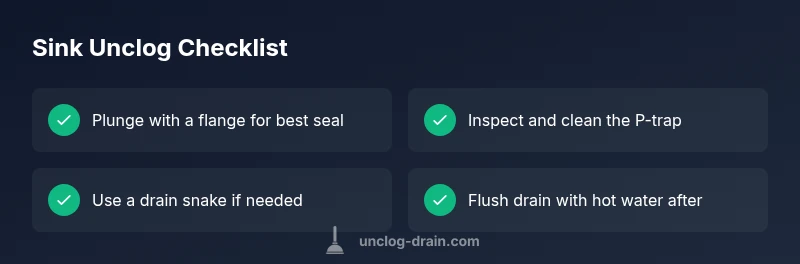
Usually a stubborn sink clog traces to a partial blockage in the P-trap or trap arm. If you can't get sink unclogged, start with a plunger, then remove the U-bend to clear hair and gunk. If that fails, try a drain snake or an enzymatic cleaner designed for drains. For safety, avoid chemical drain cleaners on sinks and call a pro if water backs up.
Why a Sink That Won't Drain Feels Frustrating
When you say you can't get sink unclogged, you're usually dealing with a blockage that sits where the trap meets the drain line or deeper in the pipe stack. According to Unclog Drain, most clogs are caused by hair, soap scum, cooking fats, and mineral buildup that accumulate in the P-trap over time. Slow drainage is a warning sign that debris is collecting, not just one hairball. Visual cues matter: standing water in the sink, a gurgling sound as you run water, and lingering odors. The goal isn’t heroic force, but steady, methodical steps that remove the obstruction without damaging pipes. In this guide, we’ll walk you through safe, proven techniques you can perform with common tools. The emphasis is on reliability, not shortcuts, so you can fix the problem today and prevent it from returning.
Quick, Safe Checks to Do First
If you can't get sink unclogged, begin with the simplest checks. Remove the sink stopper and clear any obvious debris. Check the P-trap under the sink: is it full of water or debris? Place a bucket underneath, loosen the slip nuts, and inspect for hair, soap, or grease. Rinse the trap with hot water and a brush. Reassemble and test. If water still pools, move to the next steps. Remember, patience and cleanliness beat brute force; it’s safer for your pipes and your back.
Removing the P-trap: A Practical How-To
The P-trap is the first likely culprit, and it’s designed to be removed for cleaning. Start by placing a bucket beneath the trap to catch water. Use adjustable pliers to loosen the nuts on the trap's ends; slowly lower the trap and dump its contents into the bucket. Inspect the bend for clogs or buildup. Clean thoroughly with a brush and warm, soapy water. Reassemble the trap tightly, then run water to test. If drainage improves but is not perfect, you may still have partial blockages further down the line. In that case, a snake or more deeper cleaning is warranted.
When a Plunger Won't Do: Draining Deeper with a Snake
If plunging and trap cleaning don’t restore flow, a drain snake is your next option. Feed the snake into the drain, turning the handle to break through the clog. Withdraw periodically to clean off debris. The goal is to reach the solid blockage without snapping the snake. If you feel heavy resistance, back off gently and try again from a different angle. Snakes work best when you have access to the full length of the pipe, so be prepared to work under the sink for a while.
Enzymatic Cleaners vs Mechanical Methods: What Works Best
Enzymatic cleaners can help with organic buildup over time, but they are not a magic bullet for stubborn blockages. They’re safer for pipes and the environment, but they require time to work and repeated applications. Mechanical methods—plungers, traps, and snakes—give immediate, decisive results for most household clogs. If you’re dealing with a deep or recurring problem, combine methods safely: clear the trap, attempt plunging or snaking, then use an enzyme product as a preventive rinse.
Prevention Is the Best Cure: Habits That Keep Sinks Clear
Preventing clogs is easier than removing them. Install a mesh cover on the drain to catch hair and food particles. Run hot water down the drain after heavy use and periodically flush with a baking-soda-and-agua solution (or a mild cleaner) to reduce grease buildup. Avoid pouring oil or fat down the sink. Periodic P-trap cleaning, every few months, keeps hair and soap scum from turning into a stubborn obstruction. This proactive approach is your best defense against recurring clogs.
Troubleshooting Quick Decision Tree: When to Stop and Call a Pro
If you’ve tried the basic steps with little to no improvement, it’s time to escalate. A sewer-backup smell, water backing up into other fixtures, or repeated clogs indicate a more serious issue that deserves professional assessment. The Unclog Drain team recommends consulting a licensed plumber when the clog returns after multiple attempts or when you suspect a main sewer line problem. Don’t delay if safety concerns arise or if you lack the proper tools.
Steps
Estimated time: 45-60 minutes
- 1
Gather tools and prep
Collect a bucket, adjustable pliers, rag, gloves, a flashlight, and a hair catcher. Clear the area and lay towels to catch spills. Ensure good lighting and a dry, stable workspace.
Tip: Having everything ready prevents mid-task trips to the toolbox. - 2
Shut off water and protect the area
Turn off the water supply under the sink and run the faucet to relieve pressure. Place the bucket beneath the P-trap to catch water. This prevents a mess once you start removing connections.
Tip: Keep one hand on the trap while loosening nuts to prevent spills. - 3
Remove the P-trap
Loosen the slip nuts with pliers or a wrench; carefully lower the trap into the bucket. Inspect the interior for hair, soap scum, and buildup. Clean the interior with a brush and warm soapy water.
Tip: Take photos during disassembly to help reassembly later. - 4
Reassemble and test the trap
Reattach the P-trap securely, ensuring there are no cross-threaded connections. Run hot water for a few minutes to flush residual debris. Check for leaks at all joints.
Tip: If leaks appear, tighten joints a bit more; avoid overtightening. - 5
If water still won't drain, use a drain snake
Insert the snake into the drain, rotating the handle to advance and break up the blockage. Retrieve debris as it catches. Withdraw and clean the snake before retrieving.
Tip: Never force the snake; resistance may mean a deeper issue. - 6
Final test and cleanup
Run the faucet to confirm full drainage. Wipe down the area, dispose of debris, and clean tools. If the clog remains, move to enzymatic cleaners or call a pro.
Tip: Document what worked for future prevention.
Diagnosis: Sink won't drain or drains slowly
Possible Causes
- highPartial clog in P-trap or trap arm
- mediumVent stack blockage or improper venting
- lowMain sewer line clog or shared line
Fixes
- easyDisassemble and clean the P-trap; remove hair and debris
- mediumUse a drain snake to clear the trap arm and beyond
- hardCall a professional if the clog persists or you suspect main-line issues
Common Questions
What should I do first if my sink won't drain?
Begin by removing the stopper to check for visible debris, then attempt a plunger. If that doesn't work, inspect and clean the P-trap, and try a drain snake if available.
Start by removing the stopper, then try plunging. If it doesn't work, inspect the trap and try a snake.
Can chemical drain cleaners damage pipes?
Yes. Many cleaners can corrode pipes or seals and should not be used routinely in sinks. They often fail to remove deep clogs.
Chem cleaners can damage pipes and seals and usually aren’t the best fix for stubborn clogs.
Is removing the P-trap hard for beginners?
Removing the P-trap is manageable with basic tools. Place a bucket, loosen the nuts, and clean the trap over the bucket.
You can remove the P-trap with basic tools and a bucket to catch water.
How long does it take to unclog a sink with a snake?
Using a drain snake can clear deeper blockages if you have access to the pipe, but if resistance remains, a professional may be needed.
A drain snake can clear many blockages, but if it doesn’t, you’ll want a pro.
When should I call a plumber?
Call a plumber if the clog returns after attempts, you suspect main sewer issues, or water backs up into other fixtures.
Call a plumber if clogs keep coming back or you suspect main sewer problems.
Do baking soda and vinegar help with clogs?
They can help with routine maintenance and minor buildup but are not reliable for hard clogs.
Baking soda and vinegar help with maintenance but won’t fix serious blockages.
Key Points
- Start with mechanical fixes before chemicals.
- Check and clean the P-trap first.
- Use a drain snake if plunging fails.
- Persistent clogs require professional help.
- Prevent future clogs with routine maintenance.