What to Use to Unclog Garbage Disposal: A DIY Guide
Discover safe, proven methods to unclog a garbage disposal using common tools. Skip harsh chemicals and follow this step-by-step guide to restore drainage quickly and safely.


To unclog a garbage disposal, rely on safe, common tools: long tongs or pliers to remove debris, a 1/4-inch Allen wrench to manually rotate the flywheel, a plumber’s snake for deeper jams, and a wet/dry vacuum to pull out clogs. Avoid chemical drain cleaners which can damage the unit and pipes.
What to Use to Unclog a Garbage Disposal: Safe Tools Overview
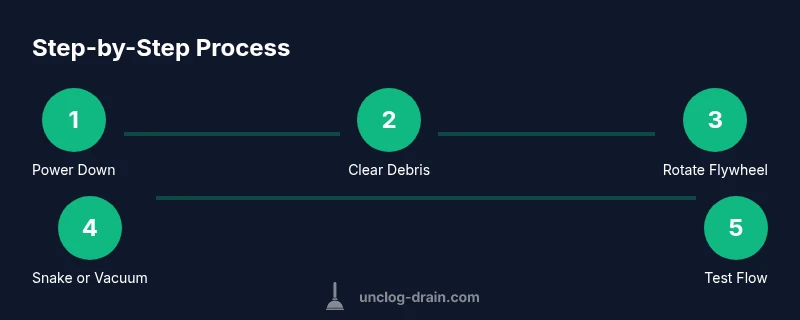
When you ask what to use to unclog garbage disposal, the answer is simple: rely on mechanical, non-chemical methods first. The goal is to clear the jam without harming the disposal’s grinding components or the plumbing. Start with items you likely have on hand, then add specialized tools as needed. Long kitchen tongs let you grab visible debris without putting your hands near the blades. Locking pliers extend your reach and provide a solid grip on lodged pieces. A 1/4-inch Allen wrench fits into the hex socket at the bottom of many disposals and lets you manually rotate the flywheel to loosen a stubborn jam. If the clog persists deeper in the line, a plumber’s snake (auger) can break up the blockage or pull it back toward the opening. Finally, a wet/dry vacuum can suck out loosened material from the drain. Avoid chemical drain cleaners—they can corrode the unit or damage seals and pipe connections. By using this toolkit, you’ll fix most disposals without a service call and keep your kitchen running smoothly for years to come.
Safety First: Prep, Power Down, and PPE
Before you reach for any tool, ensure the disposal is completely powerless. Unplug the unit from the under-sink outlet, or switch off the dedicated circuit at the breaker panel to remove all electrical risk. Put on sturdy gloves and eye protection, and keep a bucket and towels nearby to catch any splashes. A bright flashlight helps you see inside the chamber and identify lodged objects or a jammed flywheel. If you notice water seepage or signs of a larger leak, shut off the water line as a precaution and address the leak before resuming work. Safety isn’t just a checkbox—it’s the foundation of a successful, damage-free unclogging process.
Manual Removal: Reaching the Jam with Tongs or Pliers
Visible debris is often the culprit in a clogged disposal. Use long, sturdy tongs or locking pliers to grab and remove any food waste or foreign objects visible in the chamber. Work slowly and deliberately to avoid pushing material deeper into the drain. If the jam shifts, pause and reassess your grip. A small mirror can help you see behind the splash guard to ensure you’re not pushing live waste toward the impeller. Clear, removable debris reduces the load on your other tools and increases the chance of a successful unblock without disassembly.
Rotating the Flywheel with an Allen Wrench
Many disposals have a hex socket opening on the bottom where you can insert a 1/4-inch Allen wrench. With the power still off, insert the wrench and gently wiggle it back and forth to free the flywheel and any seized debris. If you feel resistance, stop and re-check for trapped objects. This technique often dislodges jams that block the grinding mechanism without requiring more aggressive measures. After rotating, attempt a quick test by turning the disposal on briefly (with the water running) to see if the grind resumes smoothly. If it doesn’t, move to the next step rather than forcing the device.
Snaking or Augering the Drain
A plumber’s snake can reach stubborn clogs that don’t yield to manual removal. Feed the snake into the disposal’s drain until you feel resistance, then rotate the handle to break up the blockage or hook onto it. Pull back slowly to bring loosened material toward the drain opening. For tight spaces, a flexible snake designed for kitchen sinks is ideal. Always keep a bucket ready for waste, and avoid forcing the snake, which can damage the impeller or seals. If you don’t own a snake, skip to vacuum-assisted methods rather than applying excessive force.
Vacuum Assistance and Alternative Methods
A wet/dry vacuum can be incredibly effective at pulling out clogs that are loose but stubborn. Attach the hose to the disposal’s drain opening, seal around the edge with a damp cloth, and run the vacuum on a liquid setting. The suction helps extract debris without disassembling the unit. After any suction attempt, flush the drain with cold water for a minute to test drainage. If the clog remains, you still have viable options: repeat manual removal, re-check for lodged material, or combine suction with a short burst of the Allen-wrench rotation to free the jam.
Maintenance After Unclogging: Prevention Tips
Once the clog is gone, take steps to prevent future jams: run cold water while grinding, avoid putting fibrous or starchy materials down the drain, and periodically grind small amounts of ice to sharpen blades. Keep a simple maintenance routine: monthly flush with cold water, a splash of dish soap, and a safe cleaning cycle using lemon peels or citrus rinds (to keep odors at bay). If you notice standing water after use again, reevaluate for leftover debris and consider a professional inspection if performance remains poor.
When to Call a Professional
Some clogs resist even aggressive mechanical methods. If you’ve tried manual removal, Allen-wrench rotation, snaking, and vacuuming without success, it’s time to consult a professional. Pro plumbers can diagnose internal jams, motor failures, or damaged seals that require disassembly or replacement parts. If your unit is old or shows signs of leakage, a replacement may be more cost-effective than repair. Don’t delay professional help if you smell burning, hear grinding noises after use, or notice water backing up into the sink.
Common Mistakes to Avoid
Common mistakes include using chemical drain cleaners in a garbage disposal, which can corrode blades and seals and void warranty. Avoid using metal objects, as they can damage the impellers. Do not force a jam by twisting or prying while the unit is powered; always disconnect electricity first. Finally, don’t ignore frequent clogs; recurring issues may indicate a larger problem that a pro should assess to prevent leaks or bigger failures.
Tools & Materials
- Long, sturdy kitchen tongs(Reach into the disposal without touching blades; stainless steel preferred)
- Locking pliers or long-handled needle-nose pliers(Helpful for gripping debris beyond reach)
- 1/4-inch Allen wrench(Insert into the hex socket at the bottom and turn to free the flywheel)
- Plumber's snake (auger)(6-36 inch snake; feed into the drain to break up deep clogs)
- Wet/dry vacuum(Set to liquid mode; seal the hose to the drain for best suction)
- Flashlight(Bright light helps you see into the disposal chamber)
- Work gloves(Leather or nitrile to protect hands from sharp edges)
- Bucket and rags(Catch water and debris; keep the area clean and dry)
- Dish soap (optional)(Lubricates and helps rinse after cleanup)
Steps
Estimated time: 30-60 minutes
- 1
Power down and unplug
Confirm the disposal is completely powerless by unplugging it or turning off the circuit. This prevents accidental turning on while you work. A quick check with a non-contact tester adds a final safety layer.
Tip: Always double-check the outlet and the switch before putting hands near the unit. - 2
Inspect the chamber and clear visible debris
Use a flashlight to inspect the interior and remove obvious debris with tongs or pliers. Avoid pushing material deeper; work from the top and gradually work toward the bottom.
Tip: Keep the bucket nearby to catch what you pull out and wipe the area clean as you go. - 3
Insert Allen wrench and rotate the flywheel
Insert a 1/4-inch Allen wrench into the hex socket on the bottom of the disposal and gently rotate back and forth to free the jam. If you feel resistance, stop and reassess for obstructions.
Tip: Do not force the wrench; the goal is a smooth back-and-forth motion until the flywheel loosens. - 4
Remove jammed debris with tongs
After loosening the flywheel, use tongs or pliers to extract the jammed material. If a stubborn piece remains, adjust your grip and try again, ensuring hands stay clear of the blades.
Tip: Work slowly and methodically to avoid pushing debris further into the unit. - 5
Snake or auger the drain
Feed the plumber’s snake into the drain; rotate the handle to break up or hook the clog. Pull back gently and repeat as needed until the water drains freely.
Tip: If you meet resistance quickly, back up and reposition before continuing. - 6
Vacuum out remaining debris
Attach the vacuum hose to the drain and apply suction to pull out loosened material. Keep the hose sealed around the drain with a damp cloth for best results.
Tip: Turn off the vacuum immediately if it blocks or loses suction to avoid overheating. - 7
Test run with cold water
Reconnect power, run cold water, and switch the disposal on briefly to observe flow. If the water clears, you’ve likely fixed the clog. If not, repeat steps or consider alternatives.
Tip: Always test with water running to prevent accidental overflow. - 8
Clean up and recheck
Wipe down the area, dispose of debris properly, and run a final check to ensure no debris remains. If odors return, a brief citrus clean cycle can help freshen the unit.
Tip: Keep a routine of monthly maintenance to prevent future clogs. - 9
Know when to call a professional
If the clog persists after all mechanical methods or you notice leaks or overheating, call a licensed plumber. Do not attempt major disassembly that could void warranties.
Tip: Document what you’ve tried to help the pro diagnose faster.
Common Questions
Can I unclog a garbage disposal with baking soda and vinegar?
Baking soda and vinegar can help freshen and loosen minor buildup, but they are not reliable for clearing a solid jam. For persistent clogs, mechanical methods are typically more effective, and avoid mixing with hot water after use.
Mixing baking soda and vinegar can help with odors, but for a real clog, use mechanical methods and avoid relying on this method alone.
Why does a garbage disposal clog in the first place?
Clogs usually occur from fibrous foods (celery, corn husks), coffee grounds, fats, or stringy materials that wrap around the impellers. Over time, small particles accumulate and create a blockage.
Clogs happen when fibrous or starchy materials build up and wrap or stick to the grinding components, slowly narrowing the passage.
Is a plunger effective on a disposal?
A plunger can help loosen a clog if the blockage is near the trap or sink area, but it’s less effective for jams inside the disposal. Use a standard toilet plunger rather than a large, heavy-duty plumber’s plunger.
A plunger can help if the clog is in the drain, but inside the disposal you may need other methods.
What tools are essential for clogs?
Key tools include long tongs, locking pliers, a 1/4-inch Allen wrench, a plumber’s snake, and a wet/dry vacuum. These cover all common clog scenarios from easy-to-reach debris to deep jams.
The basics are tongs, pliers, an Allen wrench, a snake, and a vacuum.
Should I use chemical drain cleaners?
No. Chemical drain cleaners can damage disposals, seals, and pipes, and can create hazardous fumes in enclosed spaces. Mechanical methods are safer and often more effective.
Avoid chemical cleaners; they can harm the disposal and pipes.
Can a stuck flywheel indicate a dead motor?
A stuck flywheel commonly indicates a jam rather than motor failure. If you cannot free it with the Allen wrench or you hear grinding after attempts, professional inspection is recommended.
If the flywheel is completely stuck after trying, it’s time to call a pro.
Watch Video
Key Points
- Use mechanical tools first, not chemicals
- Unplug and wear PPE before starting
- Allen wrench rotation can free minor jams
- A snake or vacuum can tackle deeper clogs
- Maintenance prevents future clogs