Unclog Garbage Disposal with Baking Soda and Vinegar: A Step-by-Step Guide
Learn a safe, chemical-free method to unclog a garbage disposal using baking soda and vinegar. This step-by-step guide from Unclog Drain walks homeowners through a practical process, from prep to maintenance, to restore flow without harsh chemicals.


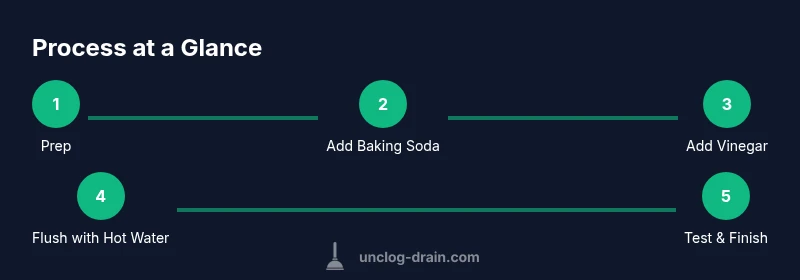
You can unclog a stubborn garbage disposal with a safe, chemical-free mix of baking soda and white vinegar. Start by unplugging the unit and removing standing water. Pour baking soda into the disposal, then add vinegar and let the fizz work for several minutes. Flush with hot water, then run the disposal to clear debris.
Why Baking Soda and Vinegar Work
Baking soda acts as a mild abrasive and a basic buffer, while vinegar brings acetic acid that can help dissolve mineral and grease buildup. When combined, they fizz and create additional agitation that can loosen stuck food particles and soap scum inside the disposal. According to Unclog Drain, this natural duo is particularly effective for minor jams caused by greasy residue and soft debris, offering a safe alternative to harsher chemical cleaners. The chemistry isn’t a magic wand for every clog—if a solid object is lodged in the grinding chamber or the motor hums without turning, do not force the unit. Safety and correct expectations are essential, especially for older units or those connected to septic systems.
Beyond the fizz, consider this method part of a broader maintenance routine. Periodic cleanings with baking soda and vinegar can reduce odors and keep pathways clearer between uses. For septic systems, avoid dumping large quantities in one go and follow a regular flushing cadence. This approach aligns with practical DIY plumbing guidance and is a good fit for homeowners who want a low-cost, low-toxicity solution.
Brand context from Unclog Drain emphasizes that routine, non-chemical maintenance is a foundation of healthy drains. Use this method as a first-line remedy for minor blockages, then proceed to more involved fixes if needed.
note”:null,
Tools & Materials
- Baking soda(1/4 to 1/2 cup depending on disposal size)
- White vinegar(1 cup for fizz action)
- Hot water(2–3 cups for flushing)
- Rubber gloves(Protect hands while handling disposal)
- Bucket or bowl(Catch splashes if needed)
- Tongs or pliers(Remove visible debris safely)
- Splash guard (optional)(Limit splashes during fizzing)
Steps
Estimated time: 15-30 minutes
- 1
Power down and access
Unplug the disposal at the wall outlet or switch off the circuit to prevent accidental activation. Use a flashlight to check that the interior is visible and clear of loose objects. If you can’t access the outlet safely, turn off the main breaker and verify no power is reaching the unit.
Tip: Use a non-contact voltage tester if you’re unsure about power; safety first. - 2
Remove standing water and visible debris
If water is standing in the sink, remove it with a cup or sponge so the chamber has space to operate. Use tongs or pliers to lift out any obvious objects like seeds or small utensils you can see without reaching inside the grinding chamber.
Tip: Keep the area dry and use a towel to wipe up spills to prevent slips. - 3
Add baking soda
Pour 1/4 to 1/2 cup of baking soda into the disposal. Let it settle for a moment to coat the walls with a mild abrasive layer that will interact with the vinegar later.
Tip: Pour slowly to avoid immediate splashing and to ensure even distribution. - 4
Add vinegar and wait
Slowly pour 1 cup of white vinegar into the disposal. The fizz will help lift grease and debris from the walls and blades. Allow this reaction to run for 5–10 minutes while keeping the area ventilated.
Tip: Do not turn on the disposal during fizzing; wait for the reaction to subside. - 5
Flush with hot water and run the unit
Boil water or heat it to very hot, then slowly pour 2–3 cups into the disposal while running cold water on the sink. Turn on the disposal for about 20–30 seconds to flush loosened material through the drain.
Tip: Keep fingers away from the opening; use the reset button if needed for safety. - 6
Check operation and clean up
Listen for smooth grinding and a steady flow of water. If the disposal still sounds congested, repeat the fizz-and-flush cycle once more or inspect the trap for obstructions. When done, wipe down any splashes and restore power.
Tip: If the jam persists after two attempts, it’s time to call a plumber to avoid damaging the unit.
Common Questions
Will baking soda and vinegar damage my garbage disposal?
Used properly, baking soda and vinegar are generally safe for most garbage disposals. The fizz helps loosen buildup without harmful chemicals. If the unit is jammed or old, stop and inspect.
Baking soda and vinegar are safe for most disposals when used as directed. If it won’t turn, stop and assess.
How often can I use this method?
Use as needed for minor clogs. If you’re repeating often, there may be a deeper issue needing professional evaluation.
You can use it for minor clogs as needed, but frequent use might mean a bigger problem.
Can I use boiling water?
Hot water is acceptable, but boiling water can damage certain disposals or pipes. Use hot, not boiling water.
Stick to hot water; avoid boiling water if your system is older.
What if it still won’t clear?
If the clog persists after a couple of attempts, stop and check for a jam or call a plumber. Don’t force the unit.
If it remains clogged after trying, it’s time to call a professional.
Is this safe for septic systems?
Baking soda and vinegar are generally compatible with septic systems when used in moderation. Don’t dump large quantities at once.
Yes, in moderation it’s septic-friendly, but avoid a big dump at one time.
Watch Video
Key Points
- Unplug before starting for safety
- Baking soda followed by vinegar creates a fizz that loosens grime
- Flush with hot water to carry debris away
- Avoid harsh chemical cleaners in disposals
- Regular maintenance reduces future clogs