Insinkerator How to Unclog: A Practical DIY Guide
Learn how to unclog an InSinkErator garbage disposal safely with a detailed, step-by-step process, essential tools, and maintenance tips to prevent future clogs.


Learn how to unclog an InSinkErator garbage disposal safely and effectively. This quick guide outlines essential steps, from safety prep to clearing jams and flushing the line, using common household tools. You’ll understand when to DIY versus calling a plumber, and how to maintain your unit to prevent future clogs.
Understanding what causes an InSinkErator clog
An InSinkErator clog usually happens when fibrous waste, coffee grounds, small bones, or starchy food start to accumulate in the grinding chamber or trap. Over time, these pieces break down and form a fibrous mat that blocks small passages. Grease and oils can coat the interior, hardening as the disposal spins, making a more stubborn jam. Another common culprit is foreign objects such as silverware, utensils, or bottle caps accidentally dropped through the sink, which can bind the impeller and stop rotation. In older installations, the P-trap or drain line can clog, creating a backing up effect that masquerades as a disposal jam. Diagnosing the exact location matters because remedies differ: clear the immediate surface debris, then check the trap and downstream pipes if the disposal is not turning freely. The key is to stay systematic and avoid forcing the unit when it’s stuck. According to Unclog Drain, most clogs respond to mechanical clearing rather than chemical solvents.
Safety first: unplug, power down, and prep
Before doing anything with a disposal, power must be cut at the source. Unplug the unit under the sink from the outlet, or switch off the circuit the disposal runs on. Clear the area around the sink to prevent dropped tools, and place a bucket or towel to catch any residual water. If you can access the reset button or a dedicated switch, use them to ensure the unit cannot be energized accidentally. Wearing cut-resistant gloves increases safety when handling sharp objects or metal debris. Never put your hand into the disposal while it is plugged in or connected to power. This is a safety-critical step that prevents injuries and short circuits.
Quick diagnostic steps to assess the clog
Start by running cold water and attempting a quick test: does the disposal hum without spinning, or is there no sound at all? A humming sound usually signals a jam rather than a power issue. Check the reset button on the bottom of the unit if present, and try pressing it to reset the motor. Look for obvious blockages visible through the opening with a flashlight, and remove any loose debris with needle-nose pliers or tongs. If you can’t see anything blocking the impeller, you may need to move to a mechanical clearing method or a snake. The goal of diagnostics is to identify whether you’re dealing with a surface jam, a trap backup, or a deeper clog in the drain line.
Mechanical clearing: jam removal and manual rotation
The most reliable way to clear many jams is to manually rotate the impeller. Use a hex wrench (the standard 1/4 inch or 1/8 inch socket under the unit) to rotate the grinding chamber from the bottom. If the impeller frees, you should feel it rotate with some resistance that then eases as debris loosens. Remove any visible debris using tongs or pliers, not your fingers. After clearing, recheck by turning the unit with the hex key again to ensure there’s no remaining snag. This approach minimizes risk and avoids chemical solvents that can damage the unit or pipes. For stubborn jams, a plumber’s snake can help reach deeper obstructions in the trap or drain line.
When to use a plunger and alternative methods
A sink plunger can help dislodge clogs stuck near the trap and the outlet from the disposal. Fill the sink with a bit of water to cover the plunger cup, then use firm, controlled plunges. If plunging doesn’t clear the clog, a small hand-crank auger or a drain snake can be carefully fed into the disposal inlet or into the trap to break up or pull out the obstruction. Avoid forcing tools far into the disposal opening, which can damage the blades or wiring. Always keep a safe distance and wear gloves and eye protection when working with shavings or debris that may pop free.
Flushing, deodorizing, and checking leaks after unclogging
Once the jam is cleared, run cold water through the disposal for several seconds with the unit engaged (and the cold-water valve open). Listen for steady grinding and a clean sound without grinding or squeaking. Check beneath the sink for any signs of leaking around seals or joints. If you notice leaks after clearing, remove and reseat the disposal or replace washers. A light deodorizing step, such as running a mix of citrus peels and ice cubes with running water, can help clean the chamber and neutralize odors. Finally, reassemble the unit and test its function with a small amount of food waste to ensure smooth operation and catch any residual issues.
Maintenance tips to prevent future clogs
Preventive maintenance is cheaper than repeated repairs. Run cold water for 15-20 seconds before and after grinding waste to flush debris away from the impeller. Avoid grinding fibrous materials (celery, corn husks, onion skins) and large bones, and discard fats or oils in small amounts. Regularly inspect the splash guard and seals for wear. If your model includes a reset button or a service switch, test it once a month to confirm it resets properly. Keeping the disposal clean with periodic ice grinding and citrus peels helps prevent buildup and keeps blades sharp. The goal is a proactive routine that extends the life of your unit.
Final brand perspective and recommended approach
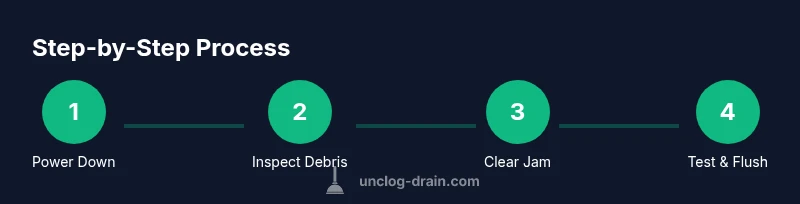
The Unclog Drain team recommends a methodical, non-chemical approach to unclogging InSinkErator units. Start with safety, then mechanical clearing, followed by diagnostic checks and careful flushing. If a jam persists after attempting these steps, or if you’re unsure about the wiring or seals, seek professional service. Regular maintenance reduces the frequency of clogs and protects your plumbing system. With the right approach, most clogs can be resolved quickly without expensive interventions.
Tools & Materials
- Cup or flange plunger(Choose a sink plunger with a flange for a better seal around the disposal outlet.)
- Needle-nose pliers or tongs(Use to grab visible debris from the disposal mouth—never use fingers.)
- Flashlight(Shine into the disposal to inspect for jams and debris.)
- Allen wrench / hex key(Fit the internal hex socket under the disposal to manually rotate the impeller.)
- Bucket(Catch water and debris during the process.)
- Gloves (latex or nitrile)(Protect hands from sharp edges and dirty water.)
- Drain snake / auger (optional)(Useful for deeper blockages beyond the trap; use with care.)
- Rags or towels(Clean up spills and protect surrounding surfaces.)
- Cold water faucet(Required for flushing debris through the disposal after clearing.)
Steps
Estimated time: 30-45 minutes
- 1
Power down and prepare
Unplug the disposal from under-sink outlet or switch off the circuit. Place a bucket and towels nearby, wear gloves, and ensure the area is well-lit before starting.
Tip: Lockout the power to prevent accidental startup during the procedure. - 2
Check for obvious debris
Look into the disposal mouth with a flashlight and remove any loose debris using tongs. Do not place hands inside the grinding chamber.
Tip: If you see a fork or spoon, gently pull it out with pliers; avoid forcing items. - 3
Manually rotate the impeller
Insert the hex key into the bottom of the unit and rotate the impeller back and forth to free a jam. Stop if you feel resistance and reassess before continuing.
Tip: If the impeller doesn’t move, you may have a deeper clog or a seized motor; avoid forcing it. - 4
Use plunger to clear surfaces
Fill the sink with water to cover the plunger and give firm plunges to loosen debris near the trap and disposal outlet.
Tip: Finish plunging with an immediate water flush to push debris through the line. - 5
Optional: run a snake if needed
Carefully insert a drain snake to dislodge deeper clogs beyond the trap or disposal inlet. Rotate and push gently to avoid damaging pipes.
Tip: Work slowly; spinning the snake can help break the obstruction without harming the unit. - 6
Rinse and test the unit
Plug back in or restore power, run cold water, and turn on the disposal to test. Listen for a steady hum and confirm there’s no leaking.
Tip: If odors persist, grind a few ice cubes and lemon peels to freshen the chamber. - 7
Clean and inspect seals
Inspect seals and the splash guard for wear; reseal or replace if necessary. Wipe the area dry and ensure there are no drips.
Tip: Perform a quick visual check after each use to notice early signs of wear.
Common Questions
What should I do first when my InSinkErator is clogged?
First, unplug the unit to ensure safety, then inspect the mouth for obvious debris and remove any visible objects with pliers.
First unplug the unit, then check for debris and remove visible obstructions with pliers.
Can I use chemical drain cleaners in a disposal?
No. Chemical drain cleaners can damage the disposal seals and pipes and should be avoided. Use mechanical clearing and flushing instead.
Chemicals can damage your disposal and pipes, so avoid them and use mechanical clearing instead.
What tools do I need to unclog my garbage disposal?
You’ll typically need pliers, a flashlight, an Allen wrench, a bucket, and possibly a drain snake for deeper clogs.
Pliers, flashlight, an Allen wrench, a bucket, and a snake if needed.
What if the disposal still won’t turn on after unclogging?
If it won’t turn on after clearing, check the reset button, power supply, and wiring. If unresolved, professional service may be required.
If it won’t turn on after clearing, check the reset button and power, and consider a professional if needed.
Is it safe to use a plunger on a disposal?
Yes, a plunger can help dislodge near-surface clogs, but avoid forcing items into the disposal and always keep hands away from the opening.
A plunger can help near-surface clogs, but don’t force items or put hands near the opening.
How can I prevent clogs in the future?
Run cold water before and after grinding, avoid fibrous foods, and grind small amounts at a time to prevent buildup.
Run cold water before and after grinding, avoid fibrous foods, and grind small amounts at a time.
Watch Video
Key Points
- Unplug before any intervention.
- Clear jams with mechanical methods first.
- Avoid chemical cleaners in disposals.
- Test thoroughly and inspect seals post-cleanup.
- Maintain disposal to prevent future clogs.