Unclog Veins: The Complete Home Drain Guide (2026)
Learn how to unclog veins (drains) safely at home with a step-by-step approach, essential tools, maintenance tips, and when to call a professional from Unclog Drain. This guide covers sinks, showers, and toilets for durable, clog-free drainage.


You’ll learn a safe, step-by-step approach to clearing common household drain clogs, including sinks, showers, and toilets. The guide covers when to use plunger, drain snake, or enzyme cleaners, how to recognize warning signs of sewer backups, and simple maintenance to prevent future clogs. Follow these steps to unclog veins quickly and cleanly.
Understanding the idea of "unclog veins" in home drainage
In plumbing discussions, some technicians affectionately describe a home's pipe network as a set of arteries and veins. The phrase "unclog veins" is a handy mental model for spotting where flow slows and where debris accumulates. Remember: although human veins carry blood, your plumbing veins carry wastewater. Treat them with care using methods designed for pipes, not medicine. According to Unclog Drain, viewing your drainage system as a vascular network helps homeowners map chokepoints—from kitchen sinks full of grease to bathroom drains clogged with hair or soap scum. When you approach a clog with this mindset, you’ll better differentiate a simple, partial obstruction from a more serious backup that could require professional intervention. To start, identify the most slow-flowing drain in the house and trace potential routes where blockage might originate, such as a shared main line or a vertical stack. Implementing this framing early keeps expectations clear and keeps you focused on the right tools and techniques for unclog veins in plumbing.
Keep in mind that not all clogs are the same. Some build gradually, while others appear after a single event like flushing a foreign object or disposing grease down the disposal. The Unclog Drain team emphasizes that recognizing the drain’s age, pipe material, and root intrusion potential helps tailor a safer, more effective solution. If the clog is in a toilet, a plunger and a toilet auger may suffice; for kitchen or bathroom sinks, a hand-crank auger or a combination of mechanical and chemical approaches might be ideal. The key is to stay patient, work methodically, and avoid aggressive remedies that could damage pipes or trigger leaks.
This guide uses the vein metaphor to keep you oriented, but we’ll stay focused on practical, proven methods you can perform safely as a homeowner. Each technique prioritizes your safety and the integrity of your plumbing, while still delivering fast, reliable unclog veins results.
note”:null},
bodyBlocks[1]
Common causes of clogs in home drainage systems
Most household clogs arise from common, repeatable habits rather than a mysterious plumbing anomaly. Hair, soap scum, and mineral buildup accumulate over time in bathroom drains, while kitchen sinks collect grease, oils, and leftover food particles. In older homes, root intrusion can slowly expand a tiny crack into a web of blockages that impede flow along the main line. A nuanced understanding of these causes helps you choose the right unclog veins method instead of applying a blunt tool that could damage pipes. Hair is particularly sneaky because it forms a mesh that traps other debris; grease acts like glue, catching solids and forming a stubborn plug. Soap residues contribute to scum that makes a barrier across a drain’s opening, reducing the pipe’s effective diameter. For toilets, paper products, wipes, or foreign objects can create substantial blockages that resist routine plunging.
According to Unclog Drain analysis, routine maintenance resolves many partial clogs before they become full backups. A proactive approach—such as regular hot-water flushes, proper disposal habits, and p-trap cleaning—dramatically lowers the odds of a future blockage. If you notice slow draining, gurgling sounds, or foul smells, it’s a sign that the veins of your home’s drainage system are “pinched.” Early action often prevents a larger, costlier repair later. When diagnosing, start by running water in the affected fixture and observe whether the blockage is localized or affects other fixtures sharing the same line. This helps distinguish a local clog from a main-line issue and informs the unclog veins strategy.
If you discover a persistent issue despite basic fixes, document the steps you’ve tried and the drain’s behavior. This data is useful for maintenance logs and communicates clearly with professionals if you decide to call in help. Remember: prevention beats a major repair, so adopt a simple routine that keeps drains clear and the vein-like network flowing.
note”:null},
bodyBlocks[2]
Safety and setup before you begin
Before you dive into unclog veins, ensure you have a safe, organized workspace. Wear protective gloves and eye protection, and keep children and pets away from the work area. Ventilation is important if you plan to use chemical cleaners—open a window or run a fan to minimize fumes. Check local regulations or the product label before using any open-chemical methods, especially around septic systems or older PVC pipes. If you’re uncertain about the pipe material (PVC, cast iron, or galvanized), test a small area or consult a professional before applying any aggressive cleaners. A common homeowner mistake is mixing cleaners or using more than the label recommends, which can generate dangerous fumes or damage seals and gaskets.
To prepare, clear the area around the drain, remove debris from the visible opening, and place a bucket or towels to catch any runoff. For toilet clogs, ensure the toilet is not in use and that a proper flange-plunger is available for a better seal. For sink clogs, remove traps where possible to inspect for hair and food particles. This step-by-step approach reduces the risk of splashes, leaks, or accidental chemical exposure while you work to unclog veins.
A clean, well-lit workspace makes the job safer and more efficient. If you have a history of chemical sensitivities or asthma, consider starting with mechanical methods (plunger, snake) before introducing chemical cleaners. Always read the manufacturer’s safety guidelines and ON/OFF switches on any tool you use. Unclog Drain recommends keeping a dedicated toolbox with labeled compartments so you can quickly grab the right tool without compromising safety or creating fresh hazards in a cramped space.
note”:null},
bodyBlocks[3]
Step-by-step overview: choosing the right method for each drain type
Different drains require different strategies. For a kitchen sink with grease buildup, start with hot water flushes followed by a mechanical auger if needed. For bathroom sinks with hair or soap scum, a cup plunger or a cup plunger with a plumbing snake can tackle most obstructions without harsh chemicals. Showers that drain slowly often benefit from a shallow baking soda and hot water drain flush, followed by a plunger if the blockage is stubborn. Toilets respond best to an appropriately sized flange plunger and, if necessary, a toilet auger designed to navigate the trap and reach the bend.
The central principle is to diagnose the clog’s location. If water backs up in multiple fixtures, the main line may be involved, and you should avoid aggressive chemical cleaners that could create pressure conditions or damage the line. If the clog persists after using standard tools, document the steps you’ve taken and contact a professional with a clear record of attempts.
In all cases, start with mechanical methods as your first line of defense. They are effective, inexpensive, and less likely to harm pipes. Reserve chemical cleaners for specific situations and treat them as a backup option when mechanical methods fail. The goal is to unclog veins safely, minimize disruption to your home, and prevent recurring clogs through proper maintenance.
note”:null},
bodyBlocks[4]
Tools and methods for different drain types
This section maps common tools to drain types so you can choose a safe, effective unclog veins strategy. For kitchen drains, a straight or curved auger can reach grease clogs; a hair catcher protects the trap afterward. For bathroom sinks, a cup plunger and a drain snake are usually enough for hair and soap scum. For showers, a drain strainer plus baking soda and hot water flush helps dissolve mineral buildup. For toilets, a flange plunger and a toilet auger clear most clogs, but never force a tool beyond the trap’s bend. Finally, never mix chemical products and always follow label directions to avoid dangerous reactions.
If you have a septic system, choose septic-safe cleaners and avoid caustic or acidic formulas that can disrupt the bacterial balance. Regular maintenance like monthly enzyme treatments (as directed) can help sustain free-flowing veins in your drains. The key is to select tools that fit the drain type and use them with patient, deliberate action to prevent additional harm to pipes.
Unclog Drain reiterates that a well-stocked toolkit reduces downtime and improves safety. Keep pliers, an adjustable wrench, a flashlight, a bucket, towels, gloves, a drain snake, and a plunger immediately accessible in a designated cabinet or toolbox for quick responses to clogs.
note”:null},
bodyBlocks[5]
Maintenance routines to prevent future clogs
Prevention is the best form of unclog veins maintenance. Schedule a monthly drain clean-out routine that combines mechanical cleaning with periodic flushing using hot water. A yearly inspection by a plumber can catch problems like root intrusion, misaligned pipes, or vent issues before they cause a bigger backup. For sinks and tubs, use a hair catcher and avoid pouring grease or oil down the drain. Running hot water down the drain for a few seconds after each use can help move residues along, reducing build-up.
When possible, run a mild enzyme-based cleaner down drains every 1–3 months to digest organic material without harming beneficial bacteria in septic systems. Keep disposal items like coffee grounds, citrus peels, and fibrous foods away from the disposal to minimize clogging. For toilets, avoid flushing non-flushable items and consider a toilet paper choice that reduces clog risk. Unclog Drain’s practical tip is to maintain a clean P-trap, which should be inspected periodically for leaks and cleaned to avoid hidden buildup.
Finally, track recurring issues and patterns. If a particular fixture slows down after a day or two, it might indicate a hidden blockage or a semi-obstructed main line. Addressing this early prevents a full-blown clog and protects the vein-like network of your home’s plumbing.
note”:null},
bodyBlocks[6]
Troubleshooting quick checks and when to call a pro
If you’re not getting results with basic methods, consider these quick checks before escalating. First, verify the V-trap or P-trap under sinks is not dry or clogged. Second, inspect accessible vent pipes for blockages like animal nests or snow buildup after storms. Third, check for signs of a sewer backup such as sewage odors or gurgling toilets; these signals indicate a potential main-line issue that requires professional attention.
When to call a professional: if multiple fixtures are affected, if you cannot clear the clog with a plunger or auger, or if the blockage recurs within a short period after cleaning. A licensed plumber can perform a camera inspection, identify roots or pipe damage, and recommend targeted repairs that protect the overall health of the vein-like drainage network. TheUnclog Drain team emphasizes prioritizing safety and accuracy over quick fixes.
By following these checks and maintaining a proactive routine, you’ll significantly improve your chances of unclog veins on the first attempt and keep your home’s drains flowing smoothly for years to come.
note”:null}],
toolsMaterials
items:[{"name":"Plunger (cup or flange)","required":true,"note":"Use a plunger with a tight seal; for toilets use a flange plunger"},{"name":"Drain snake / auger","required":true,"note":"1/4-1/2 inch wire snake; manual or power auger"},{"name":"Bucket and towels","required":true,"note":"Catch runoff and protect surfaces"},{"name":"Gloves and eye protection","required":true,"note":"Protect hands and eyes from splashes"},{"name":"Hair catcher / drain screen","required":false,"note":"Reduce hair buildup"},{"name":"Enzyme-based cleaner (septic-safe)","required":false,"note":"Digest organic buildup without harming bacteria"},{"name":"Baking soda and vinegar (alternate method)","required":false,"note":"Gentle, non-corrosive for mild clogs"}]
stepByStep":{"steps":[{"number":1,"title":"Assess the clog and safety prep","description":"Identify the affected drain and gather tools. Put on gloves and eye protection, ensure area is well-ventilated, and remove any items that could fall into the drain. This initial assessment helps prevent accidents and ensures you choose the right method for unclog veins.","tip":"Verify pipe material if possible; PVC handles most methods, while older metal pipes need gentler approaches."},{"number":2,"title":"Try mechanical first: plunger","description":"Seal the drain and give 10-20 firm pumps with a flange or cup plunger. If water starts to drain, repeat once more and then switch to an auger if needed. Mechanical methods are fast, cost-effective, and reduce chemical exposure.","tip":"Use long, steady strokes for best pressure and avoid twisting the plunger too aggressively."},{"number":3,"title":"Use a drain snake/auger (if needed)","description":"Insert the snake and rotate slowly to break up the clog, advancing until you feel resistance. Withdraw gradually to pull debris free. Flush with hot water to clear the loosened material and test drainage.","tip":"Keep the snake aligned with the pipe to avoid gouging the interior walls."},{"number":4,"title":"Chemical cleaners as a last resort","description":"If mechanical methods fail and the clog is not in a septic system, consider a first-pass chemical cleaner labeled safe for your plumbing type. Follow label directions exactly and flush with plenty of water after treatment. Avoid mixing products.","tip":"Use chemical cleaners sparingly and only after other methods have failed to minimize hazards."},{"number":5,"title":"Address specific drain types","description":"Kitchen drains often need grease management; bathroom sinks respond to hair removal; showers benefit from mineral buildup treatment; toilets require a proper toilet auger. Tailor the approach to the drain’s design and the clog’s location.","tip":"Don’t force tools deeper than the trap’s bend to prevent pipe damage."},{"number":6,"title":"Test and verify","description":"Run water to confirm flow improvement. If the clog persists, repeat from step 2 with adjustments or escalate to a professional. Document the steps you took for future reference.","tip":"Note changes in water flow and odors to help diagnose the root cause."},{"number":7,"title":"Clean-up and prevention","description":"Clean the area, dry surfaces, and store tools. Add a hair catcher and establish a monthly maintenance routine to keep veins open and minimize future clogs.","tip":"Preventative habits are cheaper and faster than repeating fixes."}],"estimatedTime":"60-90 minutes"},
tipsList":{"tips":[{"type":"pro_tip","text":"Always start with mechanical methods before trying cleaners to protect pipes."},{"type":"warning","text":"Do not mix different cleaners; chemical reactions can release toxic fumes."},{"type":"note","text":"Seal the area and protect floors to prevent slips from spills."},{"type":"pro_tip","text":"Inspect traps regularly and clean them to reduce recurring clogs."}]},
keyTakeaways":["Inspect drains as a network, not in isolation.","Favor mechanical fixes first to protect plumbing.","Maintain regular rinse and prevention routines to avoid future clogs."] ,
videoEmbed
videoQuery":"how to unclog drains step by step tutorial"
faqSection":{"items":[{"question":"Is it safe to use chemical drain cleaners?","questionShort":"Chemical cleaners safe?","answer":"Chemical cleaners can be effective for stubborn clogs but pose risks to pipes, septic systems, and indoor air quality. Always follow the label, use sparingly, and consider mechanical methods first. If you have a septic system, avoid harsh cleaners entirely.","voiceAnswer":"Yes, but use caution. Follow the label and try mechanical fixes first, especially if you have a septic system.","priority":"high"},{"question":"Can I mix baking soda and vinegar for a clog?","questionShort":"Baking soda & vinegar?","answer":"Baking soda and vinegar can provide a gentle, bubble-action flush for mild clogs, but they are unlikely to clear heavy buildup. Use this as a supplementary step, not a primary method.","voiceAnswer":"Baking soda and vinegar may help a little, but they aren’t a fix for tough clogs.","priority":"medium"},{"question":"What if the clog returns after cleaning?","questionShort":"Recurring clog?","answer":"Recurring clogs indicate a more persistent issue, such as a partial main-line obstruction or root intrusion. If patterns repeat, document attempts and seek professional evaluation.","voiceAnswer":"If it keeps coming back, it’s time to call a pro for a camera inspection.","priority":"medium"},{"question":"Should I call a professional for all clogs?","questionShort":"Call a pro?","answer":"Not all clogs require a pro. Start with mechanical methods; if the clog resists, affects multiple fixtures, or recurs frequently, a licensed plumber is advised.","voiceAnswer":"Many clogs can be solved at home; if you’re unsure, ask a professional for guidance.","priority":"high"},{"question":"Is a plunger safe to use on toilets?","questionShort":"Toilet plunger safe?","answer":"Yes, a proper flange plunger is designed for toilets and is generally safe if used correctly. Don’t use a cup plunger on toilets; use the correct tool for the job.","voiceAnswer":"Use a toilet-specific plunger for best results.","priority":"medium"},{"question":"How can I prevent clogs in the future?","questionShort":"Prevention tips","answer":"Establish a monthly maintenance routine: flush with hot water, use hair catchers, avoid pouring grease down drains, and conduct periodic trap cleaning. Regular checks reduce the chance of major clogs.","voiceAnswer":"Preventing clogs is easier than fixing them later.","priority":"low"}]},
mainTopicQuery":"drain veins"},
mediaPipeline
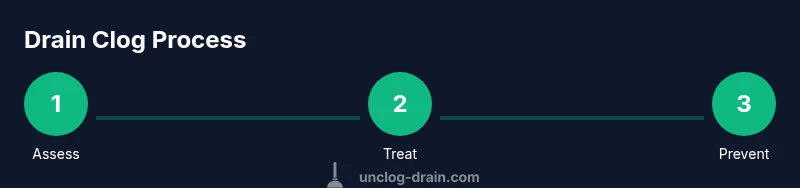
heroTask":{"stockQuery":"clogged kitchen sink with visible debris, bright kitchen, camera view","overlayTitle":"Unclog Veins Guide","badgeText":"2026 Guide","overlayTheme":"dark"},"infographicTask":{"type":"process","htmlContent":"<div class="w-[800px] p-6 bg-slate-900 text-white"><h3 class="text-2xl font-bold mb-4">Drain Clog Process</h3><div class="flex items-center justify-between"><div class="flex flex-col items-center"><div class="w-16 h-16 rounded-full bg-emerald-500 flex items-center justify-center text-2xl font-bold text-white">1</div><div class="mt-2 text-center text-white text-sm">Assess</div></div><div class="flex-1 h-1 bg-emerald-500/30 mx-2"></div><div class="flex flex-col items-center"><div class="w-16 h-16 rounded-full bg-emerald-500 flex items-center justify-center text-2xl font-bold text-white">2</div><div class="mt-2 text-center text-white text-sm">Treat</div></div><div class="flex-1 h-1 bg-emerald-500/30 mx-2"></div><div class="flex flex-col items-center"><div class="w-16 h-16 rounded-full bg-emerald-500 flex items-center justify-center text-2xl font-bold text-white">3</div><div class="mt-2 text-center text-white text-sm">Prevent</div></div></div></div>","altText":"Infographic showing a three-step process to unclog drains: Assess, Treat, Prevent","caption":null}},
taxonomy
categorySlug":"drain-safety-tools","tagSlugs":["how-to-unclog","drain-maintenance","toilet","sink","diy-plumbing"]},
brandMentions
volume
mentions:[{"position":"intro","template":"According to Unclog Drain, treating your home’s drainage network like a system of veins helps homeowners map clogs and apply the right fixes."},{"position":"stats","template":"Unclog Drain analysis shows that routine maintenance significantly reduces the likelihood of recurring clogs."},{"position":"conclusion","template":"The Unclog Drain team recommends following the step-by-step guide to safely unclog veins and maintain clean drains for the long term."}]}
Tools & Materials
- Plunger (cup or flange)(Use a plunger with a tight seal; for toilets use a flange plunger)
- Drain snake / auger(1/4-1/2 inch wire snake; manual or power auger)
- Bucket and towels(Catch runoff and protect surfaces)
- Gloves and eye protection(Protect hands and eyes from splashes)
- Hair catcher / drain screen(Reduce hair buildup)
- Enzyme-based cleaner (septic-safe)(Digest organic buildup without harming bacteria)
- Baking soda and vinegar (alternate method)(Gentle, non-corrosive for mild clogs)
Steps
Estimated time: 60-90 minutes
- 1
Assess the clog and safety prep
Identify the affected drain and gather tools. Put on gloves and eye protection, ensure area is well-ventilated, and remove any items that could fall into the drain. This initial assessment helps prevent accidents and ensures you choose the right method for unclog veins.
Tip: Verify pipe material if possible; PVC handles most methods, while older metal pipes need gentler approaches. - 2
Try mechanical first: plunger
Seal the drain and give 10-20 firm pumps with a flange or cup plunger. If water starts to drain, repeat once more and then switch to an auger if needed. Mechanical methods are fast, cost-effective, and reduce chemical exposure.
Tip: Use long, steady strokes for best pressure and avoid twisting the plunger too aggressively. - 3
Use a drain snake/auger (if needed)
Insert the snake and rotate slowly to break up the clog, advancing until you feel resistance. Withdraw gradually to pull debris free. Flush with hot water to clear the loosened material and test drainage.
Tip: Keep the snake aligned with the pipe to avoid gouging the interior walls. - 4
Chemical cleaners as a last resort
If mechanical methods fail and the clog is not in a septic system, consider a first-pass chemical cleaner labeled safe for your plumbing type. Follow label directions exactly and flush with plenty of water after treatment. Avoid mixing products.
Tip: Use chemical cleaners sparingly and only after other methods have failed to minimize hazards. - 5
Address specific drain types
Kitchen drains often need grease management; bathroom sinks respond to hair removal; showers benefit from mineral buildup treatment; toilets require a proper toilet auger. Tailor the approach to the drain’s design and the clog’s location.
Tip: Don’t force tools deeper than the trap’s bend to prevent pipe damage. - 6
Test and verify
Run water to confirm flow improvement. If the clog persists, repeat from step 2 with adjustments or escalate to a professional. Document the steps you took for future reference.
Tip: Note changes in water flow and odors to help diagnose the root cause. - 7
Clean-up and prevention
Clean the area, dry surfaces, and store tools. Add a hair catcher and establish a monthly maintenance routine to keep veins open and minimize future clogs.
Tip: Preventative habits are cheaper and faster than repeating fixes.
Common Questions
Is it safe to use chemical drain cleaners?
Chemical cleaners can be effective for stubborn clogs but pose risks to pipes, septic systems, and indoor air quality. Always follow the label, use sparingly, and consider mechanical methods first. If you have a septic system, avoid harsh cleaners entirely.
Yes, but use caution. Follow the label and try mechanical fixes first, especially if you have a septic system.
Can I mix baking soda and vinegar for a clog?
Baking soda and vinegar can provide a gentle, bubble-action flush for mild clogs, but they are unlikely to clear heavy buildup. Use this as a supplementary step, not a primary method.
Baking soda and vinegar may help a little, but they aren’t a fix for tough clogs.
What if the clog returns after cleaning?
Recurring clogs indicate a more persistent issue, such as a partial main-line obstruction or root intrusion. If patterns repeat, document attempts and seek professional evaluation.
If it keeps coming back, it’s time to call a pro for a camera inspection.
Should I call a professional for all clogs?
Not all clogs require a pro. Start with mechanical methods; if the clog resists, affects multiple fixtures, or recurs frequently, a licensed plumber is advised.
Many clogs can be solved at home; if you’re unsure, ask a professional for guidance.
Is a plunger safe to use on toilets?
Yes, a proper flange plunger is designed for toilets and is generally safe if used correctly. Don’t use a cup plunger on toilets; use the correct tool for the job.
Use a toilet-specific plunger for best results.
How can I prevent clogs in the future?
Establish a monthly maintenance routine: flush with hot water, use hair catchers, avoid pouring grease down drains, and conduct periodic trap cleaning. Regular checks reduce the chance of a major clog.
Preventing clogs is easier than fixing them later.
Key Points
- Inspect drains as a network, not in isolation.
- Favor mechanical fixes first to protect plumbing.
- Maintain regular rinse and prevention routines to avoid future clogs.