Best to Unclog Drains: A Complete DIY Guide
Learn safe, proven DIY methods to unclog drains fast. This guide covers plungers, snakes, baking soda-vinegar, enzymatic cleaners, and maintenance tips to prevent future clogs.


By the end of this guide, you’ll be able to unclog most residential drains using safe, proven methods. Start with a simple plunger, then try a drain snake, and flush with baking soda and hot water. For stubborn clogs, enzymatic cleaners or professional tools may be needed. Prevention tips help keep drains flowing smoothly.
Understanding Why Drains Clog
Clogs happen when everyday debris accumulates and forms a barrier that slows or stops flow. In bathrooms, hair, soap scum, and mineral buildup are common culprits. In kitchens, grease, food scraps, and starches can bind with soap to form a stubborn mass. Unclog Drain notes that most residential clogs are preventable with regular maintenance and mindful disposal habits. Environmental factors, like hard water and older pipes, can worsen buildup over time. Recognize the signs early: slow drainage, gurgling sounds, or a lingering odor. Taking a proactive approach—routine cleaning, and avoiding the disposal of fats or large food particles down the drain—reduces the chance of future blockages. The goal is to keep your piping clear without harming pipes or septic systems, using methods that are safe for households and the environment. Remember, prevention is cheaper and faster than remediation.
Quick Diagnosis: Is It a Clog or a Sewer Backup?
Before you start any fix, determine if the issue is a local clog or a potential sewer backup. If multiple fixtures drain slowly or emit foul odors, you may be facing a main sewer problem. A single sink or tub is more likely a localized clog. Check the vent stack for blockages (birds, leaves, or debris can restrict air flow and worsen backups). If you notice sewage backflow in other fixtures, avoid flushing and call a licensed professional promptly. For safety and health, never use a device that forces sewage into living spaces. Quick, careful assessment saves time and reduces messy outcomes.
Safe, Effective Core Techniques to Unclog Drains
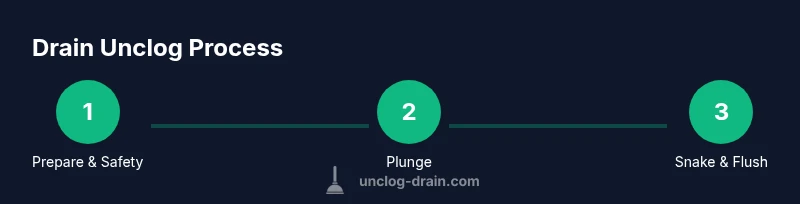
A solid plan combines low-risk methods first and escalates only if needed. Start with a plunger to dislodge the blockage, then move to a drain snake or auger to reach deeper. Baking soda and hot water can help clear mild buildups, while enzymatic cleaners offer a gentler, long-term solution for organic debris. Avoid chemical drain cleaners in septic systems and homes with old or corroded piping. When using a snake, feed the coil slowly and twist slightly to grab the clog, then pull back to remove the material. If the drain remains slow, a combination approach—plunge, then snake, then flush with hot water—often works well. Documented results vary by clog type, so be prepared to adapt and stay patient. Safety should guide every step: gloves, eye protection, and a cautious approach around open traps.
Kitchen Sink Clog: Special Considerations
Kitchen clogs differ from bathroom clogs, often originating from grease and food waste. Never pour hot oil or grease down the drain; let it solidify and dispose of it in the trash. Use a strainer to catch food scraps and routinely run hot water with dish soap to keep grease from binding to the pipes. When a clog is stubborn, a combination of plunging and a flexible snake reaches the clog better in the vertical trap of a kitchen sink. If you must use a commercial cleaner, choose a non-corrosive formula and follow label directions closely to protect pipes and seals. After clearing, run plenty of hot water to flush the line and prevent a quick return of grease.
Bathroom Drain Scenarios: Shower, Tub, and Sink
Bathroom drains present different challenges: hair is the main culprit in showers and sinks, while tub drains often collect hair and soap scum. Start with a plunger designed for sinks or showers, ensuring a snug seal. If that fails, remove the P-trap beneath the sink or the drain cover in the shower to inspect for hair buildup. A drain snake or manual auger reaches the trap and the pipe just beyond, allowing you to physically pull out or cut through the blockage. For recurrent bathroom clogs, consider installing a hair catcher and performing regular flushes with hot water to minimize buildup. Safety notes apply here as well—use gloves and avoid forcing tools into pipes.
Maintenance and Prevention to Keep Drains Flowing
Prevention is the best cure for clogged drains. Establish a routine of monthly or bi-monthly maintenance: clear drain covers, remove hair from bathroom drains, and periodically flush kitchen sinks with hot water and a mild dish soap solution. A baking soda and hot water flush every few weeks can help keep organic buildup in check, especially in weaker pipes. Use screen strainers in all drains to catch hair, food particles, and soap scum before they enter the pipes. If you have a septic system, avoid flushing non-degradable wipes or harsh cleaners that disrupt beneficial bacteria. Schedule periodic professional inspections if you notice slow draining or recurring clogs.
When to Call a Pro and What to Expect
If a clog persists after using multiple at-home methods, or if you suspect a sewer line problem, contact a licensed plumber. A pro can identify root causes, inspect with a camera, and employ tools not available to the average homeowner. Expect a discussion about the scope of the issue, potential costs, and the best course of action to protect your plumbing. For safety, do not attempt risky invasive procedures beyond your experience. A professional assessment saves time, reduces damage, and protects your plumbing system over the long term.
Common Myths vs. Realities
Myth: Chemical drain cleaners are safe for all pipes and septic systems. Reality: These cleaners can corrode pipes and harm septic bacteria; they should be used with caution or avoided. Myth: Boiling water alone will fix all clogs. Reality: Boiling water helps with some greasy clogs and soap scum but may damage PVC pipes if misused. Myth: If plunging doesn’t work, you must replace the entire line. Reality: Many clogs are addressable with tools like plungers and snakes; replacements are only necessary for severe, recurring issues. By understanding what works and what doesn’t, you can select safer, more effective methods for your home.
Summary of Safe Chemical Use and What to Avoid
Safe chemical use means choosing products designed for household drains and scaling your expectations to the type of clog. Avoid mixing cleaners, don’t combine with bleach, and never use them in septic systems unless the label explicitly allows it. Enzymatic cleaners are gentler on pipes and septic systems; they work well over time but require patience. For stubborn clogs, mechanical methods (plunger, snake) are usually safer first steps, with chemical cleaners as a last resort. Always prioritize personal safety and inspect pipes for signs of damage or corrosion before attempting aggressive remedies.
AUTHORITY SOURCES: For further reading and verification, consult:
- https://www.osha.gov
- https://www.epa.gov
- https://www.consumer.ftc.gov/articles/0214-diy-dangers
Tools & Materials
- Plunger (cup or flange type)(Choose a plunger with a good seal; a flange helps in sinks and toilets)
- Drain snake or auger(Hand-crank or drill-powered versions; flexible for tight bends)
- Bucket(To catch water and debris during disassembly)
- Rubber gloves(Protect hands from waste and sharp edges)
- Safety goggles(Eye protection when using cleaners or flushing water)
- Towels or rags(Contain spills and keep the area clean)
- Boiling water(For post-flush rinse (do not use on PVC if very hot) )
- Baking soda(Used in combination with vinegar for mild clogs)
- White vinegar(Causes fizzing that helps dislodge minor buildup)
- Enzymatic drain cleaner(Safer for pipes and septic systems; follow label directions)
Steps
Estimated time: 60-90 minutes
- 1
Prepare area and safety
Clear the area, remove standing water, and put on gloves. Place towels nearby to catch spills. If you’re working under a sink, place a bucket to catch any water that drains from the trap. This step reduces mess and protects you from splashes.
Tip: Have a flashlight handy to inspect the trap and pipe joints before and after the fix. - 2
Plunge the drain
Position the plunger to seal the drain opening and push and pull with steady pressure. Maintain a tight seal and avoid prying or twisting the plunger. Repetition can dislodge the clog at the top of the drain, especially for sink and tub drains.
Tip: If air leaks around the seal, remove the drain cover to improve suction. - 3
Flush with baking soda and vinegar
Pour 1/2 cup of baking soda into the drain followed by 1 cup of white vinegar. Let the fizzing action work for 15-20 minutes, then flush with hot water. This method works best on organic buildup and is safer for pipes than some chemical cleaners.
Tip: Do not mix with chemical drain cleaners; use this method only on non-sealed systems. - 4
Use a drain snake/auger
Carefully insert the snake into the drain and rotate the handle to work the tip through the blockage. When you feel resistance, pull back slightly to trap debris, then remove. Repeat until you break up or pull out the clog.
Tip: Keep the snake straight to avoid damaging the pipe walls; never force beyond the bend. - 5
Check the P-trap and clean
Place a bucket under the trap, unscrew the nuts, and remove the P-trap. Clear out hair and debris, then rinse the trap and reassemble. Run water to test flow and ensure there are no leaks.
Tip: If the trap is corroded or cracked, replace it to prevent future leaks. - 6
Final rinse and prevention
Run hot water through the system to clear any remaining debris. If the clog recurs, consider enzymatic cleaners or schedule a professional inspection for deeper causes. Implement preventative steps like strainers, periodic flushing, and mindful waste disposal.
Tip: Schedule routine checks every 3-6 months to catch buildup early.
Common Questions
What household methods work best to unclog drains?
Begin with a plunger, then use a drain snake if needed. Baking soda and hot water can help minor buildups. Enzymatic cleaners offer a safe alternative, but may require time to work.
Start with a plunger, then use a snake if the clog persists. Baking soda and hot water can help minor buildup, and enzymatic cleaners are safer for pipes but require time.
Can I use chemical drain cleaners?
Chemical cleaners can damage pipes and septic systems; only use as a last resort and follow the label exactly. They are not suitable for all plumbing setups.
Chemical drain cleaners can hurt pipes and septic systems, so use them only if recommended and follow the instructions closely.
Is baking soda and vinegar effective for clogs?
Baking soda and vinegar can help with mild, organic buildups but are less reliable for stubborn or greasy clogs. They’re a safer first step before mechanical methods.
Baking soda and vinegar work best for mild buildups and are a safer first step, but they may not clear stubborn clogs.
How long does an enzymatic cleaner take to work?
Enzymatic cleaners require hours to days to fully digest organic buildup. They’re best for regular maintenance and prevention rather than immediate reversal of a heavy clog.
Enzymatic cleaners work over hours to days, and are best for ongoing maintenance.
Should I remove the P-trap to clear a clog?
Yes, for many sink clogs, removing and cleaning the P-trap removes accumulated debris. Reassemble carefully to prevent leaks.
Removing the P-trap is often effective for sink clogs; reassemble tightly afterward.
When is it a sewer line issue?
If multiple fixtures are draining slowly or backing up, you may have a sewer line problem. In this case, call a licensed plumber promptly.
If several fixtures back up, it could be a sewer line problem—call a pro.
Watch Video
Key Points
- Start with a plunger, then escalate to tools.
- Avoid chemical cleaners in septic systems.
- Inspect and clean the P-trap when needed.
- Prevent clogs with strains and routine flushing.