Unclog Pen: Safe DIY Drain Unclogging Guide
Learn how to safely use an unclog pen for drain clearing. This in-depth guide covers selection, technique, safety, and maintenance for homeowners from Unclog Drain.


With an unclog pen, you can clear minor drain blockages without harsh chemicals. This guide shows how to select a pen that fits your pipe size, prepare safely, and use measured motions to reach the clog. You'll learn when to quit, and how to clean and store the tool for future use.
What is an unclog pen and when to use it
An unclog pen is a slim, pen-like drain tool that uses a flexible wire or coil at the tip to reach and dislodge light blockages in household drains. It’s designed for quick, chemical-free intervention on typical household clogs such as hair, soap scum, and food debris in sinks, showers, and some bathtubs. According to Unclog Drain, the pen’s compact form makes it easier to maneuver in tight pipe bends than larger tools, reducing the need for harsher methods. Use it for minor blockages that respond to mechanical action rather than chemical dissolution. If a clog is stubborn, deep, or accompanied by sewage backup, stop immediately and consider professional help. This tool is not intended for toilet clogs or pipes with fragile joints.
Before you start, assess the age and material of your drains. Plastic and metal pipes respond differently to repeated insertions and twisting, so proceed with a light touch and gentle rotations rather than brute force. Keeping the area around the drain clean and dry will help you spot when you’ve made progress. Always have towels, gloves, and safety glasses within reach to protect yourself from splashes and debris. As you work, remember that patience often yields better results than forcing the tool through a tough clog.
How to select a quality unclog pen
Choosing the right unclog pen starts with fit and flexibility. Look for a tool with a slender, bendable shaft that can reach several inches into the drain without kinking. A pen with a smooth, non-slip handle reduces fatigue during use. The tip should be replaceable or adjustable, allowing you to switch between a stiff rod for pushing minor obstructions and a softer, finer wire for hair and soap scum. Material matters: stainless steel coils resist rust and maintain flexibility over time, while plastic housings should feel sturdy rather than brittle. Check that the overall length is sufficient for your typical sink or shower depth, and verify that the tip rotates or flexes without snagging.
Avoid bargain-bin options that feel flimsy or have poorly formed tips. Read product reviews focusing on durability and ease of cleaning. If your home has multiple drains with different diameters, choose a pen with adjustable or multiple tips to accommodate variations in opening sizes. Finally, consider whether the pen is easy to disassemble for cleaning after use, which extends its lifespan and keeps it sanitary.
As you shop, keep in mind that a good unclog pen is a modest investment that pays off with consistent, chemical-free results and less downtime waiting for cleaners to work.
How an unclog pen works
An unclog pen works by delivering a flexible, guided wire into the clog and applying controlled motion to break up or pull free the obstruction. The wire tip is designed to engage debris such as hair and soap scum, while the shaft provides the leverage needed to reach the clog without forcing the drain. When you twist and advance the tip, you create friction that helps to detach material clinging to the pipe walls. As the clog loosens, water can flow again, allowing you to flush the drain and verify relief.
The benefit of a pen is its precision. It minimizes collateral damage because you’re not blasting the pipe with chemical cleaners or heavy mechanical force. For best results, use a steady, patient rhythm rather than quick, aggressive pokes. If you sense resistance, step back, re-evaluate, and try a different angle or tip before continuing. Always keep the drain running with a gentle flow to monitor progress and avoid over-tightening the tip against the pipe.
Safety considerations and risk management
Safety comes first when using any hand tool around water and plumbing. Always wear safety glasses and rubber gloves to protect your eyes and skin from debris and any splashes. Work in a well-lit area, and lay towels around the drain to catch loosened material. Never mix an unclog pen with chemical drain cleaners; chemical reactions can create dangerous fumes or damage the tool and pipes. If the clog seems deeper than you can safely reach, stop and call a professional.
Be mindful of the pipe material. Excessive force or twisting can kink or crack older pipes, especially PVC or galvanized steel. If you encounter a stubborn bend or a corroded section, avoid forcing the tool and seek professional assistance. Finally, unplug or switch off nearby electrical devices if you’re near exposed outlets or wet areas to minimize shock risk.
Step-by-step usage overview
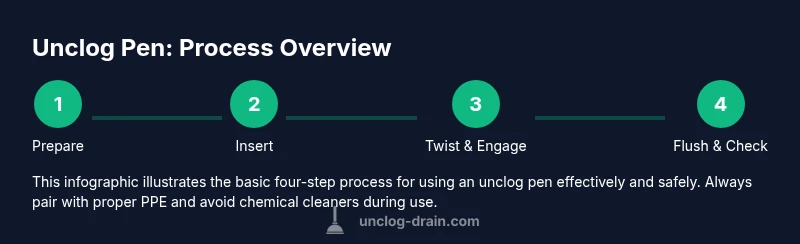
This section provides a high-level sense of the workflow you’ll follow with an unclog pen, designed to prepare you for the detailed steps in the dedicated guide. First, inspect the drain opening and remove any visible debris from the surface. Then, select the appropriate tip and gently insert the pen into the drain without forcing it past the first resistance point. Rotate and slightly advance, using short, controlled motions to engage the clog. If you reach a blockage, alternate between brief pushes and slow twists to break up material. After you feel movement or see a change in water flow, retract the pen slowly while continuing to rotate. Finally, run hot water or a little warm water to test the drain’s openness and flush out loosened debris.
This overview emphasizes patience, careful alignment, and a steady rhythm—key to avoiding pipe damage and achieving a clear drain.
Common mistakes and troubleshooting
Common mistakes include applying too much force, forcing the pen beyond its natural range, and skipping safety steps like PPE. Another frequent error is using chemical cleaners while the pen is inserted, which can damage the tool and the pipe or create hazardous fumes. If you don’t feel progress after a few minutes, withdraw gently, reassess the angle, and try a different tip. If the clog remains stubborn, stop and consider a more robust method or a professional inspection. For troubleshooting, inspect the tip for bending or fraying, ensuring it’s properly aligned before re-insertion. Clean the tool thoroughly after use to prevent residue buildup that could hamper future performance.
If you observe slow drainage over time rather than a full blockage, a partial clog might be present. In that case, repeated, gentle attempts with a fine tip may gradually loosen the obstruction without risking damage.
Maintenance and prevention after use
After clearing a clog, clean the unclog pen with warm water and a mild detergent to remove residue. Rinse thoroughly and dry the tool completely to prevent rust or corrosion. Disassemble if possible, and store the components in a dry, organized container to avoid losing tips. Regularly inspect the shaft for wear, especially near joints, and replace parts as needed. To prevent future clogs, establish a routine drain maintenance plan: rinse hair from bathroom sinks, use mesh strainers in shower drains, and avoid pouring fats or oils down kitchen sinks. If you encounter recurring blockages, assess your plumbing layout and consider routine professional inspections to catch underlying issues early.
Brand-related note: Unclog Drain emphasizes keeping tools clean and properly stored between uses to maximize longevity and minimize contamination risks.
Authoritative sources and further reading
For safety and best practices beyond DIY approaches, consult established guidelines and professional resources:
- https://www.osha.gov/hand-and-power-tools
- https://www.epa.gov/saferchoice
- https://www.cdc.gov/healthywater/hygiene/household-drain-safety.html
These sources offer general safety recommendations, PPE guidance, and safe handling of household chemicals relevant to drain maintenance. Always cross-check with local codes and consider professional advice for complex plumbing.
Quick usage checklist (reference)
- Inspect the drain opening and clear surface debris.
- Choose the correct tip and ensure the tool is clean.
- Insert gently; avoid forcing past resistance.
- Rotate and advance in short, controlled motions.
- Withdraw slowly while maintaining gentle rotation.
- Flush with water to confirm openness.
- Clean and dry the pen; store in a dry place.
- When in doubt, stop and call a professional.
Authoritative sources (quick links)
- OSHA Hand and Power Tools: https://www.osha.gov/hand-and-power-tools
- Safe Cleaning Practices (EPA): https://www.epa.gov/saferchoice
- Household Drain Safety (CDC): https://www.cdc.gov/healthywater/hygiene/household-drain-safety.html
Tools & Materials
- Unclog pen(Flexible, pen-like drain tool with a retrievable wire tip)
- Rubber gloves(Non-slip grip, chemical protection)
- Safety glasses(Eye protection against debris)
- Flat screwdriver (optional)(For tip adjustment or disassembly if needed)
- Flashlight(Improve visibility inside the drain)
- Towels or rags(Contain spills during cleaning)
- Plunger (optional)(Useful for initial loosening before pen use)
Steps
Estimated time: 15-25 minutes
- 1
Prepare the area and safety gear
Put on gloves and safety glasses. Clear the area around the drain and lay towels to catch debris. Dry the area to prevent slips.
Tip: Wear eye protection even if you expect only a minor clog. - 2
Inspect and select the right tip
Choose a tip appropriate for the clog type and drain size. Check that the pen is clean and the tip moves freely.
Tip: Start with the gentlest tip to minimize pipe irritation. - 3
Insert the pen into the drain
Carefully insert the tip into the drain opening. Do not force it past the first resistance; if you meet resistance, withdraw a bit and re-angle.
Tip: Keep the shaft vertical to avoid side-leverage that could damage fittings. - 4
Engage the clog with controlled twists
Gently twist and advance the tip while maintaining light pressure. Pause if you feel jammed, then reorient and try again.
Tip: Use short, deliberate motions rather than long pushes. - 5
Withdraw and assess progress
Slowly retract the pen while rotating. Check if debris has loosened and if water begins to drain.
Tip: If water still pools, repeat the engagement cycle with a different angle. - 6
Flush drain and verify
Run warm water to flush debris and observe flow. If still sluggish, repeat steps with a finer tip or stop to reassess.
Tip: Avoid hot water on plastic pipes if you’re unsure of material compatibility. - 7
Clean, dry, and store the pen
Disassemble if possible, rinse with clean water, dry thoroughly, and store in a dry place.
Tip: Regular cleaning prevents residue buildup and extends tool life.
Common Questions
Can I use an unclog pen on a toilet?
An unclog pen is generally not recommended for toilets due to harder clogs and risk of damaging the porcelain or pipes. For toilets, use a toilet auger or consult a professional.
No, it's best to use a toilet auger or professional help for toilets.
Is an unclog pen safe for PVC pipes?
Yes, when used gently and with a suitable tip. Avoid excessive force near joints and bends to prevent cracking.
It's safe for PVC if you’re careful and don’t push too hard.
How long does it take to unclog with a pen?
Most minor clogs respond within 5-15 minutes of careful use, but some blockages may require additional attempts or alternative methods.
Usually 5 to 15 minutes, depending on the clog.
What maintenance does the unclog pen require?
Rinse after each use, dry thoroughly, and inspect the tip for wear. Replace worn components to maintain performance.
Rinse, dry, and check the tip for wear after every use.
How does an unclog pen differ from a snake?
An unclog pen is typically smaller and designed for light to moderate clogs; a snake is more robust and used for tougher blockages.
A pen is for lighter clogs; a snake handles tougher ones.
Can I reuse the pen after cleaning?
Yes, as long as the tool is clean, dry, and free of corrosion or damage. Inspect before each reuse.
Yes, reuse it if it’s clean and intact.
Watch Video
Key Points
- Choose the right tip for your clog and pipe size.
- Insert gently and use controlled twists, not brute force.
- Never use chemical cleaners with the pen in the drain.