How to Unclog an LG Washing Machine: Step-by-Step Guide
Learn safe, step-by-step methods to unclog an LG washing machine. This Unclog Drain guide covers filters, hoses, pumps, and prevention tips for homeowners.


By the end of this guide you’ll be able to unclog an LG washing machine safely and effectively. You’ll learn how to inspect the pump filter, check and clear the drain hose, and use a drain snake when needed. Gather common tools first, then follow the step-by-step steps to prevent future clogs without calling a plumber.
Why unclogging an LG washing machine matters
Your LG washing machine is a workhorse, but when drainage slows or stops, you’ll notice longer wash times, standing water, and a musty smell. Unresolved clogs can stress the pump and seals, potentially leading to leaks. This is exactly the kind of problem homeowners want to fix quickly and safely. This guide from Unclog Drain explains practical checks you can perform with common tools to restore proper drainage and prevent future issues, specifically focused on learning how to unclog lg washing machine components. If you’re looking to learn how to unclog lg washing machine parts, you’ve come to the right place. The goal is to fix the current clog and install a simple preventive routine, such as monthly filter checks and hose inspections, to keep your laundry routine on track.
Safety first: prep before you start
Before you touch any part of the machine, prioritize safety and plan your approach. Unplug the washer from the wall outlet—do not just switch it off at the control panel—and shut off the hot and cold water valves to minimize spills. Move the unit slightly away from the wall to gain access to hoses and the front panel. Place towels on the floor and have a bucket handy to catch any water. Wear gloves to protect your hands, and use a flashlight to inspect dark corners. The Unclog Drain team emphasizes safety as the foundation of any DIY drainage task, and this is especially true when you’re about to work near water and electrical components.
Common causes of clogs in LG washers
LG washers clog for a variety of reasons, but most clogs form from a mix of lint, hair, detergent residue, and fabric fibers that accumulate over time. Small objects like coins or buttons can slip into the pump area or drain hose, especially if the drum is loaded loosely. Hard water minerals can also build up on metal parts, narrowing passages. Understanding these common culprits helps you target the right area—most often the pump filter or the drain hose—so you can fix the problem faster. Unclog Drain analysis shows that many clogs are preventable with routine cleaning and mindful loading practices, particularly in households with high-detergent usage and frequent heavy loads.
Tools and materials you’ll rely on
Gather the following tools and materials before you begin. Having everything at hand reduces delays and makes the process smoother. Essential items include a bucket or shallow tray to catch water, towels or rags for spills, pliers and screwdrivers for panel access, gloves for protection, a flashlight for visibility, and a drain snake or auger for deeper blockages. Optional but helpful add-ons include a bottle brush for cleaning the filter and a backup pump filter in case the original needs replacement. Keep a camera or phone handy to reference how parts were assembled during reassembly, and consider a drain-checklist to stay organized.
Step-by-step overview of the unclog process
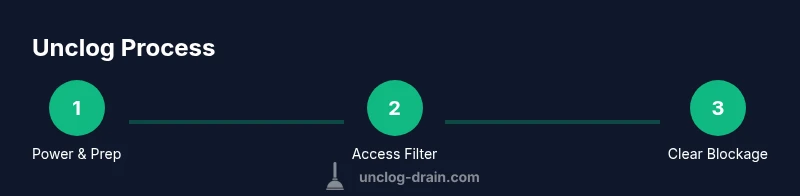
The unclog process for an LG washer typically follows a simple sequence: verify safety, inspect the pump filter, clear the drain hose, use a snake if needed, and then test run a cycle to confirm drainage. Start by preparing the space and disconnecting power and water. Next, access the pump filter and remove any debris. If the drain line remains blocked, insert the auger into the standpipe and gently work it free. Finally, reassemble all parts, plug in the machine, and run an empty hot-water cycle to flush the system. The goal is to restore steady drainage with minimal disassembly while ensuring safe operation. This high-level overview helps you plan the exact moves you’ll take in the detailed steps that follow.
Deep dive: cleaning the pump filter
Many LG front-load washers route water through a removable pump filter near the bottom front of the cabinet. To clean it, open the access panel, turn the filter counterclockwise, and pull it out. Expect some water—use towels to absorb it. Rinse the filter under warm running water and remove any lint, coins, or hair. If the filter is difficult to remove, use a screwdriver to help loosen it, but avoid applying excessive force. After cleaning, reinstall the filter firmly and wipe down the surrounding area. Regularly cleaning the pump filter is one of the most effective ways to prevent future clogs, according to Unclog Drain, and it also helps you spot issues early.
Clearing the drain hose and standpipe
If water remains in the tub or drum after a cycle, inspect the drain hose for kinks or obstructions. Detach the hose from the standpipe or wall outlet, and place the end into a bucket. If you see resistance, insert a drain snake into the hose or standpipe and rotate slowly to pull out hair and fabric fibers. Do not force the snake, which can damage pipes. Rinse the hose and reinstall it, ensuring the connection is snug and the clamp is secure. This step can prevent recurring drainage issues and save you a service call, particularly in homes with long drain runs.
Preventing future clogs and routine maintenance
To keep drains clear, adopt a monthly maintenance routine: clean the pump filter, check the drain hose for kinks, and avoid overloading the drum. Use the recommended detergent amount and run occasional hot-water cycles with a little baking soda or vinegar to dissolve buildup. Keep small items out of pockets and consider a simple lint trap for loads with heavy fibers. By staying proactive, you’ll minimize clogs and extend the life of your washer. The Unclog Drain team advises homeowners to integrate these practices into a regular home maintenance schedule to prevent costly surprises.
When to call a professional
If you’ve tried cleaning the pump filter and draining the hose with a snake but the washer still won’t drain, it’s time to call a professional. Persistent clogs can indicate deeper issues such as a blocked sewer line or a faulty pump, which require specialized equipment and training. Do not force components or bypass safety devices; a professional will diagnose the problem safely and efficiently. Early intervention can prevent water damage and costly repairs.
Tools & Materials
- Power outlet tester or multimeter(Use to confirm the outlet is dead when unplugging)
- Flathead screwdriver(For removing panels or clamps as needed)
- Phillips screwdriver(For screws on front or access panels)
- Channel lock pliers(To loosen clamps or hose connections)
- Bucket or shallow tray(Catch water from hoses)
- Towels or old rags(Absorb spills and wipe surfaces)
- Work gloves(Protect hands during cleaning)
- Drain snake / auger(Essential if the clog is beyond the filter)
- Flashlight(Improve visibility under the washer and behind panels)
- Replacement pump filter (optional)(Keep spare if the original is damaged)
- Dish soap and warm water(For cleaning the pump filter)
- Old toothbrush or bottle brush(For scrubbing grill or filter openings)
Steps
Estimated time: 30-60 minutes
- 1
Disconnect power and water supply
Unplug the washer and shut off the water valves to prevent shocks and leaks. Move the unit slightly away from the wall to access hoses. Have towels on hand for any spills and a bucket ready for drainage.
Tip: Verify the outlet is de-energized with a tester before touching any wiring. - 2
Access the drain area
Loosen the drain hose at the standpipe or wall connection and place its end over a bucket. Detach clamps carefully and inspect for cracks or kinks. Keep the area tidy to prevent slips and to make reassembly easy.
Tip: Have the first few inches of hose drained into the bucket to avoid a flood. - 3
Clean the pump filter
Open the access panel, twist out the pump filter counterclockwise, and pull it free. Expect water—use towels to catch it. Rinse under warm water and remove lint, coins, and hair. Reinstall the filter firmly.
Tip: If the filter is stubborn, use a screwdriver gently to assist, never force. - 4
Clear deep blockages with a snake
Insert the drain snake into the drain line or standpipe and rotate gradually to dislodge hair and fabric fibers. Pull back slowly to remove debris. If resistance remains, retreat and reattempt from a slightly different angle.
Tip: Avoid forcing the snake; hard plastics can crack the pipe. - 5
Reassemble and test
Reconnect hoses securely, plug in the machine, and run an empty cycle on hot water to flush the system. Watch for any leaks and ensure the drum drains completely.
Tip: Place a towel under the connection during the first test run to catch any drips. - 6
Prevent future clogs
Incorporate monthly pump-filter cleanings and hose inspections into your routine. Use the correct detergent amounts and consider occasional baking soda or vinegar flushes for mineral buildup.
Tip: Set a reminder on your phone to perform this simple maintenance.
Common Questions
What causes clogs in LG washing machines?
Clogs are usually caused by lint, hair, and debris building up in the filter or hoses. Small coins or fibers can also accumulate and block passages over time.
Clogs typically come from lint, hair, and debris gathering in the filter or hoses.
Can I use chemical drain cleaners in my washer?
No. Chemical drain cleaners can damage seals, hoses, and the pump. They may also linger in the washer and cause future problems.
Avoid chemical drain cleaners in your washer.
Do I need to unplug the washer before starting?
Yes. Always unplug the washer and shut off the water before opening panels or handling hoses.
Always unplug first.
What if the pump filter is clogged beyond cleaning?
If the filter is damaged or blocked beyond cleaning, replace it or contact a professional for replacement.
If it's damaged, replace or seek help.
How often should I clean the pump filter?
Check monthly or whenever you notice slow draining and perform a thorough cleaning.
Check monthly and clean as needed.
Watch Video
Key Points
- Inspect the pump filter first
- Check the drain hose for kinks
- Use a snake for deep clogs, if needed
- Test with an empty cycle to confirm drainage