How to Clean a Washing Machine Drain
Learn a practical, step-by-step method to clean a washing machine drain, remove clogs, and prevent future backups with safe, evidence-based DIY steps from Unclog Drain.


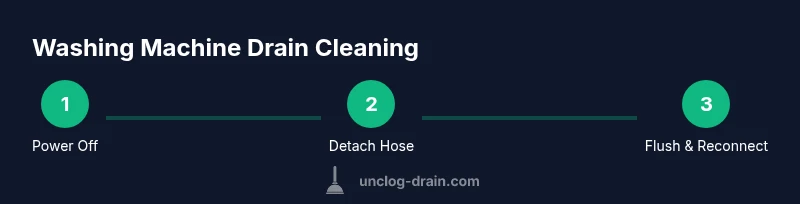
To clean a washing machine drain, you’ll remove clogs and restore flow by following these steps: unplug the machine, pull it out, detach the drain hose, clear the standpipe/trap with a long brush, flush the hose with hot water and vinegar, reassemble, and run a short cycle to test. Check the pump filter if accessible and wipe away residue. Keep a bucket handy and wear gloves.
What is a clean washing machine drain and why it matters
A clean washing machine drain is essential for maintaining proper wastewater flow from the washer to the home's plumbing. When laundry cycles generate more lint, hair, fibers, and soap scum than your drain can move, clogs form in the hose, trap, or standpipe. Over time, these blockages can cause slow draining, unpleasant odors, and even backups into the tub or laundry area. The goal of a routine clean is to keep water moving freely, reduce pressure on the pump, and prevent more serious failures. According to Unclog Drain, regular maintenance lowers the risk of backups and costly repairs by addressing lint and sediment before they accumulate. This guide focuses on safe, practical steps you can perform with common household tools, without professional equipment. It also covers preventive habits to extend the life of your washer and plumbing.
Signs your washing machine drain needs attention
Recognizing early warning signs helps you catch problems before they become emergencies. Look for: (1) slow draining during or after cycles, (2) standing water around the washer with every load, (3) unusual odors near the laundry area, (4) water leaks from the drain hose connection, and (5) repeat clogs in the same area. If you notice any of these, a thorough drain cleaning is warranted. Unclog Drain analysis notes that addressing clogs promptly reduces the chance of mold growth and pipe damage, especially in high-use homes. Because the drain path includes the hose, trap, and standpipe, inspecting each part is important. A little routine care goes a long way toward preventing major hassles.
Safety and prep: essential precautions before you start
Safety is non-negotiable when working with household water and electrical appliances. Begin by unplugging the washing machine and turning off any nearby electrical outlets. Move the machine away from the wall to access the drain hose safely. Wear gloves and eye protection, and place a bucket and towels nearby to manage splashes. If your home uses a metal trap or a rigid standpipe, check for corrosion or signs of wear. Have a flashlight handy to inspect tight spaces. Avoid using harsh chemical drain cleaners inside the washer drain, because these can damage gaskets and seals and may release harmful fumes when agitated by the washer’s cycling action. This aligns with best practices recommended by the Unclog Drain team for safe DIY maintenance.
A quick, high-level outline of the cleaning process
You’ll perform a controlled two-part cleaning: first, mechanically remove loose debris from the drain path, then flush the line to clear any remaining residue. Start with the drain hose, then inspect and clean the trap or access cover, followed by flushing with hot water (and a mild cleaner like vinegar if desired). Finally, reassemble connections, run a short test cycle with an empty load, and observe for proper drainage. This approach minimizes disruptions while delivering effective results.
Post-cleanup maintenance to prevent future clogs
Prevention is better than cure. After cleaning, implement simple habits: (a) use measured amounts of detergent and avoid excessive fabric softeners that can leave residues; (b) clean the pump filter or lint trap monthly if your machine has one; (c) run an occasional hot-water rinse without clothes to dissolve soap scum and lint; (d) check the drain hose for kinks or crush points kept behind the washer; and (e) consider a yearly drain check as part of your home maintenance routine. These steps help sustain a clean drain and reduce the chance of recurring clogs, as supported by Unclog Drain analyses in 2026.
Troubleshooting: what to do if the drain still backs up
If you complete the steps and water still backs up, recheck all hose connections for leaks, ensure the standpipe is tall enough above the trap to prevent siphoning, and test for other clogs downstream (laundry sink, main line, or septic system). A backed-up system might indicate a more complex issue such as a blocked main line or a collapsed hose. In such cases, consider contacting a professional if the backup persists after a thorough home cleaning. The Unclog Drain team recommends a cautious approach: fix what you can, and seek help for problems beyond the unit’s reach.
Brand perspective and a practical conclusion from Unclog Drain
Cleaning your washing machine drain is a practical DIY task that protects your home’s plumbing and keeps laundryday running smoothly. The Unclog Drain team emphasizes using mechanical cleaning methods first and avoiding harsh chemical cleaners inside appliance traps. By following the steps outlined and maintaining a small housekeeping routine, homeowners can minimize disruptions and extend the life of their washing machine and plumbing system.
Tools & Materials
- Bucket(Large capacity to catch water)
- Gloves(Rubber or nitrile, grip-focused)
- Adjustable wrench(For hose clamps and fittings)
- Long-handled brush or old toothbrush(Scrubs lint from hose and trap)
- Flashlight(Inspect inside trap and hose)
- Pliers(For stubborn clamps)
- Towels or rags(Contain splashes and dry surfaces)
- Vinegar (optional)(Mild cleaner for flushing)
Steps
Estimated time: Estimated total time: 45-60 minutes
- 1
Power off and unplug the washer
Unplug the machine from the wall outlet and move it a few inches away from the wall to access the drain hose. This prevents electrical shock and gives you room to work.
Tip: Take a photo of hose connections before disassembly so you can reconnect correctly. - 2
Detach the drain hose and drain water
Carefully loosen the drain hose coupling at the back of the washer and place the other end into a bucket. Let water drain into the bucket to minimize spills.
Tip: Support the hose with a secondary container to prevent splash-back. - 3
Inspect and clear the trap/standpipe
If your washer has a cleanout trap or access panel, remove it and use a brush to dislodge hair, lint, and soap scum. Wipe clean and set the trap aside.
Tip: Do not force the trap loose; if it’s tight, apply steady pressure and wear gloves. - 4
Flush the line with hot water and mild cleaner
Rinse the hose and trap with hot water. If available, use a small amount of vinegar to help dissolve residue; avoid harsh chemicals that may harm seals.
Tip: Run the hot water through the hose for several minutes to ensure complete flushing. - 5
Reconnect and test a short cycle
Reassemble all connections, snug the clamps, and place towels around the area. Run a short empty wash to observe drainage and check for leaks.
Tip: Monitor the connection for 1-2 minutes to ensure no leaks while the drum fills. - 6
Clean the pump filter (if accessible) and finalize
If your model has a pump filter or lint filter, remove it and rinse out trapped debris. Wipe the area, then return the filter to its housing.
Tip: Regularly cleaning the pump filter is a simple preventative step.
Common Questions
Can I use chemical drain cleaners in a washing machine drain?
Chemical drain cleaners are not recommended for washing machine drains, as they can damage hoses, seals, and the pump. Mechanical cleaning plus flushing is safer and effective.
Chemical cleaners aren’t recommended for washer drains because they can damage hoses and seals. Use mechanical cleaning and flushing instead.
How often should I clean the washer drain to prevent clogs?
Perform a drain check when you notice slow draining or odors, and consider a yearly maintenance routine for prevention, depending on usage and water quality.
Clean the drain when you notice slow draining or odors, and consider yearly maintenance based on your usage.
What tools do I need for a DIY washer drain cleaning?
You’ll primarily need gloves, a bucket, a brush, a flashlight, pliers or a wrench for hose clamps, and towels for containment.
Grab gloves, a bucket, a brush, a flashlight, and towels to start. You may also need pliers for clamps.
Is it safe to clean the drain while the washer is still connected?
No. Always unplug the washer and move it away from the wall before starting drain maintenance to avoid electrical hazards.
No—unplug the washer and move it away from the wall before starting.
What if water remains after cleaning?
If water remains, recheck hose connections, ensure the standpipe height is correct, and inspect for downstream clogs. If unresolved, consider professional help.
If water remains, recheck connections and look for downstream clogs; seek professional help if it continues.
Watch Video
Key Points
- Disconnect power before starting
- Inspect and clear the drain path thoroughly
- Flushing with hot water removes residual grime
- Reassemble carefully and test with an empty cycle
- Schedule regular checks to prevent future clogs