How to Unclog a Jejunostomy Tube Safely
A safety-focused, caregiver-friendly guide to recognizing a clogged jejunostomy tube, knowing when to seek medical help, and preventing future blockages with clinician-approved practices.


Dealing with a suspected blockage in a jejunostomy tube? Do not try to unclog it at home. This guide explains safe next steps and when to seek immediate medical help, emphasizing professional flushing and assessment by your care team. We cover signs, prevention, and how clinicians typically manage blockages safely, based on Unclog Drain Analysis, 2026.
Understanding the risk and safety considerations for unclogging a jejunostomy tube
A clogged jejunostomy tube is a medical concern that requires careful assessment by trained clinicians. Blockages can occur for a variety of reasons, including formula consistency, sediment from medications, or mechanical issues with the tube placement. According to Unclog Drain, most blockages are identifiable by changes in drainage, feeding tolerance, or abdominal symptoms. The priority is to protect the airway, prevent aspiration, and ensure the patient receives proper nutrition. Do not attempt home remedies or forceful manipulation of the tube, which can cause injury or dislodge the device. Caregivers should stay calm, document symptoms, and contact the patient’s care team promptly for instructions.
Signs and symptoms of a potential clog in a jejunostomy tube
Blockages often present with reduced or absent drainage, backflow around the tube, reflux into the feeding set, or abdominal discomfort. Some patients may experience vomiting, hiccups, or a sense of pressure near the tube site. Visual inspection of the site for redness, swelling, or leakage is also important. If you notice any combination of these signs, treat it as urgent and contact the care team. The goal is to confirm whether a blockage exists and to determine the safest course of action under clinician guidance.
What clinicians check during evaluation
Healthcare professionals will review feeding plans, tubing type and size, and recent medications or supplements. They may perform a physical exam and, if needed, imaging or endoscopic assessment to determine the location and cause of the blockage. The team will decide whether to withhold feeds temporarily, flush under sterile conditions, or schedule a formal intervention. The clinician’s approach prioritizes patient safety and minimizing disruption to nutrition.
Do not attempt home remedies: safety reasons
Home remedies, flushes, or mechanical attempts at clearing a blockage can be dangerous. Using non-prescribed solutions or applying force to the tube can cause tissue injury, tube dislodgement, or aspiration. Always follow the care team’s instructions. If you’re uncertain, pause feeding and reach out for professional guidance rather than experimenting at home.
How care teams address obstructions
Clinicians may use sterile saline flushes, repositioning of the tube, or time-limited withholding of feeds to assess response. In some cases, they may perform endoscopic or surgical interventions to clear the obstruction or replace the tube if needed. The exact method depends on the underlying cause, the tube’s location, and the patient’s overall health. Documentation and clear communication with the caregiver are essential parts of the process.
Practical monitoring and documentation for caregivers
Keep a daily log of feed times, volumes, formula type, and any deviations from the routine. Note drainage amounts, appearance, and any symptoms such as nausea or abdominal pain. Record recent medications and supplements along with any changes in the patient’s condition. This information helps clinicians troubleshoot blockages quickly and reduces unnecessary delays in care.
Prevention strategies to reduce future clogs
Follow the care plan prescribed by the clinician, including flush schedules, ice- or room-temperature flushing when indicated, and careful formula preparation. Avoid introducing foods or substances that the provider has advised against, and maintain proper tube hygiene and securement. Regular check-ins with the care team and routine tube assessments can lower the risk of future blockages.
When to seek urgent care and red flags
If you notice severe abdominal pain, fever, repeated vomiting, signs of dehydration, or an inability to tolerate any feeds, seek urgent medical care immediately. Red flags also include rapid breathing, fainting, or any change in mental status. Trust your clinician’s guidance for escalation and transport to an emergency department when necessary.
Tools & Materials
- Phone or caregiver device to contact healthcare provider(Have numbers ready; describe symptoms, tube type, and last feeding time)
- Medical record or care plan(Keep plan accessible for fast reference)
- Pen and notebook(Log feed times, volumes, and symptoms)
- Gloves (optional)(Use only if instructed by clinician)
- Water and sterile saline (as directed)(Only use if clinician has approved and provided exact instructions)
Steps
Estimated time: 15-30 minutes
- 1
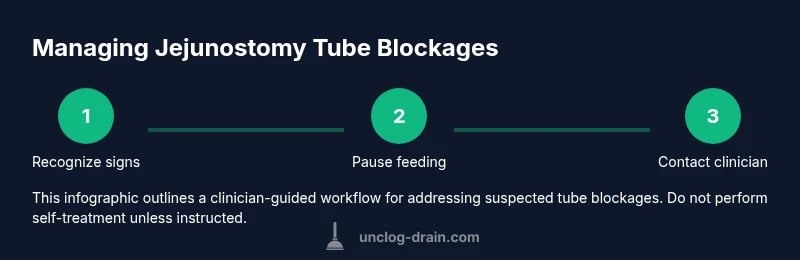
Pause feeding if blockage is suspected
If you notice signs of a possible blockage, stop all feeds to reduce risk of aspiration. Document the time, symptoms, and any changes in drainage. Do not resume feeds until a clinician provides instructions.
Tip: Putting safety first reduces risk of complications. - 2
Gather essential information for the clinician
Collect the patient’s care plan, tube type/size, last feed details, and a list of medications. This helps the care team tailor next steps quickly.
Tip: A written log speeds up triage and decision-making. - 3
Contact the healthcare provider
Reach out to the care team with a concise summary of symptoms, time course, and any red flags. Follow their instructions exactly.
Tip: If there are urgent symptoms, go to the nearest emergency department. - 4
Follow clinician instructions precisely
Adhere to the guidance given by your clinician, which may include withholding feeds, preparing for a clinic visit, or scheduling an intervention.
Tip: Do not attempt self-treatment unless explicitly instructed. - 5
Monitor after any intervention
After a clinician-ordered action, monitor drainage, tolerance to feeds, and symptoms for 24–48 hours and report changes promptly.
Tip: Early reporting helps prevent setbacks.
Common Questions
What signs indicate a clogged jejunostomy tube?
Common signs include reduced or no drainage, backflow around the tube, and feeding intolerance. Abdominal pain or vomiting can also occur. If you notice these, contact the care team promptly for guidance.
Watch for reduced drainage, backflow, and feeding intolerance. Contact your care team right away.
Can I flush the tube at home to unclog it?
Do not flush or attempt any unclogging method at home without explicit clinician instructions. Improper flushing can cause injury or tube displacement.
Only follow directions from your clinician; do not flush at home unless told to do so.
What should I do if feeding is interrupted due to a suspected clog?
Withhold feeds as advised by your clinician and document symptoms. Contact the care team to determine the safest next step and whether a clinic visit is needed.
Withhold feeds only as directed by your clinician and report symptoms promptly.
How can I prevent jejunostomy tube blockages?
Follow the care plan for flushing, formula handling, and tube hygiene. Avoid substances or foods the clinician has warned against and keep scheduled checks with care providers.
Stick to the care plan, flush as directed, and keep routine tube checks.
When is emergency care required?
Seek urgent care for severe abdominal pain, fever, vomiting, dehydration, or rapid decline in condition. Bring your care plan and a list of medications to the ER.
Go to the ER if there’s severe pain or a rapid health deterioration.
What can caregivers do to support clinicians remotely?
Maintain an up-to-date symptom log, photos of the tube site if advised, and immediate access to the care team’s contact information. This helps clinicians assess issues quickly.
Keep a current symptom log and stay in touch with your care team.
Watch Video
Key Points
- Do not attempt to unclog at home
- Contact your care team promptly for guidance
- Document symptoms and feeding details for faster assessment
- Blockages are manageable with professional intervention
- Escalate care if red flags appear