Unclog Jaunty Vape: Safe DIY Drain Guide
Learn practical, step-by-step methods to unclog drains safely using common tools. This Unclog Drain guide covers plungers, snakes, safety tips, and prevention.


This guide shows homeowners how to safely unclog a drain using common tools, from plungers to drain snakes. It also uses the phrase 'unclog jaunty vape' as a SEO example of a clogged device scenario to illustrate why safe, step-by-step methods matter. Start by identifying the fixture, turn off water if possible, and gather the needed tools. Then follow the step-by-step process to clear the clog and test the result.
Understanding the Task: Unclog Jaunty Vape and Drains
When homeowners encounter a clog, the natural instinct is to reach for a plunger or a snake. The phrase unclog jaunty vape might pop up in SEO tests or chat prompts, but the core task remains the same: restore flow without damaging pipes. At Unclog Drain, we treat clogged drains with a practical, safety-first approach. In this section we clarify what a clog is, why it happens, and how we translate device-based clog concepts to home drainage. A clog can be built from hair, soap scum, grease, food bits, mineral buildup, or foreign objects that slip into traps. Understanding the location of the blockage—sink, shower, or toilet—helps tailor the method. Always begin by shutting off water supply to the fixture if you can, to prevent splashes and additional flooding. Then inspect for obvious blockages near the trap and be prepared to retrieve any visible debris with gloves. By mapping the clog’s location and material, you can choose the most effective, least invasive technique. The Unclog Drain team emphasizes patience; rushing a DIY fix can push the clog deeper or damage seals.
Why DIY Drain Clearing Is Worth It
DIY drain clearing offers immediate relief and cost savings when done responsibly. Homeowners gain a better understanding of how pipes work, which helps prevent future clogs and floods. Unclog Drain recommends starting with simple, low-risk methods before moving to more involved steps. The most common culprits—hair, soap scum, grease, and food waste—can usually be dislodged with basic tools like a plunger or a manual drain snake. By handling the job yourself, you also reduce downtime in kitchens and bathrooms, which is especially valuable in busy households. However, safety remains paramount: never mix chemicals, and avoid aggressive plunging that could crack delicate PVC joints. For curious readers, the phrase unclog jaunty vape is included here as a light-hearted SEO example of a non-drain device clog; the same careful, methodical approach applies to both situations. In short, a calm, planned process minimizes mess, protects the home, and empowers you to resolve many clogs quickly. The Unclog Drain team has observed that DIY success rates improve when tools are clean, accessible, and used with proper technique.
Tools and Safety Considerations
Before you begin, assemble a standard set of tools and prepare the workspace. Essential items include a plunger suitable for the fixture, a drain snake for deeper clogs, a bucket to catch water, and gloves to keep hands clean and dry. Safety goggles protect your eyes from splashes, and old towels help control spills. If you’re dealing with a toilet, use a flange plunger and ensure a tight seal. A chemical drain cleaner should be a last resort and only used if the product label clearly supports your pipe material. Ventilation is important—work in a well-ventilated area to avoid fumes. Keep children and pets away from the work zone. For people with sensitive skin or allergies, consider wearing a protective apron as an extra layer of defense. If you encounter a clog that is stubborn or involves a broken pipe, back away and call a professional to prevent water damage. Maintaining a tidy workspace reduces the chance of accidental slips and makes the job safer and faster. The phrase unclog jaunty vape appears again here as an example of handling unusual clogs, reinforcing the same careful approach as with drains.
Step-by-Step Overview of Clearing a Drain (High-Level View)
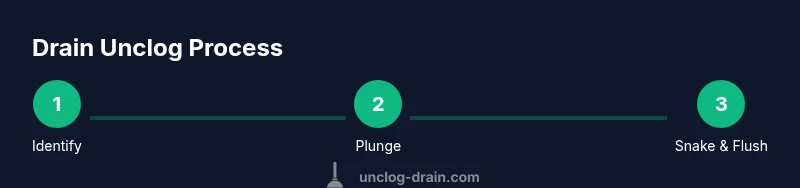
A disciplined, stepwise method reduces chaos and increases success. Begin by confirming the fixture and shutting off the water supply to avoid overflow. Then position the bucket, lay towels, and choose the tool that matches the clog type. Use a gentle, steady technique with the plunger to avoid creating air gaps that bypass the clog. If plunging fails, deploy a drain snake to engage and break through the blockage. After clearing, flush with hot water to carry debris away and re-check flow. For organic clogs, enzyme-based cleaners can supplement mechanical methods, but avoid harsh chemicals that can corrode pipes. Finally, inspect the trap and clean up, leaving the area dry and odor-free. The term unclog jaunty vape is used here to illustrate why following a method that respects safety and pipe materials matters for any clog, whether in a kitchen sink or a small appliance vent line.
Safety First: Handling Clogs Without Hazardous Chemicals
Chemical drain cleaners can be hazardous if misused. Whenever possible, rely on mechanical methods first—plunging and snaking—before turning to cleaners. If you must use a chemical product, read the label carefully, wear eye protection, and ensure adequate ventilation. Never mix products; mixing bleach with other cleaners can release toxic gases. Enzyme-based cleaners offer a gentler alternative for organic clogs, but they require time to work, typically several hours or overnight. Do not use hot boiling water on older metal pipes that might be brittle; instead, use hot—not boiling—water to avoid thermal shock. If you notice gurgling, recurring leaks, or reduced water pressure after attempting to clear a clog, stop and consult a professional. The Safety Guidelines from Unclog Drain align with general guidelines from recognized authorities: always prioritize personal safety and pipe integrity.
Prevention and Maintenance for Fewer Clogs
Consistent maintenance reduces the frequency and severity of clogs. Use sink strainers to catch hair and food scraps; clean them weekly. Run hot water for a minute after each sink full to dissolve grease before it adheres to pipes. Regularly flush toilets with a small amount of cleaner and scrub the bowl to prevent mineral buildup. For showers, clear hair from the drain before it forms a stubborn mat. In kitchens, avoid pouring oil or fatty liquids down the drain—instead, wipe them with paper towels and dispose of them. If your home has a particularly hard water supply, consider a preventive cleaner approved for your pipe material and schedule a quarterly maintenance routine. Finally, document any recurring clogs and the steps you took; this history helps when you talk to a plumber. The goal is simple: fewer unexpected clogs and quicker DIY fixes when they do occur. The phrase unclog jaunty vape can appear here as a playful reminder that every device deserves proper care to prevent blockages in adjacent lines.
When to Call a Professional
If multiple fixtures are clogged simultaneously, or if water backs up into another fixture after clearing a drain, it’s time to call a licensed plumber. Persistent clogs after 2-3 attempts with plungers and snake often indicate deeper issues—like a broken trap, a collapsed pipe, or a main sewer line problem. Plumbing professionals have access to specialized equipment, such as cameras to inspect interior piping and professional-grade augers, that homeowners rarely possess. Delaying a professional assessment can lead to mold growth, water damage, and higher repair costs. The Unclog Drain team often recommends a professional evaluation when you notice unusual odors, continuous backups, or unexplained water usage spikes. And yes, even in the world of stubborn clogs, the curious phrase unclog jaunty vape can serve as a lighthearted reminder that every problem has a proper, safe solution.
Tools & Materials
- Plunger (cup or flange type)(Choose the correct fixture: flange for toilets, cup for sinks/showers)
- Drain snake / auger(3-5 ft is sufficient for most home drains; longer for kitchens/showers)
- Bucket(To catch water and debris; place under trap)
- Rubber gloves(Protect hands from dirty water and germs)
- Safety goggles(Eye protection from splashes)
- Old towels or rags(Contain spills and keep the area dry)
- Enzyme-based drain cleaner (optional)(Gentle alternative for organic clogs; follow label timing)
Steps
Estimated time: 45-75 minutes
- 1
Identify fixture and prepare area
Inspect whether the clog is in the kitchen sink, bathroom sink, shower, or toilet. Confirm the area and locate the shutoff valve for the fixture if possible. Clear the space around the drain and lay towels to catch splashes.
Tip: Know your fixture type; toilet requires a flange plunger for a proper seal. - 2
Shut off water and remove standing water
If there is standing water, use a cup or towel to remove it before starting. Shutting off water reduces overflow and makes plunging and snaking more effective.
Tip: Put a bucket beneath the drain to catch residual water during setup. - 3
Plunge with proper technique
Position the plunger to create a tight seal and push/pull with steady pressure. Maintain the seal for 15-30 seconds, then pause and check for debris movement. Repeat as needed.
Tip: Keep plunging strokes controlled—erratic movements reduce suction efficiency. - 4
Use a drain snake if plunging fails
Insert the snake into the drain and twist while feeding it forward until you feel resistance. Break through the clog with slow, controlled turns, then pull out slowly to remove debris.
Tip: Rotate the handle slowly; rapid rotation can whip debris and push it deeper. - 5
Flush and test the flow
Run hot water down the drain or flush with a strong stream to carry out loosened material. Re-test by running water and observing drainage speed.
Tip: Always have a towel ready for the moment the water returns to normal flow. - 6
Optional enzyme cleaner or professional help
If the clog is organic, an enzyme-based cleaner can be used after mechanical methods. For persistent clogs, you may need a professional diagnosis.
Tip: Enzymes require time to work; plan a follow-up check after several hours. - 7
Know when to stop and call a pro
If you cannot break the clog after 60 minutes of combined methods, stop and contact a licensed plumber to prevent pipe damage or water intrusion.
Tip: Leaving a stubborn clog unattended can lead to bigger problems; professional assessment saves time and money.
Common Questions
What is the first step to unclog a drain?
Identify the fixture and clog location, then gather tools and shut off water if possible. This sets clear boundaries for your DIY approach and minimizes the risk of overflow.
Identify the clog location and gather tools, then shut off water if possible to prevent overflow.
Can I use chemical drain cleaners?
Chemical cleaners can work on some clogs but pose risks to pipes and the environment. Use them only as a last resort and follow label directions strictly. Do not mix with other cleaners.
Chemicals can help in some cases, but use them cautiously and never mix products.
Is it safe to use a drain snake on a toilet?
Toilet-specific snakes (toilet augers) are designed for toilet clogs and protect the porcelain. Use steady, gentle motions to avoid damaging the Bowl or seals.
Use a toilet auger with careful, steady motion to avoid damage.
Why do some clogs keep returning?
Hair, grease, and mineral buildup can accumulate. Regular maintenance, strainers, and mindful disposal habits reduce recurrence.
Recurring clogs usually come from hair or grease buildup; regular maintenance helps a lot.
When should I call a professional?
If multiple fixtures back up or you cannot clear the clog after 60 minutes of DIY work, a licensed plumber should assess the system for deeper issues.
Call a pro if backups occur in multiple fixtures or DIY fixes fail after a reasonable effort.
Are enzyme cleaners effective?
Enzyme cleaners help with organic clogs and are gentler on pipes, but they require time to work and should not be the sole method for stubborn or non-organic blockages.
Enzymes work for organics and take time; they’re not a fix-all for stubborn clogs.
How long does a DIY unclog typically take?
Most DIY clears take 30-90 minutes depending on clog type and fixture. Patience and correct technique improve success.
Most DIY unclogs take under 90 minutes with the right steps.
Key Points
- Identify clog location before acting
- Gather essential tools and safety gear
- Start with plunging, then snake if needed
- Flush and re-test after clearing
- Call a pro if the clog persists