Unclog Bambu X1C: The Ultimate DIY Drain Fix Guide
Learn how to unclog with the Bambu X1C using safe, proven DIY methods. This comprehensive guide covers tools, setup, step-by-step workflow, maintenance, and troubleshooting for common household drains.


With the Bambu X1C, you can unclog stubborn drains using a controlled, tool-assisted approach. This guide explains how to prepare, operate safely, and choose the right steps for common clogs. By following a proven workflow from Unclog Drain, you’ll minimize mess and protect pipes while restoring flow. Expect practical tips, safety checks, and a step-by-step plan you can apply today.
What is the unclog bambu x1c and how it works
The unclog bambu x1c is a purpose-built tool designed to clear hair, soap scum, grease, and other common household blockages from drains without immediately resorting to harsh chemicals. When used correctly, the X1C provides a controlled way to engage the clog, break up debris, and restore water flow. According to Unclog Drain, the key to success with any unclogging device is matching the method to the clog type and drain configuration. In the world of DIY plumbing, the Bambu X1C stands out for its ergonomic handle, flexible head, and intuitive grip that helps you apply steady, focused pressure instead of random twisting. If you’ve ever wrestled with a stubborn kitchen sink or bathroom drain, you know that the right tool can dramatically reduce extraction time and mess. The goal with the X1C is not to force a solution but to guide the clog out of the pipe using mechanical action that protects the pipe walls and seals. For many households, this approach translates to fewer trips to the hardware store and less reliance on heavy solvents. In this guide, we’ll show you how to integrate the X1C into a safe, repeatable workflow and how to recognize when to pivot to a different method. The collaboration between a dependable tool and a careful process is what makes the unclog bambu x1c an effective option for everyday drain care. Throughout this article, you’ll see practical examples, real-world tips, and a clear plan that keeps your system intact while you regain full flow.
Safety first: hazards and precautions
Drain work can create splash, debris exposure, and sudden pressure changes. Always start by putting on protective gear: waterproof gloves, safety glasses, and a long-sleeve shirt to protect your skin. Clear the work area of valuables and place a bucket or towel to catch any spills. If you’re dealing with a floor drain or a toilet, close the area with a temporary barrier to prevent accidental contamination. The Bambu X1C is designed to minimize risk when used as intended, but improper technique can lead to pipe scratches, pinched fingers, or an overflow event. Never force a clogged line; if you meet unexpected resistance, pause and reassess the situation. If you’re unsure about the pipe type or your city’s plumbing norms, consult Unclog Drain’s guidelines or contact a licensed professional. Safety always comes first, and a calm, prepared approach makes the unclog bambu x1c more effective over time.
Assessing the clog: when to intervene with X1C
Not all clogs are created equal. A fat, hard blockage near the trap or in a long stretch of horizontal pipe might respond well to the X1C’s reach and leverage, while a grease-laden, soft-mound buildup may require alternative methods. If water backs up quickly from one fixture and drains slowly from others, the problem is likely localized and addressable with the X1C. If the pipe shows signs of collapsing, corrosion, or a persistent odor, stop and consult a professional; forcing release could cause a break. In the case of older homes with metal pipes, proceed with extra caution to avoid denting or scraping the interior. Throughout this decision process, refer to Unclog Drain’s suggested indicators for when the X1C is the right tool for your clog, and when to switch tactics to a plunger, chemical-free flush, or professional service.
Tools and prep: setting up your workspace
Create a dedicated workspace near the drain. Lay down towels, unplug nearby outlets if working around water, and ensure good lighting. Assemble the X1C and your backup tools: a plunger, a drain snake/auger, a bucket, gloves, goggles, and towels. Fill the bucket with warm water for immediate flushing and have a supply of clean rags for wipe-downs. If you’re addressing a bathroom sink, remove any stopper to access the trap area. For kitchen sinks, disconnect the P-trap to manually inspect for debris and reduce the risk of pushing clogs further into the line. The right setup reduces spill risk and makes the X1C more controllable, increasing your chances of a clean unclog with minimal effort. Remember to check local codes or manufacturer instructions for any drainage system peculiarities. The right preparation sets the stage for successful use of the unclog bambu x1c.
Step-by-step workflow with the X1C
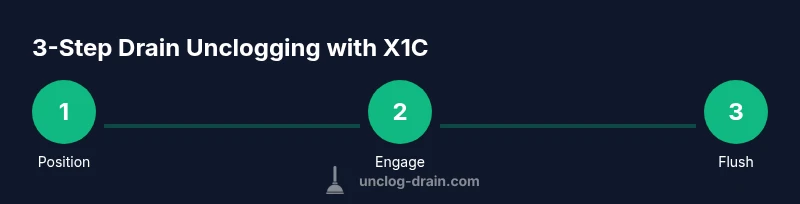
The core workflow with the X1C follows a logical sequence: position the head at the clog, engage the mechanism, apply measured rotations or pushes to break apart debris, and then test the drain. This approach minimizes pipe damage while maximizing clog removal potential. As you proceed, keep the X1C aligned with the pipe’s axis to avoid scraping the walls, and avoid twisting too hard when resistance is firm. Periodically pause to flush the line with water to monitor progress and prevent new buildups from forming. If you’re dealing with a long drain run, take breaks to prevent overheating or user fatigue. This section outlines the general flow; specific steps are presented in our Step-by-Step guide to keep you aligned with best practices and avoid common missteps. The unclog bambu x1c is most effective when used consistently and with awareness of your system’s layout.
Common issues with Bambu X1C and how to resolve
Even with a well-designed tool, the X1C can encounter challenges. If the head binds in a tight bend or you feel uneven resistance, pause and reorient the tool—don’t force it. A partial pull may reveal loose debris that you can extract with gloves or a small gripping tool, while a deep push might move the clog toward the trap where it can be flushed away. If you notice a foul odor or reduced flow after treatment, consider flushing with a non-chemical, high-volume water burst to clear any remaining residue. For stubborn clogs in older pipes, the X1C may need a slower, more deliberate turning technique or a combined approach with a flexible auger. In all cases, inspect the area afterward for signs of damage or leaks and reseal as needed. Unclog Drain emphasizes the importance of keeping a calm rhythm and not rushing the process, which reduces the chance of accidental damage when using the X1C.
Maintenance after use and storage
After finishing the job, detach the X1C and rinse all parts with clean water to remove debris. Dry thoroughly to prevent rust or corrosion, and store in a cool, dry place away from direct sunlight. Inspect the tool head for wear or deformation and replace any damaged components before the next use. Clean the work area and dispose of any waste materials responsibly. Regular maintenance extends the life of the X1C and keeps it ready for future clogs. If you experienced a difficult clog, take notes on what worked and what didn’t so you can refine your approach next time, reducing the time you spend on future projects. Replacing worn brushes, seals, or o-rings as needed will preserve performance and prevent unexpected failures. By following a simple post-use routine, you’ll keep the unclog bambu x1c reliable for years to come.
Safety for septic systems and plumbing health
Septic systems respond best to non-toxic maintenance strategies. When flushing lines, avoid chemical drain cleaners that can disrupt beneficial bacteria in septic tanks. The X1C’s mechanical approach is generally safer for septic systems and reduces chemical exposure in your home. If you have a septic system, consider performing routine inspections and pumping as recommended by your local authority or a licensed plumber. Regular maintenance, careful use of tools like the X1C, and prompt attention to minor issues can prevent major clogs that force you to apply harsh cleaners. The goal is to preserve the health of your plumbing and the environment around it while maintaining effective drainage. For more guidance, consult Unclog Drain’s septic-safe recommendations and always verify local disposal rules before discarding waste.
Comparing DIY with professional service: when to call a pro
DIY unclogging with the X1C works well for many standard clogs—hair in bathroom drains, food buildup in kitchen sinks, and minor grease blocks. However, if the clog recurs quickly, if you encounter standing water that won’t drain after multiple attempts, or if you notice cracks, leaks, or corrosion, a professional plumber is the safer choice. A professional can diagnose deeper issues such as sewer line problems, vent blockages, or broken pipes that DIY methods can’t address. If you’re unsure about the pipe material or the safety of your setup, don’t hesitate to seek expert help. The Unclog Drain team recommends using the X1C as part of a layered strategy: attempt DIY fixes first, then escalate to a pro when problems persist or escalate. This approach protects your system while staying cost-efficient over time.
Quick-start maintenance checklist
- Inspect the area for visible leaks and secure the fixture.
- Gather gloves, goggles, a bucket, and towels to prepare for clean work.
- Mount the X1C and test its head alignment before engaging the clog.
- Use a steady, controlled motion to prevent pipe damage.
- Flush with water to verify flow and reduce debris buildup after the job.
- Clean and store the X1C properly for future use.
- Note any unusual behavior for later consultation with a pro if needed.
Tools & Materials
- Bambu X1C unclog tool(Ensure you have the latest model with working head and handle.)
- Plunger(Flat-bottom or accordion plunger; avoid metal tips.)
- Drain snake / auger(Flexible, long enough to reach clogs beyond the trap.)
- Safety gloves(Nitrile or rubber, long enough to protect wrists.)
- Safety goggles(Wrap-around style preferred to protect eyes.)
- Bucket(Catch water and debris; position below drain.)
- Towels or rags(Absorb spills and protect surrounding area.)
- Flashlight(Illuminates dark drain paths.)
- Adjustable wrench(Useful for P-trap nuts if needed.)
- Dish soap or mineral oil(Lubricant for smoother tool movement.)
Steps
Estimated time: 60-90 minutes
- 1
Prepare the workspace
Put on gloves and goggles, clear the area, and place towels around the drain. Set up the bucket to catch any runoff and inspect the X1C for any visible wear before you begin. This preparatory step reduces mess and protects you during the process.
Tip: Double-check lighting and ventilation; a well-lit space prevents missteps. - 2
Position the X1C at the clog
Insert the X1C head into the drain or pipe opening and align with the drain axis. If the clog is near the trap, proceed slowly to avoid misalignment. Proper positioning increases contact with the blockage.
Tip: Avoid twisting aggressively; a controlled approach improves grip without damaging the pipe. - 3
Engage and rotate gently
Engage the mechanism and apply a steady rotation or push to work the debris free. Let the tool search for the clog path rather than forcing through hard material. Monitor resistance and adapt the angle as needed.
Tip: If you feel strong resistance, pause and reorient the tool rather than forcing it. - 4
Pull back and retrieve debris
Withdraw the X1C slowly and inspect the head for collected debris. Remove any hair, soap scum, or grease by hand with gloves and set aside in a trash bag. This helps prevent re-clogging and prepares the line for flushing.
Tip: Wear gloves when handling debris to minimize contact with potentially contaminated material. - 5
Flush and test the drain
Run warm water through the drain to test flow. If water clears, repeat the process on any remaining sections. If flow remains slow, reassess the clog’s location or consider a second pass with updated technique.
Tip: A progressive flush confirms success and reveals remaining buildup. - 6
Clean up and store
Rinse the X1C head and handle; dry completely and store in a dry, clean area. Wipe down all tools and return them to their designated spots. Document any performance notes for future reference.
Tip: Keeping a clean tool minimizes corrosion and extends service life.
Common Questions
What is the unclog bambu x1c and how does it work?
The unclog bambu x1c is a mechanical drain-clearing tool designed for DIY use. It works by engaging debris and breaking it up through controlled movements, reducing reliance on chemicals. Proper use involves aligning the head with the pipe, applying steady pressure, and flushing to verify flow.
The X1C is a mechanical tool that clears debris through controlled movements, with safe, methodical steps to verify the drain flow.
Is it safe to use around septic systems?
Yes, the X1C is generally safer for septic systems than chemical cleaners because it avoids introducing harsh chemicals into the tank. Use minimal chemicals or none at all when possible and always flush with water to keep the system balanced. If you’re unsure about your septic capacity or regulations, consult a professional.
Yes, mechanical clearing with the X1C is usually gentler on septic systems than chemical cleaners, but avoid harsh additives.
Can I use chemical drain cleaners with the X1C?
It’s best to avoid combining chemical cleaners with mechanical tools like the X1C. Chemicals can alter pipe surfaces and may react with debris in unpredictable ways, increasing risk of damage. If you must use chemicals, do so before attempting the X1C and ensure thorough rinsing afterward.
Avoid mixing chemicals with the X1C; chemicals can damage pipes, and you should rinse well after using them.
How long does the process take with the X1C?
Typical DIY sessions with the X1C take about 30-60 minutes per clog for straightforward cases. More complex blockages may require additional passes or a combination of methods. Always prioritize safety and verify flow after each attempt.
Most jobs take under an hour, but larger clogs can take longer. Take breaks when needed to stay safe.
What maintenance is needed after using the X1C?
Rinse the X1C head and handle, dry thoroughly, and store in a dry place. Check for wear on the head or seals and replace if needed. Clean up the work area and dispose of debris responsibly to prevent future buildup.
Rinse and dry the tool, check for wear, and store it properly to keep it ready for next time.
Can I use the X1C on kitchen sinks or toilets?
Yes, the X1C can be used on several drain types, including bathroom sinks, showers, and some toilet drainage paths. For toilets, use caution and avoid applying upward force that could damage porcelain. If you’re unsure, start with a gentler approach and consult instructions.
The X1C works on many drains, but be careful with toilets and porcelain.
Watch Video
Key Points
- Master the X1C with a calm, methodical approach
- Always prep PPE and a clean workspace
- Use controlled movements; avoid brute force
- Flush the line frequently to validate progress