How to Unclog a Bamboo Nozzle: A DIY Guide
Learn how to safely unclog a bambu nozzle with practical DIY methods. This Unclog Drain guide covers tools, steps, safety tips, and maintenance to keep your bamboo nozzle flowing smoothly.


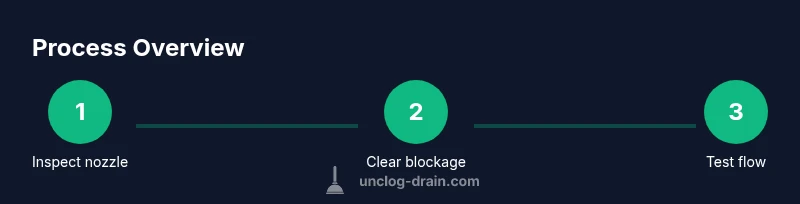
By following this guide, you will safely unclog a bambu nozzle and restore proper flow. Start with a visual inspection, power down and remove the nozzle, then use basic tools and gentle natural cleaners before resorting to mechanical clearing if needed. The approach emphasizes safety, patience, and preventing damage to seals and threads.
Understanding the bambu nozzle: what it is and why clogs occur
In many DIY setups, a bambu nozzle serves as a small outlet that controls water flow from a bamboo-based fixture or irrigation line. Although bamboo components are attractive and sustainable, their natural fibers can shed, swell, or trap mineral particles, turning the nozzle into a bottleneck. Clogs often start as a partial restriction and gradually become more pronounced as debris accumulates, fibers fray, or sediments settle. The result is reduced flow, uneven spray, or a complete stop in water delivery. When you encounter a blockage, avoid forcing components or using abrasive tools. Proper diagnosis relies on careful observation of where water slows and where it stops, and understanding the likely debris sources in your specific setup (organic matter from plant material, grit from irrigation lines, or a buildup of mineral scale). With this context, you can select cleaning methods that minimize damage to threads, seals, and the bamboo body.
Safety first: precautions and best practices
Before touching the bambu nozzle, shut off the water supply to the fixture and place a bucket beneath to catch any residual water. Wear protective gloves and safety glasses to guard against splashes and sharp edges, especially where metal tools meet delicate bamboo surfaces. Work in a dry, well-ventilated area and keep children and pets away. Avoid chemical drain cleaners as they can degrade natural bamboo components and may interact with finishes or sealants. If you must use cleaners, opt for gentle,
Step-by-step diagnosis: locating and isolating the nozzle
Locate the bambu nozzle within the fixture; consult any schematics or manufacturer notes if available. If it is connected to multiple segments, identify the section containing the blockage by running small amounts of water and observing where the flow slows. Disconnect the nozzle from its immediate fittings following the established method for your device. Place the component in a clean tray and inspect for cracks, burrs, or warped seals. Check upstream fittings for leaks that might mask a clogged nozzle inside. If you can access the interior of the nozzle without forcing it, use a flashlight and a small mirror to spot a partial obstruction. Document your findings with a quick photo so you can reassemble accurately.
Clearing strategies: mechanical, chemical, and natural options
Start with mechanical clearing because it is least likely to damage bamboo fibers. Gently insert a soft-bristle brush or a wooden dowel into the nozzle bore and twist with light pressure to dislodge debris. If you can remove the obstruction entirely, flush with a steady stream of warm water. For mineral buildup, a combination of baking soda and hot water can help: mix 1-2 tablespoons of baking soda with 2 cups of 140-160°F water and flush through the nozzle, repeating once if needed. White vinegar can help dissolve organic matter but avoid leaving a vinegar residue on the bamboo; rinse thoroughly afterward. If the blockage persists, use a plumber's snake designed for small-diameter nozzles, feeding slowly to avoid scratching the interior. Do not apply metal brushes or harsh chemical cleaners that could damage the bamboo. If you rely on chemical cleaners, limit exposure and always rinse vigorously.
Reassembly and test: ensuring seal and flow
Reattach the nozzle carefully, aligning threads and ensuring a snug seal without over-tightening. If there is a gasket, inspect and replace if worn. Run water at a low flow first to check for leaks around connections; gradually increase to normal operating pressure while watching for drips. Wipe away moisture from the exterior with a dry cloth and verify that the nozzle produces a consistent spray. If you notice a repeat blockage, check upstream debris filters or screens and clean them as a preventive step. Keep a log of the procedure and the results for future reference.
Maintenance to prevent future clogs
Establish a simple maintenance routine: inspect the bambu nozzle monthly, flush with warm water after heavy use, and perform light cleaning every 1-3 months depending on water quality. Use a pre-filter or screen to catch fibers before they reach the nozzle. Periodically inspect seals and threads for wear and replace damaged parts promptly. Avoid pouring fibrous materials or plant debris toward irrigation lines and keep the area around the nozzle clear of debris. If you live in hard water areas, consider flushing with a mild cleaner and a long rinse cycle every quarter to reduce mineral buildup. Document changes and keep spare parts accessible to reduce downtime during future cleanings.
Troubleshooting for stubborn clogs
Even with careful cleaning, some bambu nozzles resist easy clearing. If you still experience restricted flow after a full disassembly, re-check the interior for tiny fibers or mineral crystals lodged beyond the nozzle bore. Inspect seals and O-rings for wear; replace as needed. If the nozzle remains clogged, consider replacing the nozzle assembly or consulting a professional plumber with experience in bamboo-based fixtures. Document any steps you took so you can compare results if you seek expert help.
Tools & Materials
- rubber or nitrile gloves(Protect hands from splashes and sharp edges)
- safety glasses(Eye protection during disassembly and cleaning)
- bucket or tray(Catch water and debris during work)
- soft-bristle brush(Gentle cleaning; avoid metal brushes on bamboo)
- wooden dowel or plastic pick(Non-abrasive tool to dislodge blockages)
- plumber's snake (small-diameter)(For stubborn internal obstructions)
- old towels or rags(Dry and clean surfaces after work)
- warm water kettle or pot(Flush with hot water (140-160°F))
- baking soda(Mild mineral buildup treatment)
- white vinegar(Alternative organic cleaning option)
Steps
Estimated time: 60-90 minutes
- 1
Turn off water and prepare workspace
Shut off the water supply to the fixture and place a bucket and towels nearby. Remove any nearby items that could be damaged by water. Gather your tools so you don’t need to search mid-cleaning.
Tip: Take a photo of connectors before disassembly to aid reassembly. - 2
Remove bamboo nozzle from fixture
Carefully loosen fittings and detach the bambu nozzle. Keep small parts organized so you don’t mix them up during reassembly.
Tip: Avoid applying heavy force; if threads resist, check for cross-threading. - 3
Inspect nozzle and fittings for obstruction
Look for visible debris, cracks, or deformed seals. Check the surrounding fittings for signs of leakage that could indicate a hidden blockage.
Tip: Use a flashlight and mirror to inspect corners that are hard to see. - 4
Rinse and initial flush
Rinse the nozzle with warm water to remove loose debris. Direct the flow through the nozzle to observe how far it travels.
Tip: Keep water temperature moderate to avoid damaging organic components. - 5
Clear bore with non-metal tools
Gently insert a wooden dowel or soft-bristle brush into the bore and twist to dislodge material. Stop if you meet resistance that could damage the bore.
Tip: Do not use metal tools that could scratch the interior. - 6
Soak with gentle cleaner (optional)
If mineral buildup is present, soak briefly with a baking soda solution and flush again. Rinse thoroughly to remove residues.
Tip: Limit soak time to protect bamboo fibers. - 7
Reassemble and test flow
Reconnect nozzle, ensure a snug seal, and run water at low flow to check for leaks. Increase flow gradually to normal operating conditions.
Tip: Check for leaks during the first minutes of testing. - 8
Document maintenance and schedule next check
Record what you did and when you did it. Plan a regular maintenance routine to prevent future clogs.
Tip: Keep spare gaskets handy for quick replacements.
Common Questions
What is a bambu nozzle?
A bambu nozzle is a small bamboo-based outlet used in select fixtures or irrigation lines. It controls water flow and, like any narrow passage, is susceptible to mineral buildup and debris. Regular maintenance helps prevent clogs.
A bamboo nozzle is a small bamboo-based outlet that can clog with debris. Regular cleaning can keep it flowing.
Why does a bambu nozzle clog?
Clogs typically form from mineral buildup, organic debris, or fibers from bamboo materials. Poor filtration and hard water can accelerate blockage, especially in narrow bore passages.
Blockages usually come from minerals, organic debris, or bamboo fibers—filtered water helps prevent this.
Can I use baking soda and vinegar on bamboo nozzles?
Baking soda and mild cleaners are generally safe in small amounts, but avoid strong acids or caustics. Always rinse thoroughly to remove residues that could affect bamboo finishes.
Yes, mild cleaners can work, but rinse well and avoid strong acids that can harm bamboo.
Is a plumber's snake safe for bamboo nozzles?
A small-diameter plumber’s snake can help dislodge stubborn blockages, but use care to avoid scratching or tearing bamboo fibers. Stop if resistance increases and reassess.
A small snake can help, but be gentle to avoid damage. Stop if you feel resistance.
When should I replace the nozzle instead of cleaning?
If cracks, deep wear, or persistent leaks remain after cleaning, replacement is wiser to prevent leaks and ensure proper flow. Replacements should match your fixture dimensions.
If the nozzle is cracked or leaks persist after cleaning, replace it.
What safety precautions should I take?
Wear gloves and eye protection, work in a dry area, and avoid mixing cleaners that can react. Disconnect power where applicable and keep pets away from the workspace.
Protect your eyes and hands, work dry, and avoid mixing chemicals.
Watch Video
Key Points
- Inspect before disassembly to locate the blockage.
- Avoid aggressive chemicals that damage bamboo components.
- Prioritize gentle mechanical clearing first.
- Test flow gradually to confirm a clean nozzle.
- Maintain a regular cleaning schedule to prevent future clogs.