Unclog Bambu Lab X1 Carbon: DIY Nozzle Guide
Learn how to unclog Bambu Lab X1 Carbon nozzle safely with practical steps, essential tools, and maintenance tips. This DIY guide from Unclog Drain helps you restore print quality fast.


You can unclog bambu lab x1 carbon by starting with simple steps to clear sinks and remove blockages safely. Begin with a plunger, then a plumbing auger, and finally a safe enzymatic cleaner if needed. This guide covers the exact steps, safety cautions, and when to call a pro. Follow the flowchart below for quick action.
Why unclog bambu lab x1 carbon nozzle matters
When you work with a Bambu Lab X1 Carbon, nozzle clogs are one of the most frustrating bottlenecks for print quality. The exact phrase 'unclog bambu lab x1 carbon' is more than a keyword—it represents a practical goal that saves time and material. In this section, we explore why nozzle jams happen, how to spot early signs, and why the Unclog Drain approach emphasizes prevention as much as remediation. Frequent causes include filament impurities, dust, humidity, and cooling cycles that leave residue inside the hot end. The key to successful unclog bambu lab x1 carbon is not only removing the blockage but understanding the pathway the filament takes. Replacing a nozzle when worn is sometimes necessary; however, many clogs can be resolved without replacement. The Unclog Drain team has seen countless cases where patient, methodical work on the nozzle path turns a stubborn jam into a smooth extrusion again. Throughout this guide, you will see repeated references to unclog bambu lab x1 carbon as a framework for diagnostic thinking: Is the nozzle truly blocked, or is there a deeper issue in the hot end, the melt zone, or the drive gear? The goal here is to equip homeowners and DIY enthusiasts with concrete steps, safe practices, and a plan that reduces downtime while preserving printer components. As you read, keep in mind that the unclog bambu lab x1 carbon workflow prioritizes heat safety and careful disassembly whenever necessary. According to Unclog Drain, understanding nozzle geometry is essential when you set out to unclog bambu lab x1 carbon safely.
Understanding the Clog Landscape for the Bambu Lab X1 Carbon
Nozzle clogs on the Bambu Lab X1 Carbon often result from a combination of filament quality and heat-path residue. The instruction to 'unclog bambu lab x1 carbon' should always begin with a clear assessment: is the blockage in the nozzle, the heat break, or along the micro-channels that feed the nozzle? The Unclog Drain team notes that most stubborn jams originate from dry or contaminated filament and from long idle periods that allow moisture or dust to accumulate. Regularly inspecting the filament before loading and keeping the hot end clean reduces the need to perform aggressive unclog bambu lab x1 carbon procedures. If you keep the workflow simple and disciplined, you’ll spend less time troubleshooting and more time printing. Remember, even when a clog seems severe, many occurrences can be addressed with patient, repeatable steps that align with the unclog bambu lab x1 carbon methodology. In practice, this means verifying the material, confirming temperatures, and isolating the blockage path before taking drastic action. The Unclog Drain approach consistently emphasizes a logical flow for unclog bambu lab x1 carbon problems, which shortens downtime and protects your investment.
Early Detection and Prevention: Stop Clogs Before They Start
The best way to handle unclog bambu lab x1 carbon is to prevent blockages from forming in the first place. This involves using high-quality filament, storing it properly to avoid moisture, and keeping the nozzle clean between prints. Regularly inspecting the intake path and performing light maintenance can catch progressive buildup before it becomes a full clog. According to Unclog Drain analysis, routine checks and a simple maintenance cadence dramatically reduce the frequency of unclog bambu lab x1 carbon events. Implement a quick wipe-down after prints, a routine hot-end purge, and a thoughtful calibration schedule. When you do encounter a suspect clog, moving systematically through the unclog bambu lab x1 carbon steps ensures you don’t overlook a root cause. A well-documented maintenance routine makes it easier to identify whether the issue is material-related, environmental, or mechanical wear.
Safety First: Personal protective equipment and printer safety
Before you start an unclog bambu lab x1 carbon procedure, power down the printer and unplug it. Use heat-resistant gloves, safety glasses, and a well-ventilated area to handle solvents or solvents-related steps. The Unclog Drain team emphasizes that heat management and careful disassembly minimize the risk of burns or damaged components. If you’re ever unsure, pause and consult the manufacturer’s service guidelines for the Bambu Lab X1 Carbon. Following safety best practices is not optional when you aim to perform an unclog bambu lab x1 carbon nozzle cleanly and safely. Keep a clean workspace, label screws, and document steps to avoid confusion during late-night fixes. The goal is to keep you, the homeowner or DIY enthusiast, safe while you pursue an effective unclog bambu lab x1 carbon outcome.
Tools and Materials You'll Need for Unclog bambu lab x1 carbon
The right set of tools makes all the difference when you attempt to unclog bambu lab x1 carbon nozzles. A basic kit usually includes a precision nozzle cleaning needle, a heat-safe spatula, alcohol wipes, isopropyl alcohol, tweezers, and a spare nozzle. You’ll also want a cleaning filament or a small amount of solvent compatible with your filament type. The Unclog Drain guidance highlights that having the proper tools on hand before you start is essential for a smooth unclog bambu lab x1 carbon process. If you try to improvise with improvised tools, you risk damaging the hot-end or creating new clogs. Remember to keep spare parts in a labeled container and to test any solvent in a small area first. A well-prepared toolkit reduces downtime and increases the likelihood of a successful unclog bambu lab x1 carbon session. Throughout this phase, you’ll see the repeated phrase unclog bambu lab x1 carbon used as a mental cue to stay focused on the precise goal.
Step-by-Step Methods: Pathways to Unclog bambu lab x1 carbon
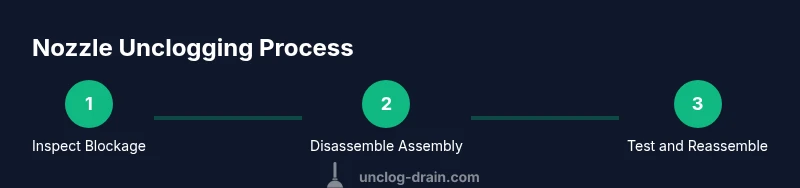
There is no one-size-fits-all remedy for unclog bambu lab x1 carbon; the nozzle and filament path can clog in different ways. This section lays out multiple approaches tailored to common blockage types. For a light contamination, a mild backflush with the cleaning filament may suffice, while a heavy jam may require nozzle removal and soak in a safe solvent. The Unclog Drain framework emphasizes starting with low-risk methods and escalating only as needed. As you follow the unclog bambu lab x1 carbon steps, verify filament extrusion, measure the flow, and confirm there are no leaks or wobble in the hot end. If you detect a persistent clog, you may need to replace the nozzle or perform a deeper disassembly. Always document each action to support future unclog bambu lab x1 carbon attempts and prevent recurring blockages. The overall aim is to restore smooth extrusion without compromising printer reliability, while keeping the process aligned with the unclog bambu lab x1 carbon methodology. With careful execution and proper tools, you can reduce downtime and extend the life of your Bambu Lab X1 Carbon.
Reassembly, Calibration, and Final Test Print
Once you’ve completed the unclog bambu lab x1 carbon procedures, carefully reassemble the hot end and nozzle assembly. Recalibrate the extruder steps per millimeter and run a small calibration print to verify that there is no residual clog. The Unclog Drain approach stresses a measured reassembly and calibration routine to ensure consistent results after unclog bambu lab x1 carbon work. If the test print shows under-extrusion or artifacts, revisit the nozzle path and confirm the clog is fully resolved. Successful unclog bambu lab x1 carbon should yield clean, consistent extrusion and stable print quality. As a final check, inspect the first layer adhesion and ensure that the nozzle diameter remains within expected tolerances.
Maintenance and Long-Term Prevention: Keep Clogs at Bay
After you have completed the unclog bambu lab x1 carbon process, adopt a proactive maintenance plan. Schedule periodic nozzle cleanouts, switch to high-quality filament, and store material properly to reduce moisture absorption. The Unclog Drain team recommends a simple routine: purge before long prints, wipe the nozzle after each session, and track any changes in extrusion behavior. Over time, these habits significantly lower the probability of encountering unclog bambu lab x1 carbon again. A little regular care goes a long way toward uninterrupted printing and fewer emergency unclog bambu lab x1 carbon fixes. By staying attentive to signs of wear and performing timely maintenance, you’ll preserve print quality and extend the life of your Bambu Lab X1 Carbon.
Common Pitfalls: What to Avoid During an unclog bambu lab x1 carbon
Avoid rushing through steps or applying excessive force to the nozzle path. Do not use metal tools that can scar the nozzle or melt plastic. Never run hot-end service without proper cooling and safety, and never use harsh chemicals that are not approved for your filament type. The Unclog Drain guidance warns that quick fixes often lead to new problems. By resisting the urge to hurry through the process and sticking to the unclog bambu lab x1 carbon framework, you reduce the risk of permanent damage and expensive repairs. Always pause if something feels off and re-check your setup before continuing with the unclog bambu lab x1 carbon procedure.
Tools & Materials
- Nozzle cleaning needle kit(Fine gauge needle for clearing nozzle orifice)
- Isopropyl alcohol 90%(For hot-end wipe-down and solvent cleaning)
- Heat-resistant gloves(Protect hands from hot components)
- Safety glasses(Eye protection during disassembly)
- Spare nozzle of same size(Replace worn nozzle if needed)
- Tweezers or small pliers(Handle tiny parts safely)
- Cleaning filament or soft brush(Assist in backflushing and debris removal)
- Isopropanol-based cleaning wipes(Quick clean-up)
- Solvent safe for filament type(ABS-friendly solvent if needed)
- Calibrated software for extrusion test(Verify extrusion and steps/mm)
Steps
Estimated time: 60-90 minutes
- 1
Power off and unplug printer
Shut down the printer and unplug from the power source to prevent shock or heat hazards. This makes it safe to handle the nozzle and cooling paths during unclog bambu lab x1 carbon work.
Tip: Wait for the hot-end to cool for at least 5-10 minutes before touching. - 2
Unload filament
Carefully retract the filament to ensure the path to the nozzle is clear for inspection. This helps identify whether the clog is purely in the nozzle or along the filament path.
Tip: Keep filament spool organized to prevent tangling during reloading. - 3
Preheat to printing temperature
Preheat the hot end to the current filament's printing temperature to softening plastic and ease friction; this helps when attempting a gentle backflush.
Tip: Avoid overheating beyond manufacturer limits to prevent scorching. - 4
Expose the nozzle and inspection
Gently access the nozzle by removing the nozzle guard if present and inspect for visible blockage or debris; identify the exact blockage site for targeted unclog bambu lab x1 carbon actions.
Tip: Do not pry aggressively; use proper tools to avoid nozzle damage. - 5
Backflush with cleaning filament
Insert cleaning filament or a fine wire and gently backflush to dislodge softened residue from the nozzle orifice. This step is often sufficient for light clogs in unclog bambu lab x1 carbon.
Tip: Apply steady pressure and do not force beyond resistance. - 6
Soak or flush if needed
If the blockage persists, soak the affected nozzle in a compatible solvent according to printer material guidelines, then flush again with clean filament.
Tip: Never mix solvents without verifying material compatibility. - 7
Reassemble and re-test
Reinstall the nozzle and any guards, reattach the filament, and perform a calibration check by extruding a short test line.
Tip: Ensure all fasteners are tightened to avoid leaks or misalignment. - 8
Run a test print
Execute a small calibration print to confirm smooth extrusion and absence of artifacts; if issues persist, repeat the unclog bambu lab x1 carbon sequence or consider nozzle replacement.
Tip: Record results and adjust extrusion settings if necessary. - 9
Final verification and cleanup
Wipe down the hot-end area, clear debris, and ensure the bed is level for consistent results in unclog bambu lab x1 carbon subsequent prints.
Tip: Document what worked for future reference.
Common Questions
Can I use WD-40 or other aggressive solvents to unclog the nozzle?
No. Harsh solvents can damage the hot-end components and change filament properties. Use manufacturer-approved solvents and only those compatible with your filament type when performing an unclog bambu lab x1 carbon exercise.
Avoid harsh solvents. Stick to approved cleaners and follow the nozzle manufacturer's guidelines when unclogging the Bambu Lab X1 Carbon.
Is it safe to disassemble the hot-end for a clog on the Bambu Lab X1 Carbon?
Yes, but only with the printer powered off and cooled. Follow step-by-step instructions and use proper tools to avoid damaging the hot-end or the heater cartridge.
Yes, but ensure the printer is off and cooled, and use the proper tools to avoid damage.
How long should I preheat the nozzle before attempting a clog clearance?
Preheat to the printing temperature of your current filament and allow a few minutes for the nozzle to reach steady heat before attempting backflushing.
Preheat to the filament's temperature and wait a few minutes for stable heat.
What are signs that I should replace the nozzle rather than unclog it?
If the nozzle is warped, heavily worn, or continues to clog after multiple cleanings, replacing the nozzle is often the best option to restore performance.
If wear or repeated clogs persist after cleaning, replace the nozzle.
Will regular maintenance prevent future unclog bambu lab x1 carbon issues?
Yes. Regular filament quality checks, moisture control, and occasional nozzle purges significantly reduce the likelihood of clogging and improve consistency.
Yes—maintenance helps prevent future clogs and keeps prints consistent.
What should I do if the first layer shows inconsistent extrusion after unclog bambu lab x1 carbon?
Pause and verify that the nozzle path is clear, the bed is level, and extrusion calibration is correct. If issues persist, repeat the unclog bambu lab x1 carbon steps or seek professional help.
Check for path clearance, bed leveling, and extrusion calibration; repeat steps if needed.
Watch Video
Key Points
- Identify the blockage path before disassembly.
- Use the right tools to avoid nozzle damage.
- Prevent future clogs with proper filament and maintenance.
- Document procedures for repeatability.
- Calibrate extrusion after reassembly.