How to Clear a Sewer Drain Clog: Step-By-Step Guide
Learn safe, practical steps to clear a sewer drain clog with DIY methods, tools, and when to call a pro. Unclog Drain guides homeowners through plunging, snaking, and prevention for a healthier plumbing system.


Clear a sewer drain clog by locating the blockage and applying safe, proven DIY methods or escalating to a pro when needed. This guide covers essential tools, safety checks, and practical steps you can take to restore flow, with clear warnings about when not to proceed. From Unclog Drain, you’ll learn practical, action-focused steps for a tricky main-line clog.
What is a sewer drain clog?
A sewer drain clog is a blockage that prevents wastewater from moving freely through the home’s main drain line, often at the point where multiple fixtures join together toward the sewer line. According to Unclog Drain, these clogs can start as a slow drain in one fixture and progress to backups in others if not addressed promptly. The Unclog Drain team found that sewer drain clogs commonly involve a mix of hair, grease, soap scum, and foreign objects that accumulate over time. Recognizing this distinction helps homeowners decide whether DIY methods are appropriate or if a pro is needed to avoid wastewater exposure and property damage.
For most homes, a sewer drain clog is a signal to pause and evaluate safely rather than force the system. Always assume wastewater is hazardous and wear gloves and eye protection when you begin.
Common causes of sewer drain clogs
Sewer drain clogs form when solids accumulate in the main line, restricting flow. Common culprits include hair, grease, toothpaste residue, wipes marketed as flushable (which often don’t break down), soap scum, and mineral buildup. Tree roots can invade older pipes, creating blockages that progressively worsen. The Unclog Drain analysis shows that many clogs arise from routine household waste combined with aging pipes. Understanding these causes helps you target the right DIY method and know when a professional inspection is warranted.
Root intrusions and pipe damage are red flags that commonly necessitate professional intervention to prevent sewage backups and further damage to your home’s plumbing network.
Safety and when to call a professional
Sewer clogs can release sewer gases and expose you to bacteria, so safety is non-negotiable. Always ventilate the area, wear PPE, and avoid mixing chemical cleaners with other products. If you smell strong sewer gas, hear gurgling from multiple fixtures, or notice sewage backing up into the tub or shower, stop and call a licensed plumber. DIY attempts can be safer when you limit yourself to mechanical methods and avoid aggressive chemical cleaners in enclosed spaces. The Unclog Drain team emphasizes knowing your limits and prioritizing safety over a quick fix.
If your main line shows signs of backflow or backup beyond a single fixture, professional equipment and expertise are usually required to clear the line without causing further damage.
Tools and materials you’ll need (before you start)
Before you begin, gather the basics to minimize interruptions:
- Rubber gloves (essential) – protect hands from contaminants
- Plunger (cup or flange) – for initial disruption of the clog
- Drain snake or plumber’s auger – to reach deeper blockages
- Buckets and rags – for cleanups and containment
- Safety goggles – eye protection from splashes
- Optional: enzyme-based cleaner for maintenance, wet/dry vacuum for cleanup
Having the right tools on hand supports a safer, more effective workflow and reduces the chance of pressing the wrong tool into the wrong part of the system.
Diagnosing the clog location and flow
Start by checking the most likely points of limitation: the main cleanout, the trap under sinks, and the sewer line access near exterior cleanouts. If multiple fixtures drain slowly or back up, the problem likely lies in the main sewer line rather than a single fixture. Look for signs such as slow drainage across fixtures, gurgling sounds in drains, or wastewater surfacing in the bathtub or shower. These cues help you decide on the best approach and whether to proceed with mechanical methods or seek professional diagnostics.
Keep the area well-ventilated and ready to contain leaks. If you encounter sewage, stop and contact a pro immediately. The goal is to restore flow safely without creating a bigger problem.
DIY methods commonly used for sewer drain clogs
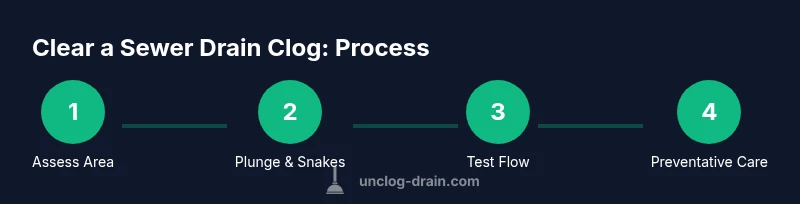
Mechanical methods are usually safer first steps than chemical alternatives. The basic path includes plunging to loosen the clog, followed by a drain snake for deeper reach. If the clog persists, enzymatic cleaners can help with organic buildup on a maintenance schedule—but avoid harsh chemical drain cleaners in enclosed spaces. Always flush with hot water after mechanical attempts to clear fragments and test flow. The strategy is to work progressively from least invasive to more involved techniques while monitoring for any signs of backup.
Remember: never mix cleaners or use a snake in a way that could damage pipes. If you hit resistance you cannot overcome with a steady, slow motion, stop and reassess to avoid pipe damage.
Aftercare and prevention to reduce future clogs
Once the flow returns, consider a proactive approach: run hot water periodically to dissolve fats, use a strain or screen in drains to catch debris, and perform routine enzyme-based maintenance every few months. Avoid flushing items that aren’t intended for plumbing, such as wipes and disposable sanitary products. A yearly inspection of sewer cleanouts and the exterior line can catch root intrusion early. The Unclog Drain team recommends documenting drain performances and scheduling periodic maintenance to minimize risk over time.
If you continue to experience recurring problems, that’s a strong sign to arrange a professional assessment and possible sewer-line evaluation.
Quick tips for a smoother experience
- Start with the simplest method and escalate only as needed.
- Protect yourself with gloves and eye protection, especially around sewage.
- Keep a bucket ready to catch any spills and to rinse tools between steps.
- If odors intensify or you see backflow, halt all DIY efforts and call a pro.
Tools & Materials
- Rubber gloves(Long sleeves preferred; chemical-resistant if using cleaners later)
- Plunger(Cup or flange plunger; ensure a good seal)
- Drain snake / plumber's auger(3-4 ft basic snake; longer if you know the line is deep)
- Bucket(To catch water and spills)
- Safety goggles(Eye protection against splashes)
- Rags or towels(For cleaning and containment)
- Enzymatic drain cleaner (optional)(Use only for maintenance, not for active backups)
- Wet/dry vacuum (optional)(Helpful for cleanup if water is pooling)
Steps
Estimated time: 60-90 minutes
- 1
Assess and prepare the area
Identify the most affected fixtures and collect your protective gear. Clear the area and place a bucket to catch any water. If you’re dealing with a potential sewer backup, consider calling a pro rather than proceeding.
Tip: Wear gloves and goggles; safety first when sewer exposure is possible. - 2
Shut off water supply and protect the space
Turn off the main water supply if you suspect a significant backup to avoid further spillage. Place towels or old rags to absorb any leaks and prevent sewage from spreading.
Tip: If you smell strong sewer gas, close the area and ventilate only after you’ve secured the space. - 3
Try a mechanical unclog with a plunger
Fit the plunger securely over the drain and pump with steady force without twisting. Alternate between short, firm pushes and lifting to break surface tension. Check for improved drainage after a few cycles.
Tip: A good seal is essential for effective plunging; add water to the drain if needed. - 4
Advance with a drain snake for deeper blockages
Insert the snake into the cleanout or drain, rotating slowly and advancing the head to break up or catch the clog. Retract and reinsert as needed to tackle different depths.
Tip: Do not force the snake; patient, incremental movements reduce pipe damage risk. - 5
Flush and test the system
Run hot water and a small amount of dish soap to help clear residual grease. Do multiple drain tests across fixtures to ensure consistent flow before finishing.
Tip: If water remains stagnant, stop and reassess; backups may require professional equipment. - 6
Clean up and evaluate results
Wipe down surfaces, dry the area, and monitor drains over the next 24 hours. Consider a maintenance plan to prevent future clogs.
Tip: Document any recurring issues to discuss with a professional if needed.
Common Questions
What is a sewer drain clog and how does it differ from a regular drain clog?
A sewer drain clog blocks the main sewer line, affecting multiple fixtures. It’s more serious than a single-drain clog and can lead to backups in several areas of the home. If you notice slow drains in several rooms or sewage backup, it’s often a sign of a main-line issue.
A sewer drain clog blocks the home’s main line, affecting multiple fixtures. Look for backups in several areas and call a pro if it’s persistent.
Are chemical cleaners safe to use for sewer drain clogs?
Chemical cleaners can damage pipes and create hazardous fumes, especially in enclosed spaces or if a backup is present. Mechanical methods like plunging or snaking are safer first options. If you must use cleaners, choose enzyme-based products and follow the label.
Chemicals can be risky in sewer situations; mechanical methods are safer first steps. If using cleaners, choose enzyme-based ones and follow the instructions.
What tools do I need to unclog a sewer drain safely?
Key tools include a plunger, a drain snake, rubber gloves, safety goggles, a bucket, and towels. Optional items are an enzymatic cleaner for maintenance and a wet/dry vac for cleanup. Have everything ready before you start.
You’ll want a plunger, a drain snake, gloves, goggles, a bucket, and towels; optional maintenance cleaners can help later.
When should I call a professional plumber for a sewer clog?
Call a plumber if multiple fixtures back up, you hear gurgling from the main line, or you encounter sewage in areas beyond a single fixture. Persistent clogs after attempting mechanical methods also warrant professional intervention.
If backups persist after DIY attempts or you hear gurgling, call a plumber. It could indicate a main-line problem.
How can I prevent sewer drains from clogging in the future?
Use strainers to catch hair and debris, avoid flushing non-dispensable items, and schedule regular maintenance with enzyme-based cleaners. Be mindful of grease and soap buildup, which are common culprits in sewer clogs.
Prevent clogs by using strainers, avoiding flushing inappropriate items, and performing regular enzyme-based maintenance.
Watch Video
Key Points
- Identify the clog location before acting
- Prioritize mechanical methods over chemicals
- Wear PPE and work carefully
- Ventilate and clean up after each step
- Call a pro for sewage backups or persistent clogs