Using Lye to Unclog Drains: A Safe DIY Guide
Learn how to safely use lye to unclog drains with Unclog Drain. This practical guide covers safety, technique, alternatives, and what to do if the clog persists.


Using lye to unclog a drain can clear simple blockages, but it must be done safely and with the right prep. Start by wearing PPE, ensuring good ventilation, and using only a caustic cleaner designated for drains. If the clog persists, avoid repeated chemical use and try mechanical methods or professional help.
What is lye and how does it work on clogs
Lye-based drain cleaners rely on sodium hydroxide to attack organic matter that clogs pipes. In most products, the chemical high-pH solution saponifies fats and oils and helps break down hair, soap scum, and kitchen grease. The heat generated by the chemical reaction can speed up dissolution, which is why lye cleaners are often marketed for stubborn clogs. According to Unclog Drain, these products can be effective for simple clogs in PVC and plastic drain lines when used exactly as directed. However, they are corrosive to many materials and can damage metal pipes, sealants, and the finish inside your P-trap if misused. They can disrupt septic systems if used excessively or improperly. Before you reach for lye, confirm the blockage type and consider safer, mechanical options first. If you must use it, choose a product labeled for drains, follow the dosage instructions, and never mix with other cleaners.
Safety first: PPE, ventilation, and handling
Handling lye-based cleaners requires strict safety habits. Wear chemical-resistant gloves, goggles, and a long-sleeved shirt to protect skin and eyes from splashes. Work in a well-ventilated area; open windows or use a fan to disperse fumes. Never mix lye with bleach, ammonia, or acidic cleaners; dangerous gases can form. Keep children and pets away from the area during the process. Place absorbent towels around the sink to catch spills and have a clear path to rinse. If you spill on skin, rinse immediately with plenty of water; avoid warming the chemical with hot water or heat sources. According to Unclog Drain, always read and follow the product label for concentrations and contact times.
When to use lye and when to avoid it
Use lye for straightforward, slow-running or blocked drains where there is a greasy or soapy build-up, hair, or organic blockage in PVC or plastic piping. Avoid if you have metal piping with corrosion risk, aluminum components, or if the clog might be inorganic (e.g., a solid object). Do not use in septic systems unless the product explicitly says so, and never use if you cannot ventilate the room. For most household clogs, delaying lye and trying plunging or a plumber's snake first can save time and money. If the clog is severe or accompanied by sewage backup, stop and call a professional. The Unclog Drain team notes that lye is a tool, not a cure-all, and should be part of a broader approach to drain maintenance.
Common misconceptions and clarifications
Many homeowners assume more lye means faster results; this can cause dangerous splashes and pipe damage. Some believe lye is safe for every pipe type; reality is many plastics and seals degrade under caustic exposure. Others think lye will fix damaged pipes or root intrusions; if the clog is mechanical or structural, lye won't help. Finally, some people think septic systems tolerate caustic cleaners well; in fact, repeated use can disrupt beneficial bacteria. The Unclog Drain guidance emphasizes reading the label, testing in a small area, and avoiding repeated applications within short intervals. If you’re unsure, opt for mechanical methods first or consult a licensed plumber.
How to prepare and use lye safely (practical steps)
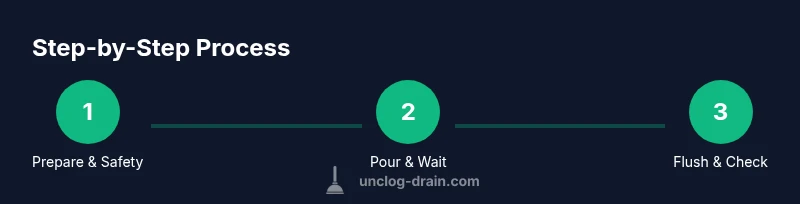
Before applying, gather materials, ventilate, and remove standing water if required by the product. Pour slowly into the drain, keeping face away, and wait the product's recommended contact time (e.g., 15–30 minutes). Following the contact time, flush with plenty of cold or room-temperature water as directed by the product to avoid splashing. Do not mix with other cleaners. Always read the label and adhere strictly to the manufacturer’s instructions to minimize risks.
Alternatives to lye and what to do if the clog persists
If you’re uncertain about chemical cleaners, explore mechanical options first: a plunger for sinks and tubs or a flexible drain snake for stubborn blockages. Enzyme-based cleaners can be gentler but take longer to act. If the clog remains after one treatment or if you notice sewage backing up, stop and call a licensed plumber. Regular maintenance, such as avoiding grease buildup and using drain screens, reduces future clogs.
Aftercare and prevention
After a successful clearance, run hot water for several minutes to clear residues and check for slow drainage periodically. Avoid pouring oils or fats down the drain, and clean traps and pipes during routine maintenance. Consider scheduling a quarterly maintenance check if you experience frequent clogs. Small daily habits add up to fewer emergencies and less reliance on harsh chemicals.
Tools & Materials
- Caustic lye-based drain cleaner (sodium hydroxide)(Choose a product labeled for drains; avoid mixtures not intended for household plumbing.)
- Personal protective equipment (PPE)(Chemical-resistant gloves, safety goggles, long sleeves.)
- Ventilation(Open windows or use a fan; ensure airflow during treatment.)
- Measuring cup or timer(If product calls for a specific amount, use the provided measuring tool; a timer helps track contact time.)
- Plastic or glass mixing container(Only if the product requires mixing outside the drain; avoid metal contact.)
- Old towels or rags(Lay around the sink to catch spills.)
- Plunger or plumber's snake (optional)(Keep on hand for when mechanical methods are appropriate.)
- Bucket of water(For rinsing after treatment; use room-temperature water.)
Steps
Estimated time: 40-60 minutes
- 1
Prepare and protect
Read the product label thoroughly and gather all PPE before starting. Ventilate the area and clear the workspace around the sink. This minimizes exposure and reduces splash risk.
Tip: Set a timer to track contact time and avoid overexposure. - 2
Position and pour
Position yourself away from the drain and slowly pour the recommended amount into the drain opening. Do not mix cleaners on-site; follow the label's guidance exactly.
Tip: Keep face away from the drain to avoid splashes. - 3
Wait for contact time
Allow the lye solution to sit for the advised duration (commonly 15–30 minutes). Do not run water during this period unless the label instructs otherwise.
Tip: Do not multitask with other cleaners or chemicals during this window. - 4
Flush with water
After the contact time, flush the drain with a generous amount of water at room temperature. For PVC plastic pipes, follow the product’s recommended flush method.
Tip: Use a steady stream and ensure all residues are washed away. - 5
Assess and repeat if needed
Check if drainage has improved. If you must retry, wait longer between attempts and strictly follow label limits. Do not exceed the manufacturer’s recommendations.
Tip: If the clog remains, switch to a mechanical method or call a professional. - 6
Clean up and store
Rinse tools, wipe surfaces, and store chemicals safely away from children and pets. Ventilate the area until any fumes dissipate and dispose of any disposable PPE per local guidelines.
Tip: Keep the container tightly closed and clearly labeled for future use.
Common Questions
Is it safe to use lye on PVC and plastic pipes?
Lye can be used on PVC and plastic pipes when the product is labeled for those materials and you follow the directions. Avoid metal pipes and seals that caustic chemicals can damage. If in doubt, test a small area and consider alternatives.
Lye can be used on PVC if the product is labeled for it and you follow the directions. If you’re unsure, try a mechanical method first.
Will lye damage septic systems?
Repeated or improper use of caustic drain cleaners can disrupt beneficial bacteria in septic systems. Use sparingly, follow label directions, and consider non-chemical methods for ongoing maintenance.
Caustic cleaners can affect septic systems if overused. Follow the label and consider alternatives for regular maintenance.
Can I use lye after using a plunger?
If plunger success fails, you can consider lye, but avoid mixing methods simultaneously and always follow the product’s guidelines. Do not combine aggressive plunging with chemical cleaners in short succession.
If plunging doesn’t work, you can try lye following the label, but don’t combine methods at once.
What should I do if the clog recurs quickly?
Recurring clogs often indicate a deeper issue like grease buildup, mineral deposits, or a blockage in the main line. Reassess with mechanical tools first, and consult a plumber if the issue persists.
If clogs keep coming back, there might be a bigger problem; consider mechanical help or a pro.
Are there safer alternatives to lye?
Yes. Enzyme-based cleaners, mechanical tools (plunger, auger), and preventative maintenance are safer options for regular use. Save lye for stubborn clogs and use minimal exposure.
There are safer options like enzyme cleaners or a plumber’s snake for regular use; reserve lye for tough cases.
Watch Video
Key Points
- Understand how lye works and when to use it
- Always follow the product label precisely
- Prioritize safety and ventilation
- Consider mechanical alternatives or professional help if needed
- Prevent future clogs with proper maintenance