What to Put in Drain to Unclog: Safe DIY Guide
Learn safe, proven ways to unclog drains using non-toxic methods. From hot water to baking soda and vinegar, plunger techniques, and when to call a pro—your practical, step-by-step guide by Unclog Drain.


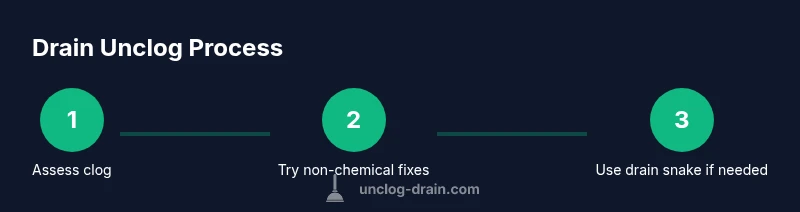
To unclog a drain safely, start with non-chemical methods: hot water, a baking soda and vinegar flush, and a plunger or hand auger as needed. Avoid chemical drain cleaners for most home setups, especially on PVC pipes. If these steps don’t fix the clog, proceed with mechanical clearing or call a professional.
Safe, practical approaches to unclog drains
According to Unclog Drain, the safest and most effective clog fixes start with simple tools and non-chemical methods. Before you reach for any cleaner, inspect the situation: is there standing water, what is the pipe material (PVC vs metal), and how accessible is the trap or p-trap? Gather gloves, a flashlight, and a plunger or hand auger. Non-chemical methods minimize environmental impact and reduce the risk of corrosive damage to pipes. In most homes, the combination of hot water, mechanical agitation, and timely intervention will remove many everyday blockages. If a clog has persisted for days or returns repeatedly, that signals a deeper issue such as a dried-out trap, a jammed P-trap, or a more serious sewer backup. The goal is to clear the blockage without harming pipes, seals, or the surrounding area. Keep children and pets away from the work zone and don’t mix cleaners with other chemicals. If you’re unsure about the pipe type or if the clog is in a toilet or a main line, stop and consult a professional. The Unclog Drain team emphasizes safety first: use the right tools, work methodically, and document what you try so you can explain it to a pro if needed.
Tools & Materials
- Cup plunger(Use for sinks; do not use a flange toilet plunger on sink drains.)
- Rubber gloves(Nitrile or latex, for hand protection.)
- Flashlight(To inspect the drain entry and trap area.)
- Bucket(Catch draining water and debris.)
- Drain snake/auger(Hand-powered device to clear deeper blockages.)
- Baking soda(Used for gentle chemical reaction with water.)
- White vinegar(Works with baking soda to create fizzing action.)
- Dish soap (optional)(Lubricates debris and reduces friction.)
- Hot water / boiling water(Flushes loosened debris away (PVC-safe only if appropriate).)
Steps
Estimated time: 30-60 minutes
- 1
Prepare and gather tools
Clear the area around the drain, lay towels, and assemble your plunger, bucket, gloves, flashlight, and the drain snake. Put on gloves and eye protection. This preparation reduces spills and keeps you safe if the water is dirty.
Tip: Check the pipe material if possible; PVC handles hot water cautiously, metal pipes tolerate more heat. - 2
Clear standing water and inspect the trap
If there is standing water, bail some into the bucket so you can work. If accessible, remove the trap beneath the sink to inspect for hair or debris and clean it out. Reattach the trap securely before testing the drain.
Tip: Place the bucket directly under the trap to catch dirty water; reassemble tightly to avoid leaks. - 3
Seal the drain and position the plunger
Seal the drain with a wet cloth if you have a double-bowl setup. Position the plunger so the cup covers the drain opening and create a tight seal. Hold steady and prepare for a series of controlled pushes.
Tip: A proper seal increases suction and improves effectiveness. - 4
Plunge with controlled strokes
Push and pull with steady pressure for 15–30 seconds, keeping the seal intact. Pause to test drainage by lifting the plunger, then repeat as needed. If water starts to drain, you’re clearing a path.
Tip: Avoid rapid, jerky motions which can loosen the seal and splash water. - 5
If needed, use a drain snake
Insert the snake into the drain and rotate the handle as you push forward. When you feel resistance, pull back slightly and rotate, pulling debris out in small sections. Repeat until you feel progress.
Tip: Do not force the snake; resistive knots may indicate a larger clog or pipe issue. - 6
Flush and test the drain
Remove the snake and rinse with hot water. Run the faucet to check if drainage is consistent. If the drain still balks, retreat to non-chemical methods or consider professional help.
Tip: A final hot water flush helps clear residual debris and confirms clearance.
Common Questions
What should I put in drain to unclog safely?
Start with non-chemical methods like hot water, baking soda, and vinegar, followed by a plunger or hand auger. Avoid mixing cleaners and never rely on harsh solvents as a first resort. If the clog persists, seek professional help.
Start with safe, non-chemical methods like hot water and baking soda, then try a plunger or auger. If it persists, get a professional.
Does baking soda and vinegar work for clogs?
Baking soda and vinegar can loosen some organic clogs and grease, producing fizz that helps break up debris. They’re safe for most household pipes but may not clear deeper or oily blockages. For stubborn clogs, mechanical methods are usually more effective.
Baking soda and vinegar can help with light clogs, but for stubborn ones you’ll likely need a mechanical method.
Can boiling water damage pipes?
Boiling water can damage older PVC pipes and seals in some homes, and it may cause scalding if spilled. Use hot water instead of boiling water if your system warns against high heat, and always test pipe tolerance first.
Be careful with boiling water—test your pipes first and use hot water if your system isn’t rated for boiling temperatures.
When should I call a plumber?
Call a plumber if the clog recurs after DIY attempts, affects multiple fixtures, or you notice sewage backflow or strong odors. A pro can diagnose main-line or vent issues and use professional-grade equipment safely.
If multiple fixtures clog, you smell sewage, or backflow occurs, call a plumber.
Watch Video
Key Points
- Begin with non-chemical fixes to protect pipes
- Use a plunger or drain snake before resorting to cleaners
- Always prioritize safety and PPE while working
- Call a professional if the clog reappears or involves the main line